10 Fun Drills to Keep Youth Baseball Players Engaged
The Power of Fun Baseball Drills in Youth Practice
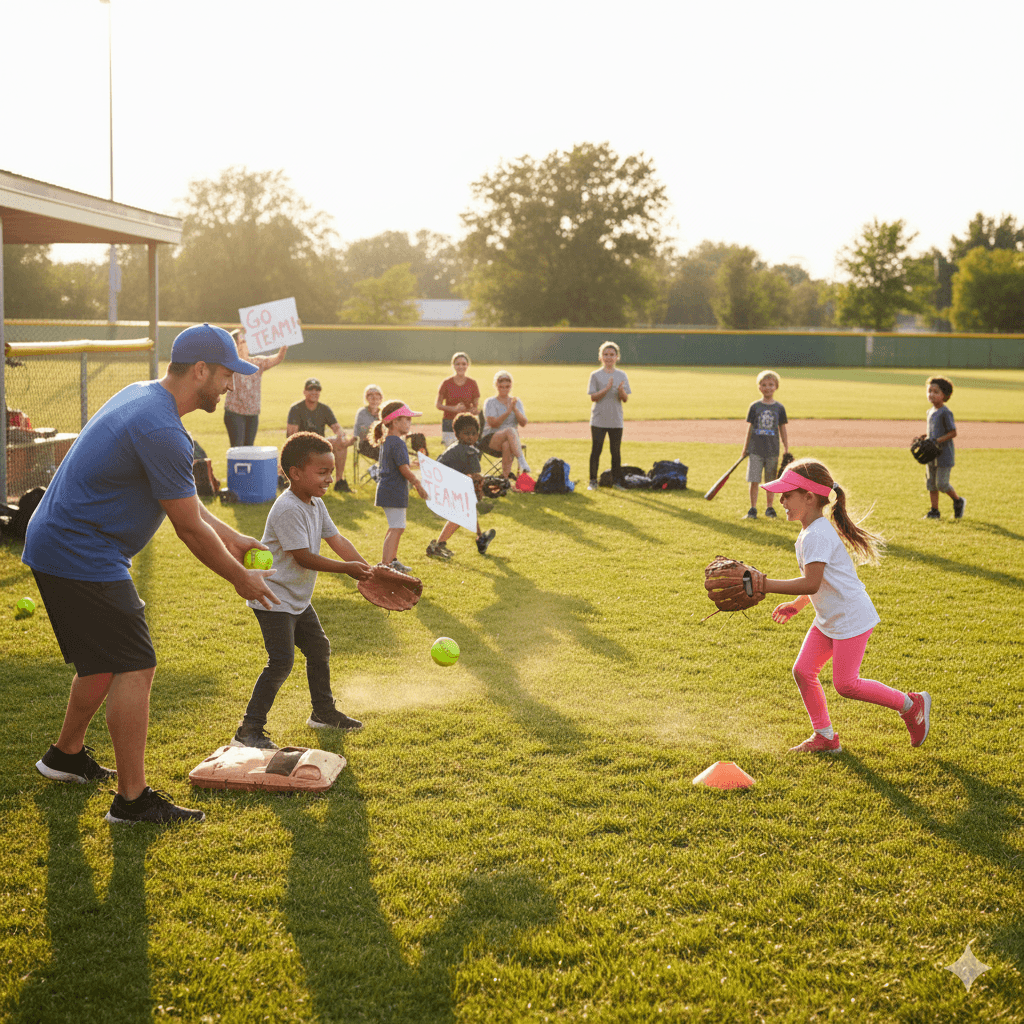
When coaching youth baseball, the key to player development isn't always perfect mechanics or complicated drills. It comes down to engagement through fun baseball drills for youth players. Young players thrive when they're having fun, and their love for the game grows when practices feel playful instead of like hard work.
According to the Little League Foundation, 70% of kids quit youth baseball by age 13, with "lack of fun" being the number one reason. Additional research from the Aspen Institute's Project Play confirms that children cite "it's not fun anymore" as the primary reason for quitting organized sports. That's why we've compiled these 10 proven fun youth baseball drills that combine skill development with genuine excitement, perfect for ages 6-13 from tee-ball through little league.
Research shows that players who enjoy their practice sessions are more likely to:
- Stay focused and attentive
- Retain what they learn
- Develop a lasting love for the game
- Continue playing baseball long-term
- Build confidence in their abilities
Build Your Custom Practice Plan
Try our interactive Practice Planner, explore 270+ drills, build a fully customized practice plan for your team's needs, and print or email your plan with a click!

The challenge for coaches is finding the sweet spot between fun and fundamental skill development. The drills below are specifically designed to achieve both objectives, keeping players excited while building essential baseball skills.
Easy Way to Add Fun and Excitement to Your Practice
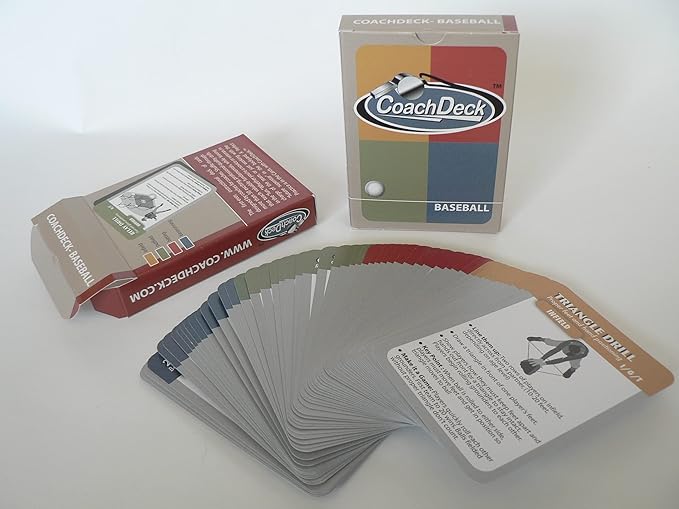
Before jumping into our top 10 fun drills for youth baseball and softball, we like to make things easy for you. One easy way to make a practice more engaging and fun is to try using a CoachDeck Baseball Drills card set to create "mystery practices" that kids absolutely love! This deck contains 52 baseball/softball drills designed specifically for youth coaches, with each card color-coded by skill area (Infield, Outfield, Hitting, or Baserunning). It's amazing how much more engaged kids become when they feel like they have some control over their practice experience. Let players who hustle or show good sportsmanship pick the next drill. Even if you don't decide to make the drills as a mystery, these cards will serve as a unique library of fun drills for you to pull from when creating your practices.
10 Fun Baseball Drills for Youth Players (Ages 6-13)
1. Base Running Relay Race
This high-energy drill gets players moving and competing while teaching proper base-running technique. Split the team into two groups with one team starting at home plate and the other at second base, then have players race around the bases in relay format. The focus should be on proper bag touches, efficient turns, and maintaining speed throughout the circuit. It's an excellent warm-up drill that combines cardiovascular conditioning with fundamental baserunning skills, making it perfect for getting kids energized at the start of practice.
Learn More about the Base Running Relay Race Drill →
2. Groundball Competition
The Groundball Competition transforms routine fielding practice into an exciting team challenge using balls, gloves, and bases for about 15 minutes of intense action. Divide players into equal teams and set up multiple fielding stations where coaches hit or roll ground balls to each group. Teams compete to see who can field the most ground balls cleanly within the time limit, with points awarded for clean picks and accurate throws to first base. Keep a visible scoreboard and celebrate great defensive plays with enthusiasm, as the competitive element motivates players to focus on proper fielding fundamentals like getting in front of the ball, using two hands, and making strong throws while maintaining the high energy that keeps young players engaged.
Learn More about the Groundball Competition Drill →
3. Homerun Derby
Who doesn't love a good homerun derby. There's so much emphasis on hitting line drives in youth baseball that sometimes we forget a homerun is the most valuable outcome for a hitter. Homerun Derby is the classic hitting competition that every young player dreams about. Each player gets a predetermined number of swings (usually 5-10) to hit as many home runs as possible, with coaches pitching or using a tee depending on skill level. If players are not powerful enough to hit it over the fence, you can make a make-shift fence or use the outfield grass. Another variation is seeing who can hit the furthest.
The competitive format builds power hitting skills and confidence at the plate, while teammates cheer and count each blast that clears the fence or designated boundary. This drill teaches players to swing with authority and follow through completely, and the tournament-style bracket system keeps everyone engaged even when they're not batting, making it an absolute favorite that kids will beg to play again and again.
Learn More about the Homerun Derby Drill →
4. Belly Up
There's something about getting dirty and rolling in the grass that kids just love. The Belly Up drill is a fun and effective fielding exercise that requires only gloves and balls for about 10 minutes of laughter-filled learning. Players start by lying flat on their backs in the "belly up" position, and when the coach rolls or hits a ground ball, they must quickly scramble to their feet and field it cleanly. This unique starting position forces players to develop lightning-fast reaction time and proper fielding fundamentals under pressure. Kids absolutely love the challenge of getting up from their backs and successfully fielding the ball, while coaches appreciate how this drill naturally teaches players to stay low, get their gloves down, and react quickly to unexpected situations that often occur during games.
Learn More about the Belly Up Drill →
5. Beat the Ball
Beat the Ball is an exciting competition drill that creates instant excitement. One player races around the bases as fast as possible while the fielding team attempts to throw the ball around the horn (home to first, first to second, second to third, and third back to home) before the runner completes the circuit. The drill naturally builds throwing accuracy under pressure and teaches baserunners to run through the bag and take efficient turns. Everyone gets involved as teammates cheer for both the runner and the fielders, creating an electric atmosphere that makes this drill a practice favorite. The competitive element teaches players to perform fundamental skills quickly and accurately when it matters most, just like in real game situations.
Learn More about the Beat the Ball Drill →
6. 21 Outs Game
The 21 Outs Game is a defensive challenge that tests a team's focus, communication, and consistency. The objective is simple but demanding: record 21 consecutive clean defensive outs without making any errors. This game may be better suited for ages 10 and up, or possibly younger for really strong defensive teams.
Put out a full defensive lineup with infield and outfield positions, and have the coach or fungo hitter put balls in play to different positions. Each clean play counts as one out, but any error or missed assignment resets the count back to zero, creating high-pressure situations that simulate real-game defense. This drill builds team accountability and teaches players to maintain focus every single pitch, while optional baserunners and pitchers can be added to create even more realistic game scenarios. The challenge aspect keeps players engaged as they work together toward the common goal of reaching 21 consecutive outs, making it perfect for building defensive fundamentals under pressure.
Learn More about the 21 Outs Game Drill →
7. The Grass Game
The Grass Game is a competitive hitting elimination drill that gets the competition going. Players line up for their turn at bat, and each gets exactly one swing to hit the ball into the grass (fair territory) or they're immediately eliminated from the game. The coach pitches to each player, and the pressure builds as the field narrows down to fewer and fewer survivors. This drill emphasizes making solid contact over power hitting, teaching young players the importance of putting the ball in play rather than swinging for the fences, while the elimination format keeps everyone engaged and cheering for their teammates. Reward the winner with a candy bar or the opportunity to lead stretches next practice!
Learn More about the Grass Game Drill →
8. Zombies and Survivors
Zombies and Survivors is similar to The Grass Game and may be a better variation to younger kids who have less developed swings and power. Instead of baseballs, use wiffle balls. Create a hitting order and cycle through with 1 or 2 swings each. The players must hit line drives past the coach to stay alive, but those who fail to make solid contact become "zombies" and head to the field. The brilliant twist is that zombie players can earn their way back to hitting by catching fly balls hit by the remaining survivors. This drill teaches the importance of hitting line drives while keeping eliminated players engaged in the action, and the zombie theme adds an element of excitement that makes kids absolutely love this game year-round, not just during October.
Learn More about the Zombies and Survivors Drill →
9. 3-Man Relay
The 3-Man Relay is a fast-paced drill that develops lightning-quick transfers and promotes competition between teammates. Three players line up about 30 feet apart (can extend distance or shorten based on ability), and the ball moves rapidly from player 1 to player 2 to player 3 and back, emphasizing quick catches, clean transfers, and accurate throws. Choose a number of times to get the ball there and back and first to finish wins. Players love the speed and rhythm that develops as they get into a groove, and coaches appreciate how this drill naturally teaches the quick release techniques that are crucial for turning double plays and making relay throws from the outfield during games.
Learn More about the 3-Man Relay Drill →
10. Just Play a Game
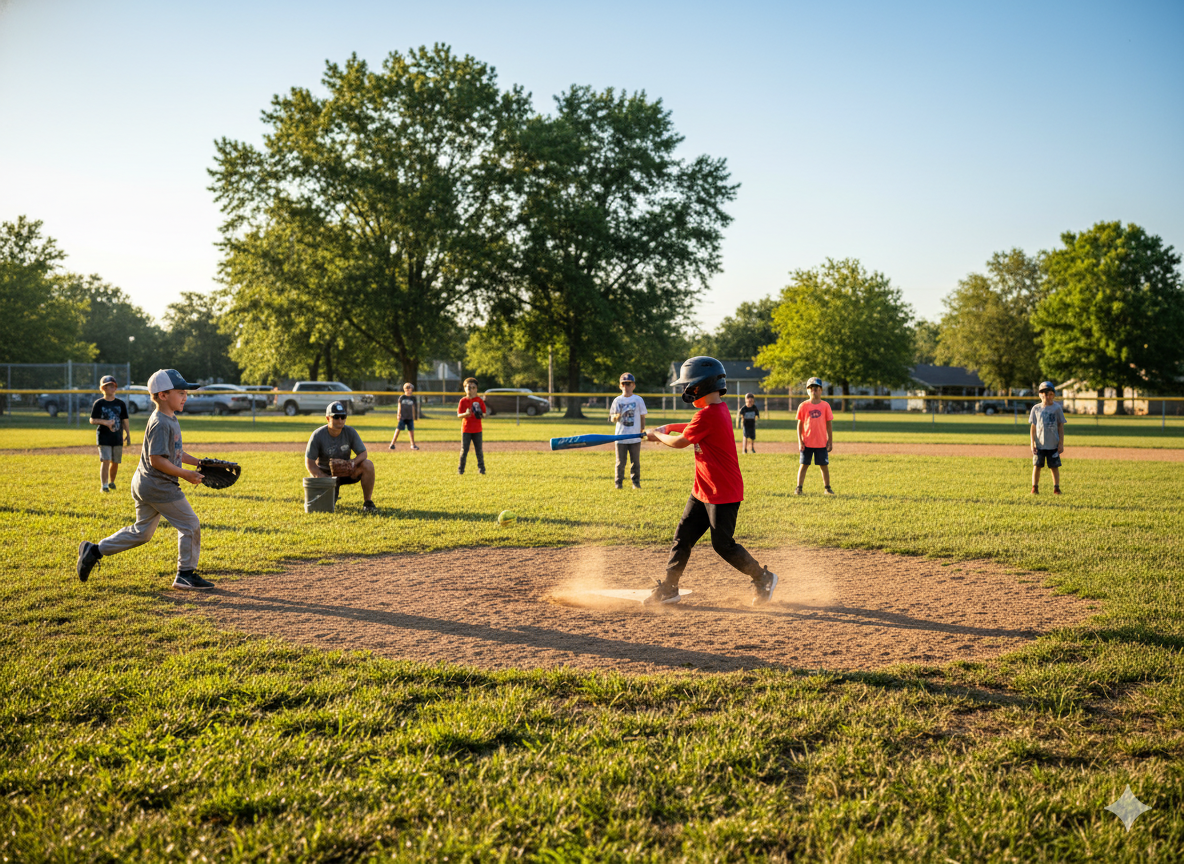
Sometimes the best drill is no drill at all. Kids are there to play baseball, so let them play baseball! Set up a scrimmage with modified rules if needed - maybe shorter innings, everyone bats each inning, or coaches pitch to keep the action moving. This approach gives players the invaluable opportunity to apply all their practiced skills in real game situations while experiencing the joy and unpredictability that makes baseball magical.
Kids naturally learn situational awareness, develop baseball instincts, and build confidence when they're not worried about perfect technique. Remember that most young players fell in love with baseball by playing games in the backyard or at the park, not by running repetitive drills, so ending practice with a scrimmage often leaves players excited and eager to return for the next practice.
Making Practice Fun: Key Principles
To maximize engagement in any baseball drill:
Keep Groups Small
- Less waiting time
- More repetitions
- Better focus from each player
Add Competition
- Team vs. team formats
- Individual point systems
- Time-based challenges
Celebrate Success
- Immediate positive feedback
- Team celebrations
- Recognition of improvement
Use Visual Targets
- Cones, hoops, or chalk marks
- Colorful targets
- Clear success indicators
Maintain Fast Pace
- Quick transitions between activities
- Multiple stations
- Limited downtime
How to Modify Drills by Age Group
The beauty of these fun baseball drills is their adaptability. Here's how to scale each drill for different age groups:
Ages 5-7 (Tee-Ball / Coach Pitch)
- Shorter distances: Use half the normal throwing/running distances
- Softer balls: Incorporate tennis balls, foam balls, or safety baseballs
- Simpler rules: Focus on one objective per drill
- More movement: Keep transitions quick; attention spans are 5-7 minutes
- Constant encouragement: Celebrate every attempt, not just success
Best drills for this age: Base Running Relay Race, Belly Up, Beat the Ball, The Grass Game
Ages 8-10 (Minors / Machine Pitch)
- Add competition: Introduce scorekeeping and team challenges
- Standard distances: Use regulation base paths and throwing distances
- Multiple objectives: Combine skills (field + throw accuracy)
- Light consequences: Losers do push-ups or run a lap (keep it playful)
- Skill feedback: Offer specific corrections, not just encouragement
Best drills for this age: Groundball Competition, Homerun Derby, 3-Man Relay, Zombies and Survivors
Ages 11-13 (Majors / Kid Pitch)
- Game pressure: Add time limits and high-pressure scenarios
- Advanced rules: Incorporate full baseball rules and strategy
- Performance tracking: Keep statistics and personal bests
- Friendly trash talk: Allow (appropriate) competitive banter
- Strategic thinking: Discuss why drills matter in game situations
Best drills for this age: 21 Outs Game, Homerun Derby (with tournament brackets), 3-Man Relay (timed), situational scrimmages
Coach's Tip: When introducing a new drill to any age group, demonstrate first with your most skilled players, then let everyone try at their own pace. Don't force perfection, let the game teach through repetition.
Creating a Fun Practice Culture
Fun drills are just one piece of building an engaging practice environment. Here's how to create a culture where players love coming to practice:
1. Start and End with Energy
Opening: Begin every practice with a high-energy drill (Base Running Relay Race is perfect). This sets the tone and gets players excited immediately. Closing: Always end with something fun, even if it's just 5 minutes of a scrimmage or a silly competition. Kids will remember how practice ended.
2. Use Player Names Constantly
Instead of "Hey, you!" or "Next batter!", use names. "Great catch, Marcus!" "Nice swing, Sophia!" Kids respond better when they feel seen as individuals.
3. Let Players Have Input
Once a week, let a different player choose one drill from your Practice Planner library. This gives them ownership and shows you value their preferences.
4. Music During Warm-Ups
Play upbeat music during stretching and warm-ups (check with your league first). It creates a relaxed, fun atmosphere before the focused work begins.
5. Create Team Traditions
Establish fun rituals: special handshakes, team chants, silly awards for practice MVPs. These build camaraderie and make practice memorable.
6. Limit Standing Around
This is critical. If kids are waiting more than 3 minutes between reps, your drill design needs work. Use multiple stations and smaller groups to maximize activity.
Practice Planner: Your Secret Weapon
Want to plan engaging practices in minutes instead of hours? Our Practice Planner gives you:
- 270+ fun drills with video demonstrations
- Age-specific templates for every skill level
- Customizable practice plans you can print or email
- Time management tools to keep practices flowing
- Station assignments for coaches and helpers
Troubleshooting Common Drill Problems
Even the best drills can go wrong. Here's how to fix common issues:
Problem: Players Aren't Engaged
Symptoms: Talking, distracted, low energy Fixes:
- Add competition or scoring
- Reduce explanation time, increase action
- Make teams smaller so everyone participates more
- Let them choose the next drill
Problem: Drill Is Too Hard
Symptoms: Frequent failures, frustration, players giving up Fixes:
- Reduce distance/speed/complexity
- Pair struggling players with skilled mentors
- Celebrate small wins ("Nice try!" matters)
- Switch to an easier drill and come back later
Problem: Drill Is Too Easy
Symptoms: Boredom, players succeeding every time, asking "what's next?" Fixes:
- Add pressure: time limits, defenders, smaller targets
- Increase distance/speed/complexity
- Turn it into a competition
- Move to the next progression
Problem: Drill Takes Too Long
Symptoms: Losing daylight, running late, skipping important skills Fixes:
- Set visible timer and stick to it
- Run multiple stations simultaneously
- Simplify the drill rules
- Save complex drills for longer practices
Problem: Players Don't Understand
Symptoms: Confused looks, asking repeated questions, doing it wrong Fixes:
- Demonstrate don't just explain
- Use your best players to model it
- Start with a simplified version
- Check for understanding before starting timer
Frequently Asked Questions
How many fun drills should I include in each practice?
For ages 5-8, structure the entire practice around 3-4 fun, game-like drills since traditional repetitive drills often lose their attention. For ages 9-10, balance 2 fun drills with 2-3 fundamental drills. For ages 11-12, you can do more traditional work but include at least 1-2 fun drills and always end with something engaging like a scrimmage.
Can drills be too fun and hurt skill development?
No, if designed correctly. The drills listed above all build genuine skills, they just do it through competition and games instead of repetition. The key is that fun drills must have a clear skill objective. "Just play" without purpose is different from "game-like drills" with specific learning goals.
What if some players take drills too seriously and others goof off?
This is a normal dynamic. Set clear expectations: "We can have fun AND work hard at the same time." Pull aside the too-serious players and remind them it's okay to smile. Pull aside the goofing-off players and ask if they need a more challenging version of the drill. Usually finding the right difficulty level solves this.
Should I let the same kids win every competition drill?
Short answer: sometimes yes, sometimes no. It's okay for skilled players to win often, it rewards their hard work. But also create drills where different skills matter: footspeed, accuracy, strategy, hustle. This lets different players shine. You can also occasionally use handicaps (better players throw from further back, etc.) to level the playing field.
How do I handle players who don't want to participate in certain drills?
First, ask why. Fear? Confusion? Boredom? Address the root cause. For fearful players, let them observe first then try when ready. For bored players, add a challenge. For confused players, simplify and demonstrate. If a player still refuses, have them sit out that drill but participate in the next one, sometimes kids need mental breaks.
Can I use these drills during actual games?
Some, yes! Base Running Relay Race makes a great pre-game warm-up. Homerun Derby can be part of batting practice before the first pitch. Beat the Ball is excellent between innings when you have extra time. Just adapt them to your game-day time constraints.
How do I keep drills fresh throughout a long season?
Rotate through different drills each week using your Practice Planner. Introduce new variations of familiar drills. Let players suggest modifications. Bring in guest coaches who teach their favorite drills. The key is avoiding the exact same practice plan week after week, kids crave variety.
What equipment do I need for these fun drills?
Most require just the basics: baseballs, gloves, bases, bats. A few benefit from cones for boundaries and whiffle balls for safer indoor/close-quarters work. The beauty of these drills is they don't require expensive equipment, just creativity and energy from the coach.
Transform Your Youth Baseball Practice with Fun Drills
The most successful youth baseball practices blend skill development with genuine fun. These 10 fun baseball drills for youth players demonstrate that you don't have to choose between player engagement and fundamental improvement, you can achieve both simultaneously.
Key Takeaways for Coaches:
- Fun baseball drills keep players engaged and reduce dropout rates by up to 70%
- Competition and games naturally teach fundamental skills through active learning
- Video demonstrations help coaches implement drills correctly the first time
- Age-appropriate modifications ensure success for all skill levels (5-13 years old)
- Regular practice with engaging drills builds lasting love for baseball and higher retention
- Creating a fun practice culture goes beyond individual drills, it's about energy, encouragement, and player involvement
Remember that every player and team is different. Feel free to modify these youth baseball drills to match your team's age, skill level, and personalities. The key is maintaining an atmosphere where players are excited to learn and improve, where mistakes are celebrated as learning opportunities, and where every practice ends with kids asking "when's the next one?"
By incorporating these fun youth baseball drills into your practice plans, you'll create an environment where players look forward to practice, develop their skills naturally, and build lasting positive associations with baseball. More importantly, you'll be giving kids the gift of loving the game, something they'll carry with them for life.
Your Next Steps
Ready to plan your next engaging practice? Here's what to do:
- Try the Practice Planner: Build complete practice plans in minutes with 270+ drills
- Download the Drill Library: Browse our complete collection of baseball drills with videos
- Start with 3 Drills: Pick three from this article to try at your next practice
- Create Your Lineup: Use the Lineup Generator to assign positions that complement drill work
- Share This Guide: Send it to assistant coaches and parent helpers so everyone knows the plan
Related Resources
Continue building your coaching toolkit:
- Complete Guide to Running Youth Baseball Practice
- Mastering Softball Lineup Creation
- Batting Order Strategy for Youth Teams
Want to create complete practice plans using these and other engaging drills? Try our Practice Planner Tool to build customized practice sessions for your team with over 270+ drills to choose from.
Tags
Ready to Generate Your Perfect Lineup?
Try our free softball and baseball lineup generator to create balanced, fair lineups in minutes.
Try Free Lineup Generator