Mastering Softball Lineup Creation: Strategies for Winning Teams
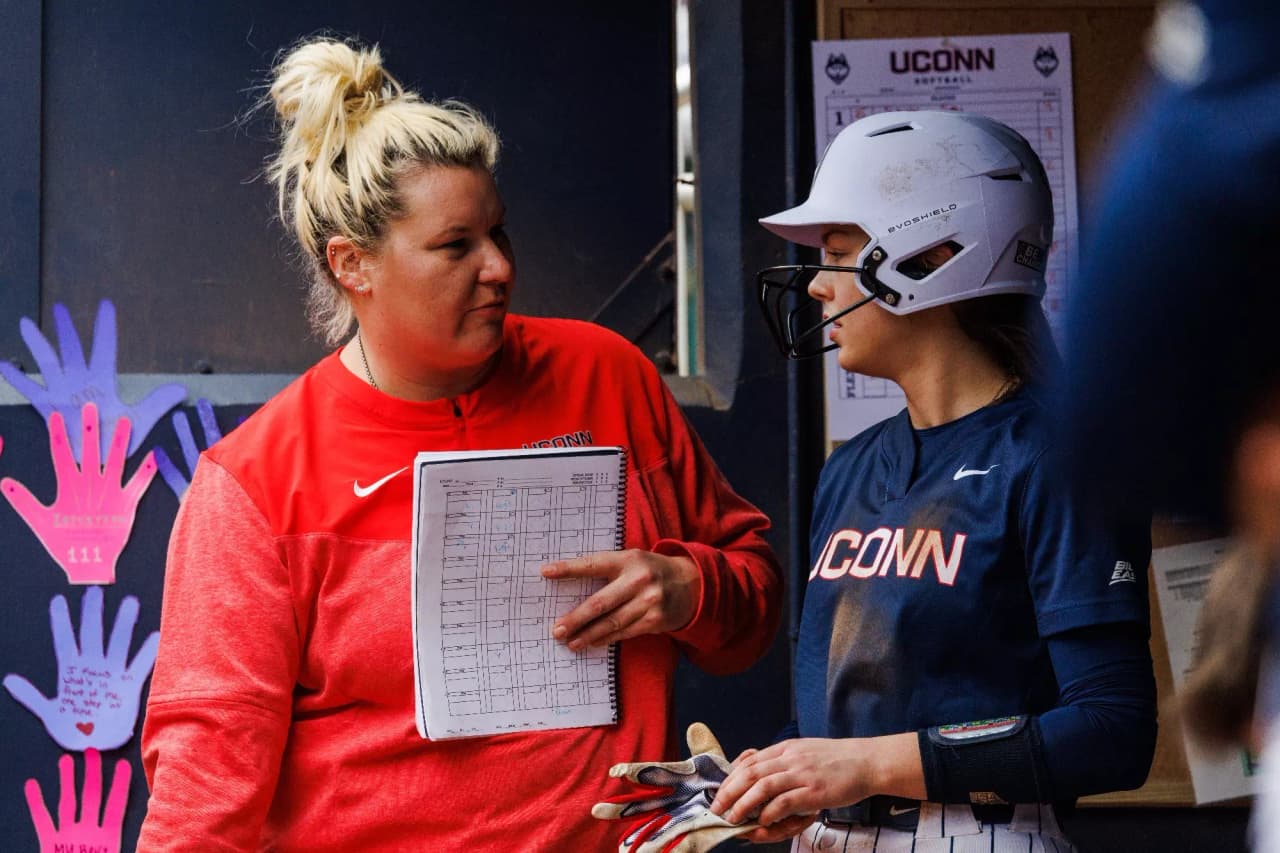
So you've been handed the clipboard and now you're responsible for creating your team's softball lineup. Whether you're a first-time coach or a seasoned veteran, crafting the perfect softball lineup is both an art and a science. Your lineup decisions can make the difference between a frustrating loss and a satisfying win. But beyond the W's and L's, a thoughtfully crafted lineup keeps players engaged, ensures fair playing time, and helps everyone develop their skills.
According to USA Softball, one of the most common challenges new coaches face is balancing competitive strategy with player development and equal opportunities. This comprehensive guide will walk you through everything you need to know about creating effective softball lineups that work for your team.
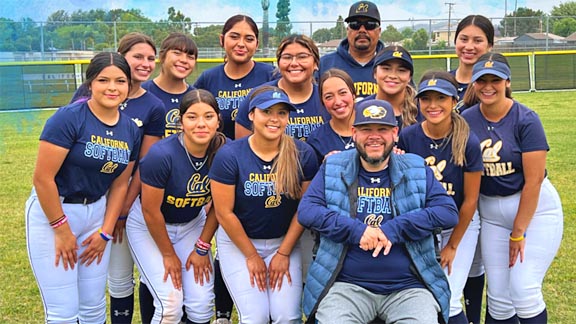
The Challenge of Creating Balanced Lineups
If you've coached softball at any level, from youth leagues to adult recreational play, you know the challenges:
- How do you balance competitive play with fair playing time?
- Where should you place your strongest and weakest hitters in the batting order?
- How do you handle position assignments when some players can only play certain positions?
- For co-ed leagues, how do you meet gender ratio requirements while optimizing your lineup?
These questions become even more complex when you factor in player preferences, development goals, and the need to keep everyone happy and engaged. Let's break down the key components of an effective softball lineup to help you navigate these challenges.

Key Components of an Effective Softball Lineup
Batting Order Strategy
Your batting order is crucial for maximizing run production. Here's a proven framework to consider:
Leadoff (1st): Speed and high on-base percentage are key attributes. This player sets the tone for your offense and should be able to work counts, draw walks, and utilize their speed on the basepaths.
2nd Position: Good contact hitter who can advance runners. Look for someone who can hit behind runners and has the discipline to take pitches when needed.
3rd Position: Your best all-around hitter who combines average and power. This player should be reliable in producing quality at-bats and driving in runs.
Cleanup (4th): Your power hitter who can drive the ball to the gaps or over the fence. This is where you want your strongest hitter who can clear the bases.
5th Position: Another strong hitter to drive in remaining runners. This acts as insurance if your cleanup hitter doesn't get the job done.
6th-9th Positions: Decreasing order of hitting ability, though the 9th spot can sometimes be a "second leadoff" position with a speedy player who can turn the lineup over.

Coach's Tip: For recreational and youth leagues where development and fun are priorities, consider rotating your batting order throughout the season to give everyone experience in different situations.
Defensive Position Assignments
Position assignments should balance player skills, development opportunities, and fair rotation. Here's how to approach each position:
Pitcher: Requires control, consistency, and mental toughness. Your pitcher is the defensive anchor of your team.
Catcher: Needs quick reflexes, a strong arm, and good communication skills. This player should be a vocal leader on the field.
First Base: Look for someone with good catching skills and the ability to stretch for throws. Height can be an advantage here.
Second Base: Requires quick hands and feet, with the ability to turn double plays and cover ground.
Shortstop: Your most athletic infielder with range, arm strength, and quick reactions. This is often your defensive captain.
Third Base: The "hot corner" needs quick reflexes and a strong arm to make the long throw across the diamond.
Outfield Positions: Distribute speed and arm strength appropriately, with your fastest player typically in center field to cover the most ground.

Some positions (pitcher, catcher, first base, shortstop) typically require more experience or specific skills. However, giving players experience at multiple positions develops their versatility and understanding of the game.
Equal Playing Time Considerations
Nothing kills team morale faster than unequal playing time. Even in competitive situations, finding ways to give all players meaningful field time is essential:
- Track innings played for each player throughout the season
- Develop a rotation system that ensures no player sits for consecutive innings
- Create "developmental innings" where your focus is on player growth over competitive advantage
Equal Playing Time Tracking Tool
Our free lineup generator automatically tracks playing time to ensure fairness across your roster. No more spreadsheets or manual calculations!
- See who's played where and for how long
- Balance competitive needs with development goals
- Keep parents and players happy with transparent rotation
Special Considerations for Different Leagues
Youth Softball
In youth softball, development and fun should be your primary focus:
- Ensure absolutely equal playing time
- Rotate players through all positions (even if it occasionally costs you defensively)
- Keep batting orders balanced so the same players aren't always at the bottom

Co-Ed Adult Softball
Co-ed leagues bring their own unique challenges:
- Most leagues have specific male/female ratio requirements
- Some leagues alternate male/female batters or have specific rules about consecutive male batters
- Position requirements may stipulate certain positions must be played by women
- Different leagues have different rules about outfield positioning when women are batting
Balancing these requirements while still fielding a competitive team requires careful planning and organization.

Using Technology to Simplify Lineup Creation
Creating optimal lineups by hand is time-consuming and prone to errors. That's why many coaches are turning to technology for help. Manual lineup creation often involves spreadsheets, scratch paper, and hours of calculations to ensure fairness, time that could be better spent on actual coaching and player development.
Our free softball lineup generator automates this process, creating balanced lineups that:
- Ensure equal playing time across all players
- Respect position preferences and restrictions
- Meet co-ed requirements automatically
- Optimize batting orders based on your priorities
- Track innings played by position for season-long balance
- Generate printable lineup cards instantly
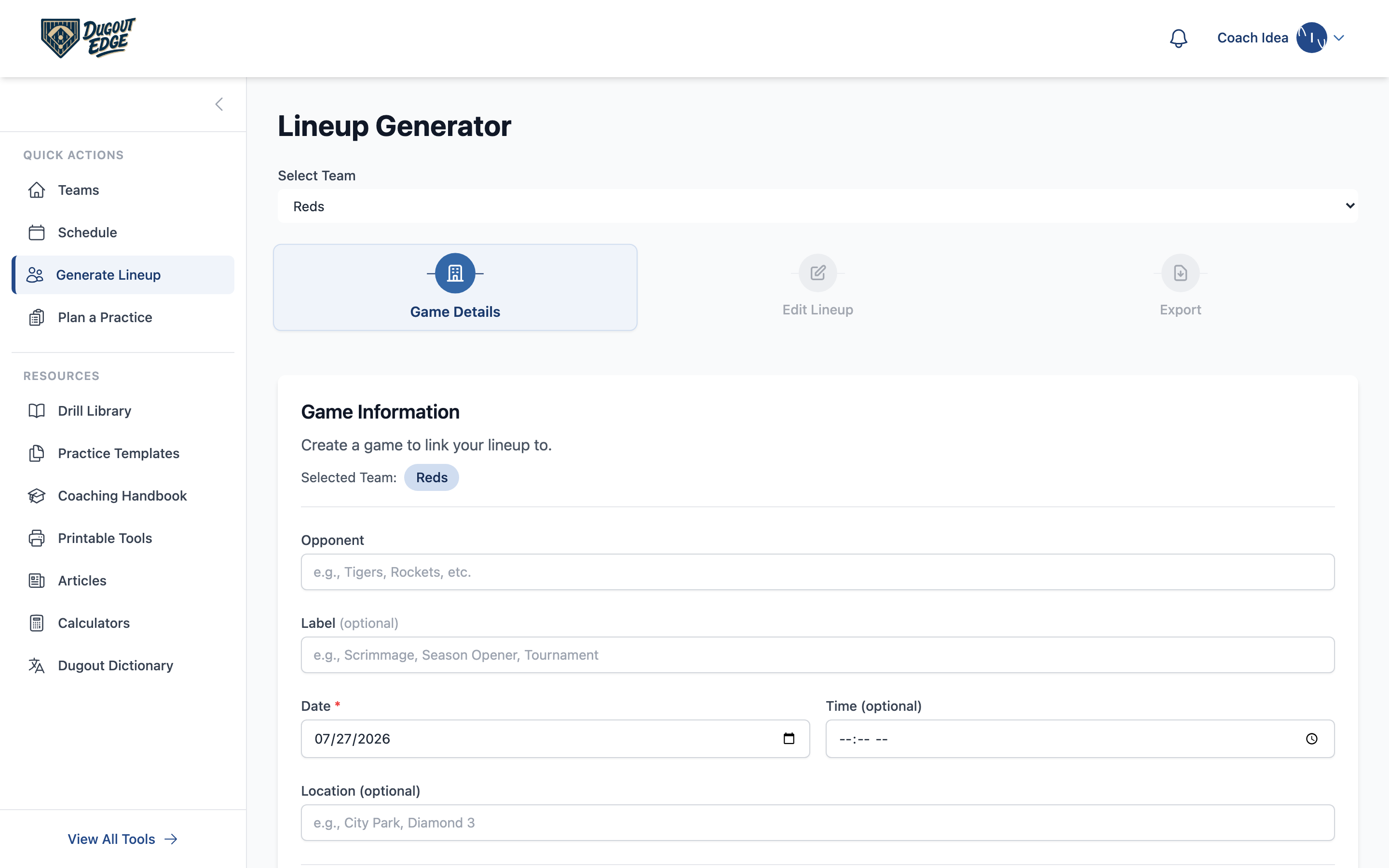
With our generator, you can create perfectly balanced lineups in minutes rather than hours, giving you more time to focus on coaching and player development. The tool also helps you plan ahead for the entire season, ensuring no player gets overlooked or overused in any particular position.
Best Practices for Season-Long Lineup Management
Beyond game-day lineups, consider these best practices for managing your approach throughout the season:
- Communicate your philosophy: Make sure players and parents understand your approach to lineups
- Document everything: Keep records of innings played, positions assigned, and batting order rotations
- Gather player feedback: Periodically check with players about their position preferences and experiences
- Adjust based on development: As players improve, update your position assignments to reflect their growth
The Psychological Impact of Your Lineup Decisions
Never underestimate how your lineup decisions affect team morale and individual player confidence:
- Players who always bat last may develop negative self-perceptions
- Those who rarely play infield may feel less valued
- Players who sit multiple innings might disengage
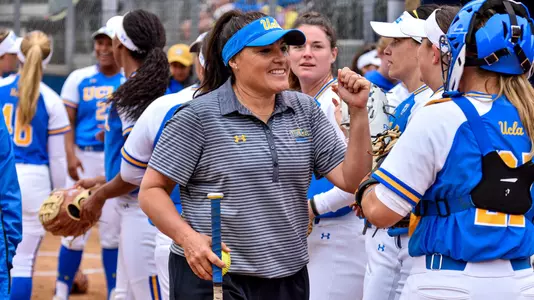
By creating thoughtful, balanced lineups, you're not just optimizing your team's performance, you're creating a positive environment where everyone feels valued and motivated to improve.
Coach's Tip: Make sure to communicate your lineup philosophy to both players and parents at the beginning of the season. Transparency about how you make decisions helps everyone understand the "why" behind your choices.
Common Lineup Creation Mistakes to Avoid
Even experienced coaches can fall into these common traps when creating softball lineups:
1. Always Batting Strong Hitters First
While it's tempting to load the top of your order with your best hitters, this can create problems. Your 7-9 hitters may lose confidence and motivation, and you'll have predictable patterns that opposing coaches can exploit.
Better approach: Rotate batting positions throughout the season so all players experience different parts of the order.
2. Never Moving Players from "Their" Position
Players can become too comfortable and stop developing if they always play the same spot. Plus, you limit your strategic options when players can only handle one position.
Better approach: Cross-train players at multiple positions during practice, then give them game experience at their secondary positions in lower-pressure situations.
3. Making Last-Minute Lineup Changes
Constantly changing lineups right before games creates confusion and anxiety. Players don't know what to expect or how to prepare mentally.
Better approach: Share lineups at least 24 hours in advance when possible, giving players time to mentally prepare for their roles.
4. Ignoring Player Preferences Completely
While you can't always accommodate every request, completely disregarding what positions players want to try can hurt motivation and enthusiasm.
Better approach: Have one-on-one conversations with players about their interests, then work those preferences into your rotation when appropriate.
5. Failing to Track Playing Time
Without tracking systems, you may accidentally give certain players more or less playing time than you intend, creating fairness issues.
Better approach: Use our lineup generator to automatically track and balance playing time, or maintain a simple spreadsheet if doing it manually.
Coach's Tip: Take photos of your lineup cards after each game and keep them in a folder on your phone. This creates an easy reference for balancing playing time and remembering what worked well.
Advanced Lineup Strategies for Competitive Play
Once you've mastered the basics, these advanced strategies can give your team an edge:
The "Manufactured Runs" Approach
In close games, sometimes you need to manufacture runs through small ball tactics. Structure your lineup with this in mind:
- Positions 1-2: Speed and bunting ability to get runners on and advance them
- Position 3: High contact rate to move runners with ground balls to the right side
- Position 4: Gap power to drive in runs from scoring position
- Position 5: Cleanup insurance with power
- Positions 6-9: A second "mini-lineup" with another speedy leadoff-type at position 9
Defensive Substitution Strategy
In competitive leagues, having a defensive substitution plan can save games:
- Identify your strongest defensive player for each position
- Note which players can competently play multiple positions
- In close games with a lead, plan specific defensive substitutions for the last 1-2 innings
- Ensure substitutes stay warm and ready by tracking situations where they'll likely enter
Position-by-Position Player Evaluation Guide
To create the most effective lineups, you need to evaluate each player's fit for different positions. Here's what to look for:
Pitcher Evaluation
- Arm strength: Can they reach the plate with good velocity?
- Control: Can they consistently throw strikes?
- Variety: Do they have multiple pitches (fastball, changeup, drop, rise)?
- Mental toughness: How do they respond to adversity?
- Fielding ability: Can they field comebackers and cover first?
Catcher Evaluation
- Blocking skills: Can they prevent wild pitches and passed balls?
- Arm strength: Can they throw out base stealers?
- Receiving ability: Do they frame pitches well?
- Leadership: Do they communicate well with the team?
- Game awareness: Can they call a good game?
Infield Evaluation (1B, 2B, 3B, SS)
- Range: How much ground can they cover?
- Hands: Do they field the ball cleanly?
- Arm strength: Can they make the required throw?
- Footwork: Are they smooth around the bag?
- Decision-making: Do they know where to go with the ball?
Outfield Evaluation (LF, CF, RF)
- Speed: Can they track down fly balls in the gap?
- Reads: Do they get good jumps off the bat?
- Arm strength: Can they make strong, accurate throws?
- Fearlessness: Will they dive for balls and hit the fence?
- Communication: Do they call for balls and back up bases?
Pro Tip: Create a simple 1-5 rating scale for each attribute and score your players throughout early season practices. This objective data helps remove bias from lineup decisions and identifies areas where each player needs development work.
First-Time Coach Advice
If you're new to coaching softball, here are some additional tips to help you succeed:
- Watch and learn: Observe other coaches and teams to gather ideas, attend high school or college games to see how experienced coaches handle lineups
- Keep it simple: Focus on fundamentals before complex strategies; master equal playing time before worrying about advanced platoon systems
- Be consistent: Players respond better to consistent rules and expectations; establish your lineup philosophy on day one and stick to it
- Ask for help: Don't be afraid to seek advice from more experienced coaches in your league or online coaching communities
- Remember the fun: At all levels, softball should be enjoyable; check out our guide to fun softball drills to keep practices engaging
- Document everything: Keep detailed records of playing time, positions, and performance to make fair, data-driven decisions
- Communicate proactively: Set up a team communication system (group text, email, team app) to share lineups and updates efficiently
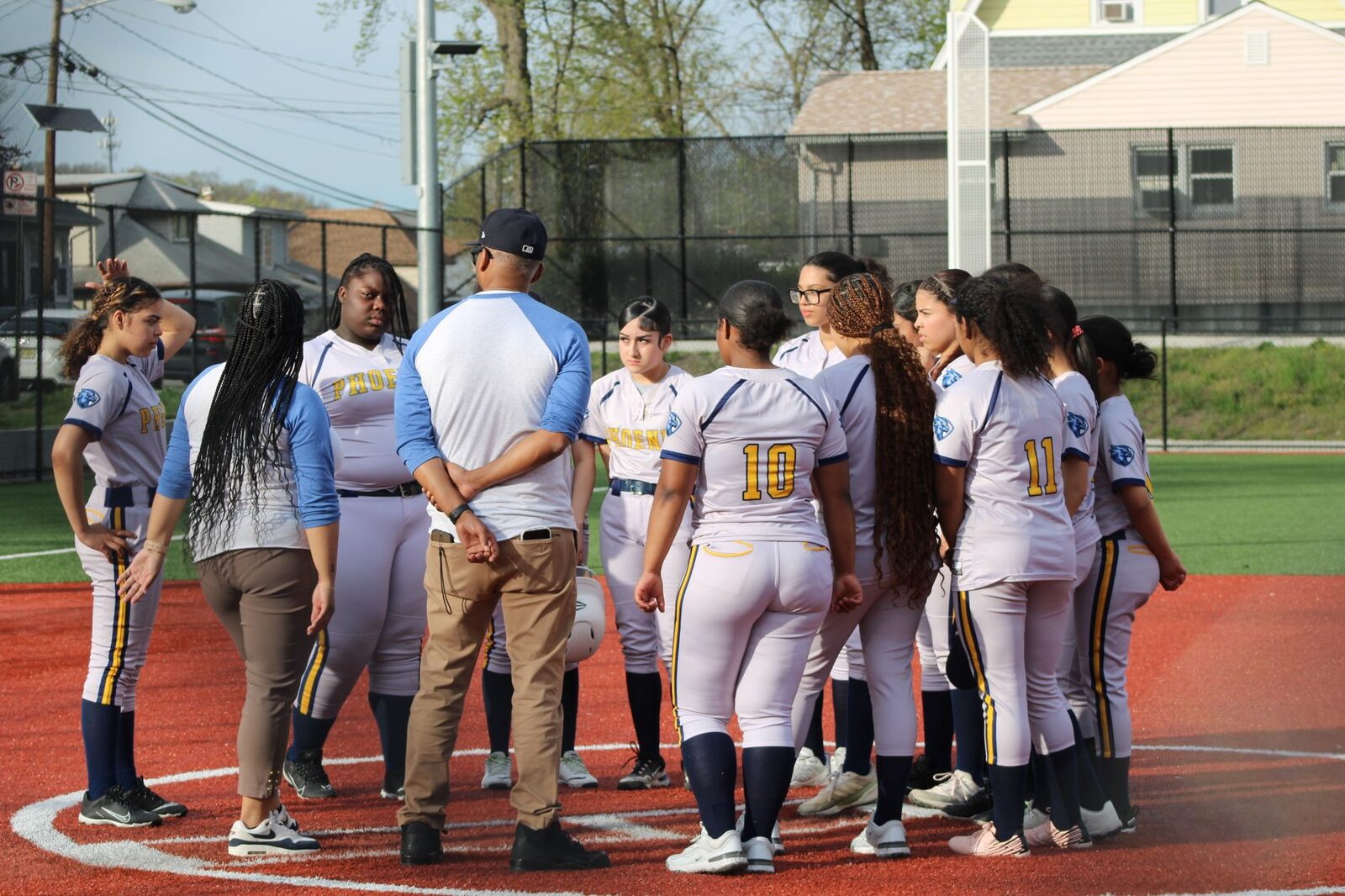
Essential Resources for New Softball Coaches
Don't try to do everything alone. These resources can help you develop as a coach:
- Practice Planner: Build structured practice plans that prepare your team for their assigned positions
- Free Lineup Generator: Eliminate the stress of manual lineup creation
- League Rule Books: Understand your specific league's requirements for lineups, substitutions, and playing time
- Coaching Clinics: Many organizations offer free or low-cost coaching education, check with your local ASA/USA Softball chapter
Frequently Asked Questions About Softball Lineups
How often should I change my batting order?
For youth softball (ages 6-12), rotate batting order every 2-3 games so all players experience different parts of the lineup. For competitive teen and adult leagues, establish a consistent order but make adjustments based on performance and matchups every 4-6 games.
Should I tell players why they're batting in a certain spot?
Yes, communication is key. Explain your batting order philosophy to the team as a group, then have private conversations with players about their specific roles. For youth players, emphasize that batting order will rotate. For competitive players, give honest feedback about what they can work on to move up in the order.
How do I handle a player who refuses to play certain positions?
Start with a conversation to understand why. Sometimes there's a legitimate concern (fear after being hit by a ball, physical limitations). For youth softball, explain that trying all positions helps them become better players. For competitive levels, discuss how versatility increases playing time opportunities. If a player still refuses, you may need to limit their playing time or have a conversation about team commitment.
What if two parents complain their kids aren't getting equal playing time?
First, check your actual records, perceptions often differ from reality. Show parents your tracking system (or use the lineup generator's built-in tracking). If there is an imbalance, acknowledge it and explain your plan to correct it over the next few games. If playing time is actually equal, show the data and explain your rotation system.
How many different positions should each player learn?
For youth softball (ages 6-10), players should experience all positions over the course of a season. For ages 11-14, players should have 2-3 positions they can play competently. For high school and beyond, having one primary position and one backup position is usually sufficient, though versatility is always valued.
Should my best athlete always play shortstop?
Not necessarily. While shortstop is traditionally seen as the premium defensive position, your best athlete might be more valuable as a dominant pitcher or a catcher who controls the game. Evaluate where each player creates the most value for your team, and don't be afraid to break with convention if it makes your team stronger overall.
How do I create lineups when I have more players than positions?
This is where strategic rotation becomes essential. Consider using a platoon system where certain players specialize in offense or defense, substituting liberally between innings. You can also use a "two lineup" approach where you essentially rotate between two complete lineups every other inning. The key is tracking everything to ensure fairness over time.
Conclusion: Building Winning Lineups That Develop Players
The perfect softball lineup balances competitive strategy with player development and enjoyment. While creating such lineups manually can be challenging and time-consuming, modern tools like our softball lineup generator make it simple to create balanced, fair lineups for every game in minutes rather than hours.
Remember that as a coach, your lineup decisions send powerful messages to your players about what you value. When you prioritize fairness and development alongside competition, you create an environment where everyone can thrive, both on and off the field. The most successful youth softball programs aren't just those that win the most games, but those that develop lifelong players who love the sport and continue playing for years.
Your Next Steps
Ready to transform your softball lineup creation process? Here's what to do next:
- Try the Free Lineup Generator: Create your first balanced lineup in under 5 minutes
- Plan Your Practices: Use our Practice Planner to build position-specific drills based on your lineup assignments
- Communicate Your Philosophy: Share this article with parents and assistants so everyone understands your approach
- Track Your Results: Keep records of playing time and positions to ensure season-long fairness
- Stay Flexible: Be willing to adjust your approach based on what works for your unique team
Whether you're coaching 8U rec league or competitive 18U travel ball, the principles remain the same: create fair, strategic lineups that develop every player while giving your team the best chance to succeed.
Related Resources
Continue developing your coaching skills with these helpful guides:
- Complete Guide to Running Youth Softball Practice
- 10 Fun Drills to Keep Youth Softball Players Engaged
- Batting Order Strategy for Youth Baseball and Softball
Related Documentation
Learn how to use the Dugout Edge lineup tools:
- Using the Lineup Generator - Complete guide to creating fair, optimized lineups
- Equal Playing Time Settings - Configure the fairness algorithm for your team
- Co-ed League Configuration - Set up gender ratio rules and requirements
- Position Preferences & Constraints - Set position rules for each player
- Exporting & Sharing Lineups - Print, PDF, and share your lineups
About the Author
Experienced softball coaches with a passion for player development and team success
Tags
Ready to Generate Your Perfect Lineup?
Try our free softball and baseball lineup generator to create balanced, fair lineups in minutes.
Try Free Lineup Generator