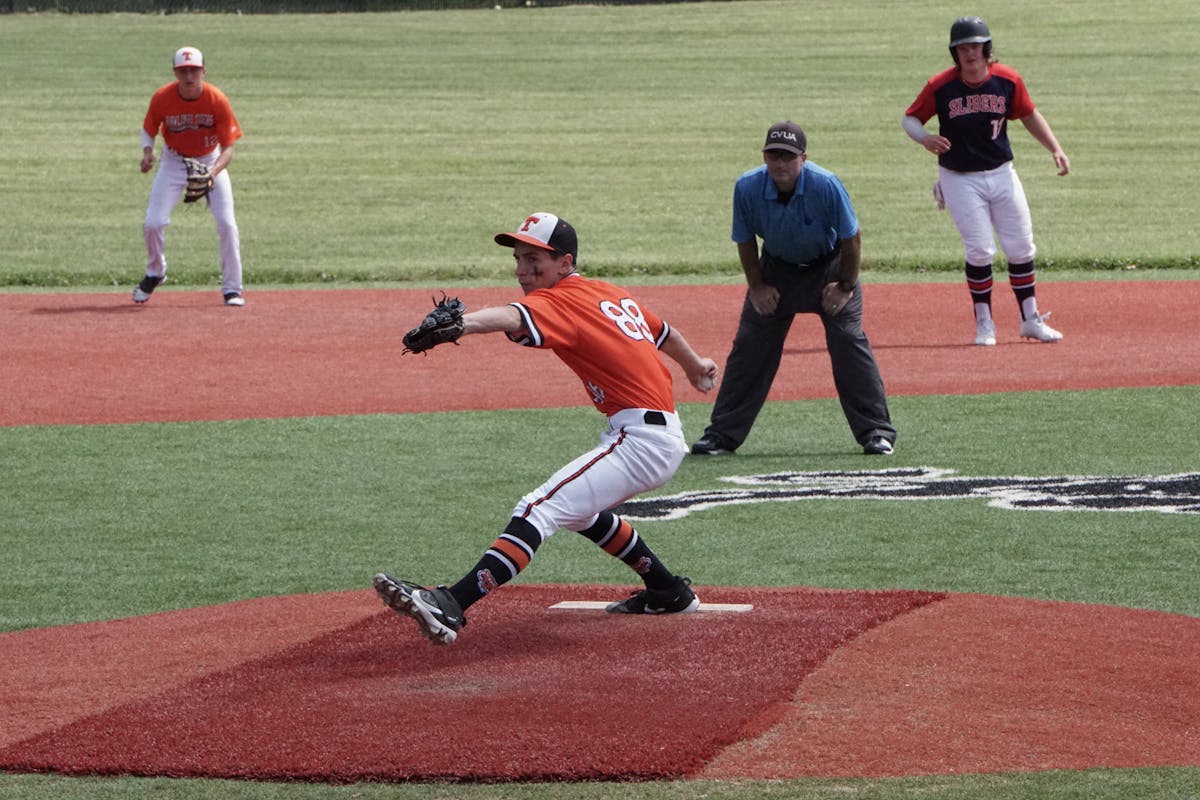
Coaching 9-10 Year Olds
The 9-10 age group marks a significant transition in youth baseball and softball. Players move from coach pitch to kid pitch, skills start to diverge, and real game situations emerge. This guide helps coaches navigate this pivotal developmental stage.
Understanding This Age Group
What makes 9-10 year olds unique as players.
Physical Development
- Improved coordination - More control of their bodies
- Wider skill range - Gap between advanced and developing players
- More stamina - Can handle longer practices
- Growing strength - Can throw and hit harder
- Still growing - Bodies continue changing
Mental Development
- Longer attention spans - 15-20 minutes per activity
- Beginning abstract thinking - Can understand "if-then" scenarios
- More competitive - Start caring about winning
- Self-aware - Know when they struggle
- Learning to learn - Can take and apply instruction
Social Development
- Team identification - Feel like part of the team
- Peer comparison - Notice skill differences
- Friendships solidify - Teammates become friends
- Emerging leaders - Some step up naturally
- Sensitive to criticism - Need positive framing
The Kid-Pitch Transition
The biggest change at this age.
What Changes
For batters:
- Inconsistent pitch speeds
- More balls than strikes
- Must learn pitch recognition
- Walks become common
- Strikeouts increase
For pitchers:
- Pressure to throw strikes
- Pitch counts matter
- Need multiple pitchers
- Mechanics over velocity
- Building confidence
For fielders:
- More time between plays
- Must stay focused
- Ball in play means action
- Positioning becomes important
Managing New Pitchers
Expectations:
- Strikes > velocity
- Fastball only
- Simple delivery
- Confidence first
Development approach:
- Lots of practice throwing
- Don't rush game appearances
- Celebrate strikes, not strikeouts
- Multiple pitchers on roster
Pitch count guidelines:
- Follow your league rules
- Track pitches carefully
- Err on side of caution
- Rest days are mandatory
Practice Structure
More focused than younger ages.
Practice Length
- 60-90 minutes - Their capacity has grown
- 12-15 minutes per activity - Can focus longer
- Include game situations - Apply skills
- Competitive elements - They enjoy competition
Sample Practice Structure
| Time | Activity |
|---|---|
| 0-10 min | Dynamic warm-up, throwing |
| 10-25 min | Skill work: hitting stations |
| 25-40 min | Skill work: defense stations |
| 40-50 min | Team defense situations |
| 50-55 min | Base running |
| 55-75 min | Batting practice or scrimmage |
| 75-85 min | Conditioning game |
| 85-90 min | Team meeting, end |
Teaching Approach
More instruction now:
- Can explain the "why"
- Break down techniques
- Use demonstrations
- Allow questions
- Provide individual feedback
Still need engagement:
- Competition keeps attention
- Variety prevents boredom
- Game-like situations
- Keep them moving
Fundamental Development
Building on the basics.
Throwing Progression
What they should master:
- Four-seam grip consistently
- Step toward target
- Follow through
- Accurate throws to first
What to introduce:
- Footwork patterns (crow hop)
- Throwing from different angles
- Quick release
- Longer throws (outfield)
Catching Progression
What they should master:
- Two hands to catch
- Move feet to the ball
- Catch, transfer, throw
What to introduce:
- Catching on the run
- Backhand catches
- Short-hop receiving
- Quick exchange
Batting Progression
What they should master:
- Consistent stance
- Level swing
- Watch the ball
- Hit strikes
What to introduce:
- Load and stride timing
- Adjusting to pitch location
- Two-strike approach
- Situational hitting concepts
Fielding Progression
What they should master:
- Ready position
- Field in front
- Glove on the ground
- Make the throw
What to introduce:
- Angles to the ball
- Backhand plays
- Double play feeds
- Communication
Game Situations
They're ready for situational learning.
Defense Situations to Teach
With nobody on:
- Where to throw on a ground ball
- Where to throw on a fly ball
- Cutoff positions
With runners on:
- Force play awareness
- Where the lead runner is
- Who covers what base
Start simple:
- One situation at a time
- Walk through first
- Then at half speed
- Finally, game speed
Offense Situations to Teach
Basic concepts:
- When to run, when to stop
- Tagging on fly balls
- What to do on base hits
- Running through first
More advanced:
- Two-out hitting approach
- Moving runners
- Reading the ball off bat
Position Introduction
Beginning to learn positions.
Rotation Philosophy
Still rotate everyone:
- Every position, every few games
- Don't specialize yet
- Let them find their interests
- Outfield is not punishment
Position exposure:
- Different positions in practice
- Understand each position's role
- Build versatility
- Avoid early labeling
Position-Specific Basics
Infielders:
- Ready position
- Move to the ball
- Make the throw to first
- Communication
Outfielders:
- Ready position
- First step on contact
- Call the ball
- Hit the cutoff
Pitchers/Catchers:
- Keep it simple
- Focus on fundamentals
- Short stints in games
- Build confidence
Managing Competition
They want to win now.
Healthy Competition
Encourage:
- Trying hard
- Team success over individual
- Good sportsmanship
- Bouncing back from failure
Avoid:
- Overemphasis on winning
- Blaming teammates
- Yelling at officials
- Post-game criticism
Handling Losses
- Keep perspective (it's still youth sports)
- Find positives
- Focus on improvement, not outcome
- Quick post-game, then move on
Handling Wins
- Be gracious
- Praise effort
- Acknowledge opponents
- Stay humble
Dealing with Skill Gaps
The spread widens at this age.
Advanced Players
Keep them challenged:
- Harder drills
- Leadership roles
- Higher expectations
- Focus on refinement
Avoid:
- Letting them coast
- Only playing them at key positions
- Ignoring their development
Developing Players
Build them up:
- Find their strengths
- Celebrate improvement
- Appropriate challenge level
- Extra encouragement
Provide:
- Modified drills if needed
- Partner with patient teammates
- Positions where they can succeed
- Consistent playing time
The Middle Group
Don't forget them:
- Often overlooked
- Need development too
- May have specific needs
- Could emerge with attention
Parent and Player Communication
More important as stakes feel higher.
Setting Expectations
Beginning of season:
- Philosophy (development over winning)
- Playing time approach
- Position rotation
- Behavior expectations
Throughout season:
- Regular updates
- Individual feedback
- Open door for questions
- Address concerns early
Playing Time Conversations
Be proactive:
- Explain your approach
- Every player will play
- Positions will rotate
- Competitive situations vary
When concerns arise:
- Listen first
- Explain reasoning
- Find common ground
- Keep player's interest first
Practice Drills for This Age
Effective activities for 9-10 year olds.
Throwing Drills
Long Toss Progression
- Start at 30 feet
- Back up every 5-10 throws
- Work on arc at distance
- Come back in with flat throws
Quick Hands
- Partner throws
- Catch and return quickly
- Competition element
- Builds quick release
Fielding Drills
Triangle Drill
- Ground ball, field, throw to first
- First baseman to catcher
- Catcher to third
- Third to home
- Rotate positions
Situation Grounders
- Call out the situation
- Hit ground ball
- Player must know where to throw
- Builds game awareness
Hitting Drills
Front Toss
- Coach from 20-25 feet
- Focus on timing
- Work on pitch location
Batting Practice
- 8-10 swings per round
- Mix locations
- End on a good swing
Key Reminders
- Fun still matters - They'll quit if they don't enjoy it
- Development over results - Focus on improvement
- Everyone plays - Participation is a right
- Encourage, don't criticize - They're watching you
- Teach situations - Game awareness starts now
- Manage the transition - Kid pitch is a big adjustment
- Build pitchers carefully - Arm health is paramount
- Keep perspective - They're still kids