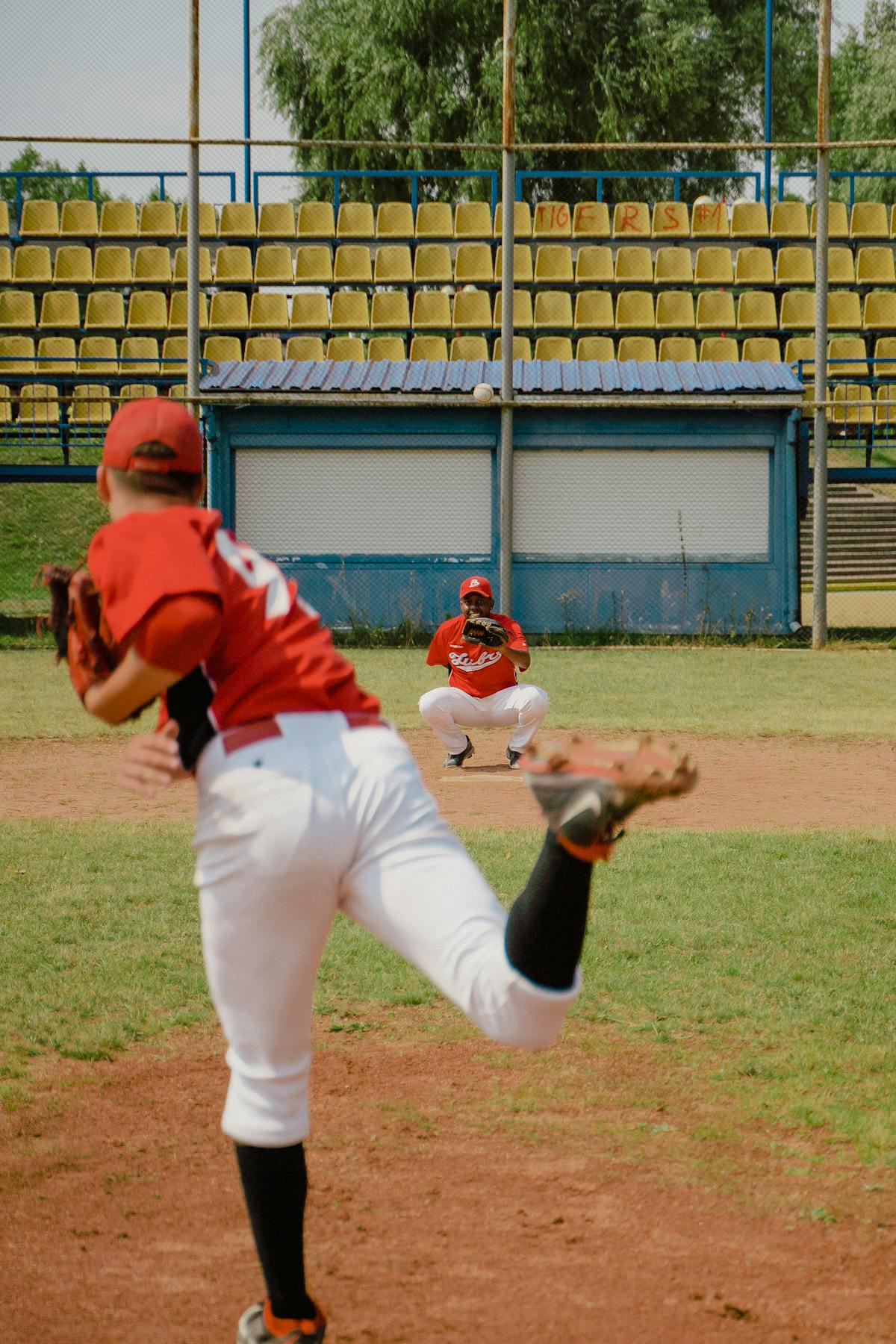
Coaching 6-8 Year Olds
Coaching the youngest players is equal parts teacher, entertainer, and cheerleader. At this age, the goal is simple: make baseball and softball fun while introducing basic skills. This guide helps coaches create positive first experiences with the sport.
Understanding This Age Group
What makes 6-8 year olds unique as players.
Physical Development
- Limited coordination - Still developing gross motor skills
- Varying skill levels - Huge range in ability
- Low endurance - Get tired quickly
- Small hands - Equipment matters
- Growing bodies - Strength varies widely
Mental Development
- Short attention spans - 5-10 minutes max on one activity
- Concrete thinkers - Show, don't explain
- Eager to please - Respond well to praise
- Easily distracted - Everything is interesting
- Fear of failure - Need encouragement
Social Development
- Self-centered perspective - Still learning teamwork
- Want to be included - Hate sitting out
- Learning to take turns - Patience is developing
- Friendships forming - Teammates become friends
- Parental attachment - Still look to parents
Coaching Philosophy at This Age
Your approach matters more than technique.
Primary Goals
- Fun first - They must enjoy being there
- Basic fundamentals - Throwing, catching, batting
- Positive experience - Build love of the game
- Physical activity - Get them moving
- Social skills - Learn to be teammates
What Success Looks Like
- Players want to come back next season
- Parents see their child happy
- Basic skills are introduced
- Every child feels included
- Nobody cries at practice (most of the time)
What Doesn't Matter Yet
- Winning games
- Perfect technique
- Position specialization
- Statistics
- Travel team preparation
Practice Planning
Structure keeps young players engaged.
Practice Length
- 45-60 minutes maximum - Their limit
- No activity longer than 8-10 minutes - Change it up
- Include water breaks - Every 15-20 minutes
- End while it's still fun - Leave them wanting more
Sample Practice Structure
| Time | Activity |
|---|---|
| 0-5 min | Gather, stretch, explain the day |
| 5-12 min | Warm-up game (tag, relay race) |
| 12-20 min | Skill station 1 |
| 20-25 min | Water break, bathroom |
| 25-33 min | Skill station 2 |
| 33-41 min | Skill station 3 |
| 41-50 min | Fun game to end |
| 50-55 min | Team cheer, clean up |
Station-Based Approach
Divide team into small groups that rotate through stations:
- Keeps kids moving
- More touches per player
- Requires parent helpers
- Maintains attention
Teaching Fundamentals
How to introduce basic skills.
Throwing
Keep it simple:
- Point your glove at your target
- Step toward where you're throwing
- Follow through
Teaching cues:
- "Point and throw"
- "Step to your friend"
- "Reach for the sky"
Common adjustments:
- Feet facing wrong direction
- Not stepping
- Just using arm (no body)
Catching
Keep it simple:
- Thumbs together for high balls
- Pinkies together for low balls
- Use two hands
Teaching cues:
- "Make a basket" (for low balls)
- "Make a butterfly" (for high balls)
- "Squeeze it!"
Start with:
- Soft training balls
- Short distances (10-15 feet)
- Rolling balls before thrown
Batting
Keep it simple:
- Feet apart
- Knees bent
- Watch the ball
- Swing level
Teaching cues:
- "Squish the bug" (back foot pivot)
- "Belly button to pitcher" (rotation)
- "Watch the ball hit the bat"
At this age:
- Use a tee extensively
- Progress to soft toss
- Then front toss
- Live pitching last (if at all)
Making Practice Fun
Games and activities that teach skills.
Warm-Up Games
Blob Tag
- One player is "it"
- When tagged, join hands with "it"
- Blob grows until everyone is caught
- Gets kids running and laughing
Relay Races
- Line up teams
- Run to cone and back
- Can add ball carrying
- Kids love competition
Skill Games
Around the World
- Players throw to stations
- Complete the circuit for points
- Works on throwing accuracy
- Team format keeps everyone involved
Home Run Derby
- Soft toss or tee
- Hit into outfield zones for points
- Everyone gets same number of swings
- Celebrate every hit
Tennis Ball Catch
- Use tennis balls for soft catch
- Count consecutive catches
- Beat your own record
- Less fear of the ball
End-of-Practice Games
Pickle
- Rundown game
- Multiple games at once
- Everyone participates
- Fun introduction to baserunning
Kick Ball
- Uses baseball/softball diamond
- Familiar to most kids
- Still teaches base running
- Different skill set (everyone succeeds)
Game Day Management
Making games a positive experience.
Pre-Game
- Get there early
- Have lineup ready
- Keep warm-up simple
- Assign parent helpers
During the Game
Batting:
- Everyone bats each inning (typical at this age)
- Coach helps at the plate
- Celebrate contact
- No strikeouts (tee if needed)
Defense:
- Rotate positions every inning
- Don't stress positioning
- Encourage effort, not outcomes
- Celebrate every play attempted
Coaching:
- Keep energy positive
- Don't yell instructions during play
- Brief teaching moments
- Lots of high fives
Post-Game
- Gather for team cheer
- Recognize everyone
- Snacks matter (coordinate with parents)
- Quick and positive
Common Challenges
How to handle typical issues.
The Crying Player
Stay calm:
- It happens at this age
- Have assistant help comfort
- Don't make a big deal
- Often ready to return in minutes
Prevention:
- Check in with quiet kids
- Notice early signs of frustration
- Pair with a buddy
- Lower difficulty if struggling
The Bored Player
Signs:
- Looking at planes
- Playing in dirt
- Not paying attention
- Wandering off
Solutions:
- Change activities more often
- Give them a special job
- Keep them engaged
- Accept that focus is limited
The Dominant Player
The challenge:
- Way ahead of other kids
- Gets bored with simple activities
- May dominate activities
Solutions:
- Challenge them with harder tasks
- Make them a helper
- Praise leadership, not just skill
- Keep them humble
The Struggling Player
Be patient:
- Every kid develops differently
- Find something to praise
- Simplify the task
- Celebrate small wins
Parent Management
Setting expectations with families.
Pre-Season Meeting
Cover these topics:
- Philosophy (fun first)
- Practice schedule
- Game day expectations
- How parents can help
- Communication methods
Parent Volunteers
You need them:
- Station helpers at practice
- Bench coaches during games
- Snack coordination
- Equipment management
Give clear instructions:
- "Your job is to roll balls"
- "Catch returns and roll again"
- "Count to 10, then rotate"
Sideline Behavior
Set expectations:
- Cheer for everyone
- Positive comments only
- No coaching from sidelines
- Let coaches coach
Equipment Considerations
Right-sizing for young players.
Gloves
- 9-10 inch gloves
- Already broken in if possible
- T-ball or "training" gloves
- Velcro closures help
Bats
- Light weight (14-16 oz)
- Proper length (25-27 inch)
- USA Baseball certified
- Tee ball bats work well
Balls
- Safety balls for young players
- Softer than regulation
- Transition to regular when ready
- Tennis balls for some drills
Batting Helmets
- Proper fit (doesn't spin)
- Face guards optional but recommended
- Team provides usually
Setting Season Goals
What to accomplish by end of season.
Skill Goals
By the end, most players should:
- Catch a gently thrown ball
- Throw to a target (general direction)
- Hit off a tee consistently
- Know where to run the bases
Behavior Goals
By the end, players should:
- Know their teammates' names
- Listen when coach talks (briefly)
- Cheer for teammates
- Show basic sportsmanship
The Real Goal
Did they have fun? Do they want to play again next year? That's success.
Key Reminders
- Fun is the foundation - Everything else is secondary
- Short attention spans are normal - Plan accordingly
- Everyone needs playing time - No exceptions
- Praise effort, not results - They can't control outcomes
- Show, don't tell - Demonstrations beat explanations
- Be patient - Development takes years, not practices
- End on a high note - Always leave them wanting more
- You're building the future - This is where love of the game starts