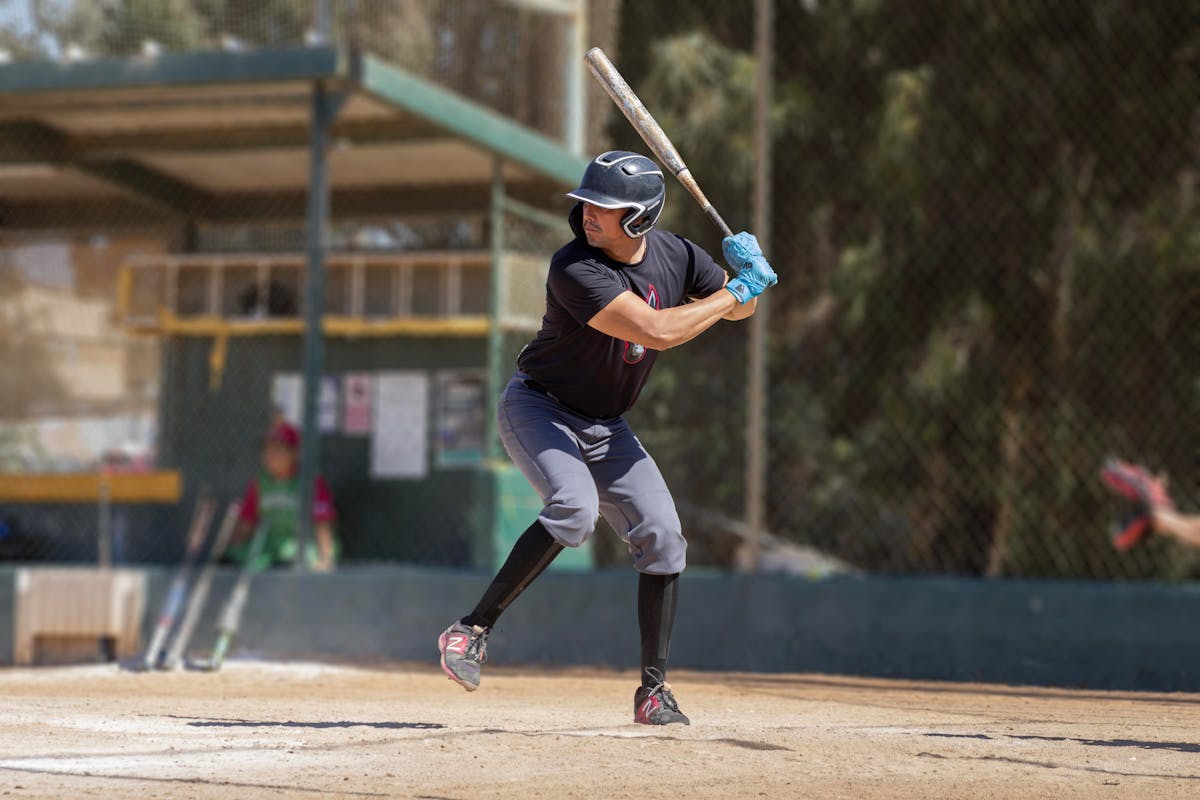
Coaching 13-14 Year Olds
The 13-14 age group marks the beginning of truly competitive baseball and softball. Players are developing adult-like skills, competition intensifies, and the pathway toward high school ball becomes visible. This guide helps coaches maximize development while navigating the challenges of this critical stage.
Understanding This Age Group
What makes 13-14 year olds unique as players.
Physical Development
- Puberty in full effect - Dramatic physical changes
- Massive variation - Some 5'10", some 4'10"
- Strength increasing rapidly - Power emerges
- Coordination may suffer - Growing bodies are awkward
- Injury risk elevated - Growth plates vulnerable
Mental Development
- Abstract reasoning mature - Can think strategically
- Self-aware - Know their strengths and weaknesses
- Identity forming - Defining themselves as players
- Motivation shifting - Intrinsic vs. extrinsic
- Critical of coaching - Question more
Social Development
- Peer influence dominant - Friends shape decisions
- Team culture critical - They police each other
- Leadership emerging - Some step up naturally
- Parent influence declining - Independence increasing
- Coach relationship pivotal - You matter a lot
Coaching Approach
How to connect with this age group.
Building Credibility
They need to respect you:
- Know the game
- Be consistent
- Follow through on commitments
- Admit when you're wrong
Earn trust:
- Private corrections
- Fair treatment
- Genuine interest in them
- Listen as much as instruct
Communication Style
What works:
- Direct and honest
- Explain the "why"
- Treat them maturely
- Ask for their input
- Acknowledge their knowledge
What doesn't work:
- Talking down to them
- Excessive yelling
- Public humiliation
- Inconsistent standards
- Ignoring their opinions
Balancing Development and Winning
The tension:
- Winning matters more now
- But development still critical
- Scouts look at potential, not just current
- Building for high school matters
The balance:
- Compete hard within development framework
- Don't sacrifice long-term for short-term
- Process-focused, result-aware
- Development puts them in position to win
Skill Development
Refinement over introduction.
Hitting at This Level
What they should have:
- Consistent mechanics
- Ability to hit velocity
- Some opposite-field approach
- Basic situational awareness
What to develop:
- Off-speed recognition
- Adjustment mid-at-bat
- Advanced situational hitting
- Mental approach refinement
Teaching approach:
- More individual coaching
- Video analysis if available
- Overload/underload training
- High-velocity machine work
- Live pitching priority
Pitching Development
What they should have:
- Solid fastball command
- Changeup developing
- Understanding of pitch counts
What to develop:
- Secondary pitches (curveball introduction)
- Pitch sequencing
- Reading hitters
- Mental toughness
Critical considerations:
- Arm care is paramount
- Pitch counts are non-negotiable
- Velocity will come with maturity
- Mechanics trump velocity
Curveball introduction:
- Proper mechanics first
- Limited usage
- No pain ever
- Build slowly
Defensive Development
What they should have:
- Solid fundamentals
- Position competence
- Game awareness
What to develop:
- Advanced positioning
- Difficult plays (diving, backhand)
- Double play turns
- Communication leadership
- Pre-pitch reads
Baserunning Development
What they should have:
- Basic reads
- Lead management
- Situational awareness
What to develop:
- Advanced reads
- Delayed steals
- First-to-third aggressive
- Reading pitchers
- Secondary lead timing
Game Management
More sophisticated approaches.
Lineup Construction
Considerations:
- Balance winning with development
- Matchups matter more
- Hot/cold streaks factor in
- Positioning for situations
Rotation approach:
- Less rotation than younger ages
- But still develop multiple positions
- "Primary" positions emerge
- Flexibility remains valuable
In-Game Strategy
They can handle:
- Complex signs
- Situational plays
- Strategic bunts
- Hit and run
- Defensive alignments
Coach's role:
- Set strategy
- Trust execution
- Adjust during game
- Teach between plays
Managing Multiple Pitchers
Develop a staff:
- 3-4 reliable arms minimum
- Understand roles (starter, reliever)
- Manage pitch counts
- Plan across tournaments
Arm care protocols:
- Track every pitch
- Enforce rest
- No exceptions
- Monitor workloads
The Mental Game
Critical at this level.
Competition Mindset
Teaching:
- Controlled aggression
- Compete without tension
- Focus on controllables
- Short memory
Tools:
- Pre-pitch routines
- Focus words
- Breathing techniques
- Visualization
Handling Adversity
It's common now:
- Strikeouts happen
- Errors cost games
- Losses hurt
- Playing time varies
Coach's approach:
- Model resilience
- Normalize struggle
- Teach bounce-back
- Don't over-comfort
Motivation
Intrinsic vs. extrinsic:
- At this age, shift toward intrinsic
- Help them find internal drive
- Don't rely on external rewards
- Build love of the work
Signs of burnout:
- Declining enthusiasm
- Going through motions
- Avoiding extra work
- Negative body language
Prevention:
- Vary practice
- Give ownership
- Celebrate the journey
- Off-season breaks
Team Culture
They'll build it themselves if you don't.
Establishing Culture
Start early:
- Clear expectations
- Player involvement
- Consistent standards
- Positive environment
Culture elements:
- Work ethic
- Accountability
- Support each other
- Compete hard
Player Leadership
Develop it:
- Identify natural leaders
- Give responsibilities
- Coach the leaders separately
- Hold leaders accountable
Avoid:
- Coach favorites
- Captains who don't lead
- Clique-based leadership
- Undermining coaches
Handling Issues
Common problems:
- Phone/social media distractions
- Attitude issues
- Effort inconsistency
- Teammate conflicts
Resolution approach:
- Address directly
- Private first
- Clear consequences
- Follow through
- Second chances
Preparing for High School
The next level is visible.
What High School Coaches Want
Physical tools:
- Athletic ability
- Arm strength
- Bat speed
- Foot speed
Baseball/Softball IQ:
- Game awareness
- Instincts
- Decision-making
- Situational knowledge
Character:
- Coachability
- Work ethic
- Teammates
- Composure
Position Development
Focus on:
- Primary position competence
- Secondary position utility
- Arm strength building
- Athletic development
Don't:
- Pigeonhole too early
- Neglect other positions
- Over-specialize
- Ignore athleticism
Exposure Considerations
If players are pursuing higher levels:
- Quality events over quantity
- Video highlights
- Academic development
- Character matters
Coach's role:
- Honest assessment
- Connect with high school coaches
- Support reasonable goals
- Keep perspective
Parent Management
Different challenges at this age.
The Shift
Parents at this age:
- Less directly involved
- More financially invested
- Higher expectations
- More questioning
Your approach:
- Professional communication
- Transparent decisions
- Boundaries maintained
- Respect their investment
Common Conflicts
Playing time:
- Still comes up
- Stakes feel higher
- Be consistent
- Document decisions
Position placement:
- Players have preferences
- Parents have opinions
- Stick to development plan
- Explain reasoning
Future projections:
- Be honest
- Don't promise
- Focus on development
- Reality check when needed
Handling Travel Ball Parents
Unique challenges:
- Higher investment
- Higher expectations
- More informed (sometimes)
- Quick to coach from stands
Your approach:
- Clear boundaries
- Consistent enforcement
- Stay calm
- Address issues directly
Health and Safety
More critical than ever.
Arm Health
This is the danger zone:
- Velocity increasing
- Games increasing
- Rest decreasing
- Growth plates vulnerable
Your responsibility:
- Pitch count enforcement
- Rest day enforcement
- Mechanical monitoring
- Pain = stop
Workload Management
Consider:
- Practice + games
- Multiple team participation
- Showcases and camps
- Private lessons
Manage:
- Communicate with families
- Recommend rest
- Watch for overuse signs
- Season length matters
Injury Recognition
Watch for:
- Mechanical changes
- Velocity decrease
- Pain complaints
- Avoiding throwing
Response:
- Take complaints seriously
- Err on side of caution
- Professional evaluation
- Don't rush return
Building Your Coaching Skills
You need to grow too.
Knowledge Development
Keep learning:
- Attend clinics
- Watch higher-level coaches
- Read current research
- Join coaching communities
Areas to study:
- Advanced mechanics
- Mental game coaching
- Periodization
- Injury prevention
Self-Assessment
Regularly ask:
- Are players developing?
- Is the culture positive?
- Am I improving?
- Would I want to play for me?
Key Reminders
- Development still matters - High school is soon, but it's not now
- Earn respect - They won't follow someone they don't respect
- Mental game is critical - Teach it directly
- Arm health is paramount - No exceptions
- Balance competition and development - Both matter
- Culture is everything - Build it intentionally
- Prepare for next level - But don't skip this one
- Enjoy coaching them - This is fun age when done right