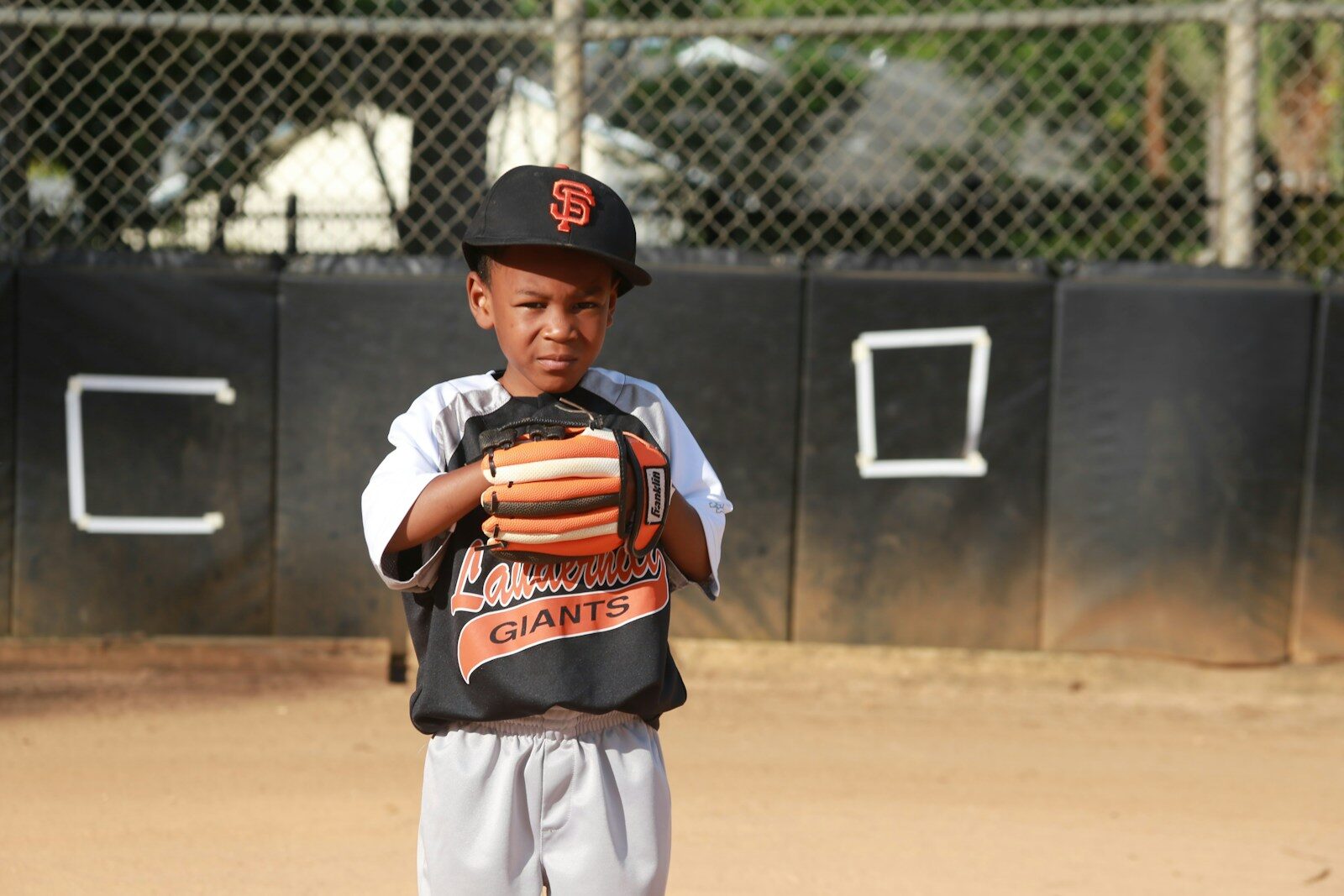
Coaching 11-12 Year Olds
The 11-12 age group sits at a pivotal transition point. Players are leaving recreational ball behind and approaching more competitive environments. Skills diverge significantly, competition intensifies, and the mental game becomes more important. This guide helps coaches navigate this critical stage.
Understanding This Age Group
What makes 11-12 year olds unique as players.
Physical Development
- Pre-puberty/early puberty - Bodies are changing
- Wide physical variation - Some look like men, others like kids
- Increased strength - Noticeable power development
- Better coordination - More athletic movements
- Injury risk rising - Growth plates are vulnerable
Mental Development
- Abstract thinking emerging - Can strategize
- Self-critical - Hard on themselves
- Competitive drive - Want to win
- Attention improving - Can focus 20-30 minutes
- Seeking identity - Defining themselves through baseball/softball
Social Development
- Peer influence growing - Friends matter more
- Comparing themselves - Know who's better/worse
- Team dynamics complex - Cliques can form
- Starting to separate from parents - Independence emerging
- Looking to coaches - Role model relationship
The Transition to Travel Ball
Many players face this decision at this age.
The Travel Ball Question
Considerations:
- Is the player ready?
- What are family priorities?
- Cost and time commitment
- What will they gain?
- What might they lose?
Coach's role:
- Provide honest assessment
- Avoid pressure
- Support either decision
- Focus on current team
Preparing Players for Next Level
Skills to solidify:
- Consistent fundamentals
- Situational awareness
- Mental toughness
- Work ethic
- Coachability
What travel coaches look for:
- Baseball/softball IQ
- Athletic ability
- Attitude and effort
- Projection (future potential)
- Teachability
Practice Design
More sophisticated than younger ages.
Practice Length
- 90-120 minutes - They can handle it
- Varied intensity - High focus periods, recovery periods
- Game simulation - More scrimmage-like work
- Individual work time - Position-specific development
Sample Practice Structure
| Time | Activity |
|---|---|
| 0-15 min | Dynamic warm-up, arm care, throwing |
| 15-30 min | Individual skill work (by position) |
| 30-50 min | Team defense situations |
| 50-55 min | Water break |
| 55-75 min | Batting practice (rotating groups) |
| 75-90 min | Base running or live situations |
| 90-105 min | Intrasquad scrimmage |
| 105-120 min | Conditioning, cool down, team meeting |
Teaching Approach
Higher expectations:
- Players execute before progressing
- More individual feedback
- Hold them accountable
- Expect focus and effort
But still developmentally appropriate:
- Patient with mistakes
- Explain the why
- Balance criticism with praise
- Keep perspective
Skill Development Focus
What to emphasize at this age.
Hitting Development
Priorities:
- Consistent mechanics
- Pitch recognition
- Adjusting to off-speed
- Situational at-bats
Teaching points:
- See the ball longer
- Stay balanced
- Drive the ball to all fields
- Two-strike adjustments
Practice approaches:
- Live pitching regularly
- Situational batting practice
- Front toss with movement
- Video review (optional)
Pitching Development
Priorities:
Safety emphasis:
- Pitch count adherence
- Rest requirements
- Pain = stop immediately
- No curveballs yet (or very limited)
What to teach:
- Working the corners
- Changing speeds
- Fielding the position
- Mental approach
Defensive Development
Priorities:
- Range expansion
- Making the difficult play
- Quick hands and feet
- Game situation reactions
Position-specific work:
- Infielders: double plays, backhand
- Outfielders: routes, arm accuracy
- Catchers: blocking, throwing, game calling
- Pitchers: PFP, holding runners
Baserunning Development
Priorities:
- Reading pitchers
- Lead management
- Secondary leads
- Situational running
What they should know:
- First-to-third decisions
- Tag-up rules
- Delayed steals
- Two-out running
Game Management
More sophisticated approaches.
Lineup Construction
Considerations:
- Balance development with competition
- Reward improvement and effort
- Consider matchups
- Maintain team harmony
Playing time:
- Still rotate (this is still youth ball)
- Balance positions
- More variance in critical situations okay
- Every player gets meaningful time
In-Game Decisions
They can handle more:
- Signs from coaches
- Situational awareness
- Adjusting their approach
- Making reads independently
Coach's role:
- Set them up for success
- Trust their preparation
- Teach between innings
- Debrief after games
Managing Competition
It matters more now:
- League standings exist
- Playoffs are real
- Players feel pressure
- Parents get intense
Maintain perspective:
- Development still first
- Process over results
- Long-term > short-term
- It's still kids playing
Managing the Mental Game
This is when it really starts to matter.
Building Confidence
Through preparation:
- Quality practice = game confidence
- Success breeds success
- Simulate pressure
Through support:
- Focus on controllables
- Praise effort and approach
- Reframe failures as learning
Through experience:
- Let them struggle (somewhat)
- Don't rescue constantly
- Build resilience
Handling Failure
It's more visible now:
- Stats are tracked
- Comparisons are made
- Players internalize failures
Coach's approach:
- Normalize failure
- Discuss great players' failure rates
- Focus on next at-bat/play
- Teach mental routines
Dealing with Pressure
Sources:
- Self-imposed expectations
- Parental pressure
- Teammate expectations
- Coach expectations
Teaching tools:
- Breathing techniques
- Pre-pitch routines
- Focus cues
- Positive self-talk
Team Dynamics
More complex at this age.
Managing Cliques
Prevention:
- Rotate partners in drills
- Mix up groups
- Address exclusionary behavior
- Team-building activities
When issues arise:
- Address privately first
- Set clear expectations
- Involve parents if needed
- Keep team focus
Dealing with Skill Gaps
The gap is wide now.
For advanced players:
- Challenge them appropriately
- Give leadership opportunities
- Refine their details
- Keep them humble
For developing players:
- Find their role
- Celebrate improvement
- Build on strengths
- Maintain confidence
Building Leaders
Identify natural leaders:
- Not always the best players
- Look for character
- Watch how they treat others
- Note who teammates follow
Develop leadership:
- Give them responsibilities
- Model leadership behavior
- Discuss what leaders do
- Let them lead warm-ups
Parent Management
Stakes feel higher, emotions run hotter.
Setting Season Expectations
Be clear upfront:
- Your coaching philosophy
- Playing time approach
- Development priorities
- Behavior expectations
Put it in writing:
- Parent handbook
- Team expectations document
- Communication protocols
- Problem resolution process
Common Issues at This Age
Playing time concerns:
- Be proactive in explaining
- Document playing time
- Have honest conversations
- Stand firm on philosophy
Position preferences:
- Everyone thinks their kid is a shortstop
- Explain your approach
- Try players at positions
- Development over accommodation
Travel ball pressure:
- Don't lobby either direction
- Provide honest feedback
- Support family decisions
- Focus on your team
Difficult Conversations
When needed:
- Private and timely
- Stick to behaviors, not personality
- Listen actively
- Seek solutions together
- Follow up
Health and Safety
More important as intensity increases.
Arm Care
Monitoring:
- Track pitch counts religiously
- Enforce rest requirements
- Watch for mechanical changes
- Listen to players
Prevention:
- Proper warm-up
- Gradual building
- Off-season rest
- Appropriate pitch counts in practice
Injury Prevention
Common injuries:
- Arm (overuse)
- Ankle (sliding, pivoting)
- Fingers (catching, batting)
- Growth plate issues
Prevention:
- Proper warm-up
- Appropriate intensity
- Address pain immediately
- Don't play through injuries
Growth Considerations
Be aware:
- Growth spurts affect coordination
- Strength changes rapidly
- Some early developers, some late
- Don't favor physical maturity
Season Planning
Think beyond individual practices.
Early Season
- Assess current skills
- Build fundamentals
- Establish culture
- Get everyone playing time
Mid-Season
- Refine team play
- Address weaknesses
- Introduce advanced concepts
- Maintain energy
Late Season
- Prepare for playoffs
- Peak performance
- Manage arms carefully
- Celebrate the season
Key Reminders
- Development still matters most - It's still youth ball
- The mental game emerges - Address it directly
- Skill gaps widen - Manage with wisdom
- Competition increases - Keep perspective
- Parents get intense - Set clear expectations
- Arm health is critical - No shortcuts
- Build for the future - They have years ahead
- Enjoy this age - They can really play now