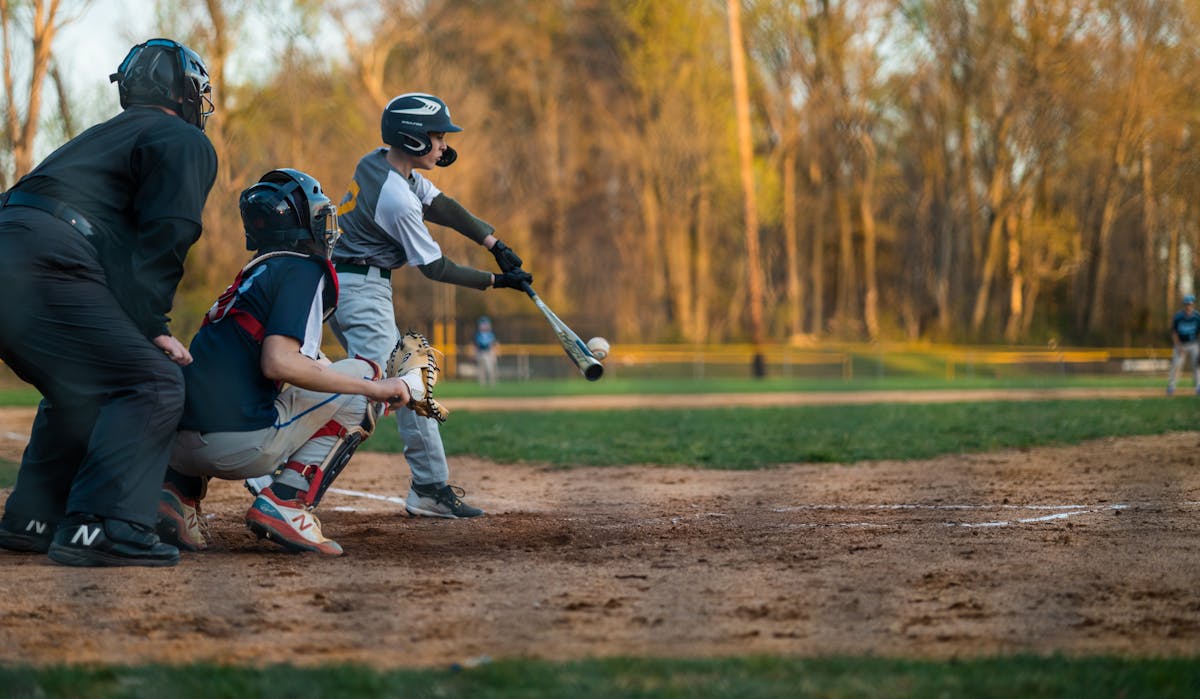
Skill Progression Guide
Player development follows predictable stages. Knowing what to teach and when helps coaches focus on age-appropriate skills while building a foundation for the future. This guide outlines skill progressions from tee ball through early travel ball ages.
Development Principles
Guidelines that apply across all ages.
The Learning Sequence
For any skill, progression follows this order:
- Introduce - Show the skill, explain basics
- Practice in isolation - Work the skill alone
- Practice with variation - Add movement, speed
- Apply in game-like situations - Simulate competition
- Use in games - Real application
- Refine - Improve as ability grows
Crawl, Walk, Run
Crawl: Basic movement, no pressure Walk: Add complexity, some pressure Run: Game speed, full complexity
Don't skip stages. Master each before progressing.
Individual Variation
- Some players develop faster
- Physical maturity affects ability
- Mental readiness matters
- Don't compare players to each other
- Compare to their own progress
Throwing Progression
Building arm skills from scratch.
Ages 6-7 (Tee Ball)
Focus:
- Holding the ball correctly
- Pointing at target
- Stepping toward target
- Releasing the ball
Teaching cues:
- "Point your belly button at your friend"
- "Step toward where you're throwing"
- "Follow through, reach for them"
Drills:
- Wrist flips (10 feet)
- Partner throws (20-30 feet)
- Accuracy targets
Ages 8-9 (Coach Pitch/Machine Pitch)
Add:
Teaching cues:
- "Find the horseshoe" (grip)
- "Replace your feet" (crow hop)
- "Get your elbow up"
Drills:
- Long toss (40-60 feet)
- Catch and throw
- Accuracy competitions
Ages 10-11 (Kid Pitch)
Add:
- Quick release
- Throwing on the run
- Throwing from different angles
- Stronger throws
Teaching cues:
- "Quick feet, quick hands"
- "Throw through the target"
- "Use your legs"
Drills:
- Quick hands drill
- Throwing from knees
- Long toss (60-90 feet)
Ages 12-14 (Pre-Travel/Travel)
Add:
- Position-specific footwork
- Jump throws (infield)
- Strong, accurate relays
- Throwing under pressure
Teaching cues:
- "Trust your arm"
- "Make every throw count"
- "Arm slot consistency"
Drills:
- Position-specific throwing
- Long toss (90-120+ feet)
- Time pressure drills
Catching Progression
From fear of the ball to soft hands.
Ages 6-7
Focus:
- Tracking the ball with eyes
- Getting body in front
- Two hands together
- Using training balls
Teaching cues:
- "Watch it into your glove"
- "Make a basket"
- "Squeeze!"
Drills:
- Rolled balls
- Self-toss catches
- Soft ball tosses
Ages 8-9
Add:
- Moving to catch
- Thumbs together (high), pinkies together (low)
- Catching thrown balls consistently
- Catching while moving
Teaching cues:
- "Move your feet first"
- "Catch the egg"
- "Get behind it"
Drills:
- Partner catches (moving)
- Ground ball catch and throw
- Pop fly practice
Ages 10-11
Add:
- Short-hop catching
- Backhand catches
- Catches on the run
- Quick transfer
Teaching cues:
- "Soft hands"
- "Give with the ball"
- "Meet it out front"
Drills:
- Short hop drills
- Transfer and throw
- Tennis ball quickness
Ages 12-14
Add:
- Difficult catches (diving, reaching)
- Catching bad throws
- Receiving skills (catchers)
- Catches under pressure
Drills:
- Reaction drills
- Bad throw receiving
- Game situation catches
Batting Progression
From hitting a stationary ball to adjusting mid-swing.
Ages 6-7
Focus:
- Basic stance (feet apart, knees bent)
- Watching the ball
- Level swing
- Contact
Teaching cues:
- "See the ball, hit the ball"
- "Squish the bug" (back foot)
- "Hands to the ball"
Practice methods:
- Tee work
- Soft toss (underhand)
Ages 8-9
Add:
- Load and stride basics
- Timing with moving ball
- Hitting to different fields
- Better bat speed
Teaching cues:
- "Load back, then go"
- "Hands stay back"
- "Hit it where it's pitched"
Practice methods:
- Front toss
- Machine pitch (if available)
- Live batting practice
Ages 10-11
Add:
- Full swing mechanics
- Two-strike adjustments
- Pitch recognition
- Situational approach
Teaching cues:
- "Hips before hands"
- "Stay through the ball"
- "Be on time"
Practice methods:
- Live pitching
- Situation batting practice
- Video review (if available)
Ages 12-14
Add:
- Advanced timing
- Off-speed recognition
- Hitting with power
- Full situational awareness
Teaching cues:
- "See it longer"
- "Trust your hands"
- "Attack the zone"
Practice methods:
- Live with secondary pitches
- Overload/underload training
- High-velocity machines
Fielding Progression
From chasing the ball to making plays.
Ages 6-7
Focus:
- Ready position
- Getting in front of ball
- Staying low
- Making the throw
Teaching cues:
- "Alligator hands"
- "Butt down"
- "Get in front"
Drills:
- Rolled grounders
- Soft hit grounders
- Throw to coach/parent
Ages 8-9
Add:
- Moving to the ball
- Fielding and throwing
- Basic footwork patterns
- Glove side and throwing side
Teaching cues:
- "Field, feet, throw"
- "Round the ball"
- "Charge when you can"
Drills:
- Ground ball lines
- Throw to first
- Triangle drill
Ages 10-11
Add:
- Backhand plays
- Slow rollers
- Turning double plays
- Communication
Teaching cues:
- "Attack the ball"
- "Know your play"
- "Call it!"
Drills:
- Backhand practice
- Double play turns
- Situation grounders
Ages 12-14
Add:
- Full range plays
- Jump throws
- Diving plays
- Pressure situations
Drills:
- Full speed situations
- Position-specific work
- Game simulations
Baserunning Progression
From "which way do I go?" to smart, aggressive running.
Ages 6-7
Focus:
- Run to the right base
- Touch the bag
- Run through first base
- Stop when told
Teaching cues:
- "Run fast!"
- "Touch the base"
- "Listen to coach"
Ages 8-9
Add:
- Watching the ball
- Running on ground balls
- Tagging on fly balls
- Basic lead-offs (if allowed)
Teaching cues:
- "See the ball, then run"
- "Find the ball first"
- "Go on the coach's call"
Ages 10-11
Add:
- Leads and steals
- Reading fly balls
- Rounding bases
- Situational running
Teaching cues:
- "Read and react"
- "Be smart, be aggressive"
- "Know the outs"
Ages 12-14
Add:
- Advanced reads
- Secondary leads
- Delayed steals
- First-to-third reads
Teaching cues:
- "Make them throw you out"
- "Trust your reads"
- "Know the arm"
Game Awareness Progression
Understanding the game.
Ages 6-7
Focus:
- Where is the ball?
- Where do I throw?
- When do I run?
Teaching approach:
- Simple instructions
- Repetition
- Celebrate correct decisions
Ages 8-9
Add:
- How many outs?
- Where are the runners?
- What should I do if...?
Teaching approach:
- Pre-pitch reminders
- Situation quizzes
- Walk-throughs
Ages 10-11
Add:
- Full situation awareness
- Anticipating plays
- Making decisions without prompting
- Understanding strategy
Teaching approach:
- Situation discussions
- Film review (optional)
- In-game teaching moments
Ages 12-14
Add:
- Advanced positioning
- Reading opposing team
- Pitch-by-pitch awareness
- Game management concepts
Teaching approach:
- Player-led decisions
- Strategic discussions
- Trust their knowledge
Pitching Progression
For baseball/softball pitching development.
Ages 8-9 (Introduction)
Focus:
- Basic mechanics
- Throwing strikes
- Simple delivery
- Fastball only
Key points:
- Balance over velocity
- Consistent arm action
- Limited pitch counts
Ages 10-11 (Development)
Add:
- Refined mechanics
- Pitching from stretch
- Changeup introduction
- Holding runners
Key points:
- Mechanics consistency
- Arm health awareness
- Multiple pitcher rotation
Ages 12-14 (Advancement)
Add:
- Velocity development
- Curveball (age 14+)
- Pitching strategy
- Self-scouting
Key points:
- Pitch count management
- Recovery time
- Mechanics maintenance
Skill Assessment Guide
How to evaluate player development.
Throwing Assessment
| Level | Characteristics |
|---|---|
| Beginner | Steps wrong direction, rainbow throws |
| Developing | Steps toward target, inconsistent accuracy |
| Competent | Four-seam grip, accurate to 60 feet |
| Advanced | Strong, accurate throws with good mechanics |
Catching Assessment
| Level | Characteristics |
|---|---|
| Beginner | Fights the ball, turns head |
| Developing | Catches some, drops some, two hands |
| Competent | Consistent catches, moves to ball |
| Advanced | Soft hands, catches anything near them |
Batting Assessment
| Level | Characteristics |
|---|---|
| Beginner | Swings and misses often, no timing |
| Developing | Makes contact off tee/soft toss |
| Competent | Hits live pitching, some power |
| Advanced | Adjusts to pitches, drives the ball |
Fielding Assessment
| Level | Characteristics |
|---|---|
| Beginner | Ball goes through/by, no position |
| Developing | Fields some, throws to wrong base |
| Competent | Fields cleanly, makes routine plays |
| Advanced | Range, makes difficult plays |
Key Reminders
- Patience is essential - Development takes years
- Follow the progression - Don't skip stages
- Individual timelines - Every player is different
- Master basics first - Fundamentals over flash
- Repetition builds skill - Practice makes permanent
- Celebrate improvement - Progress over perfection
- Keep it fun - Engagement enables learning