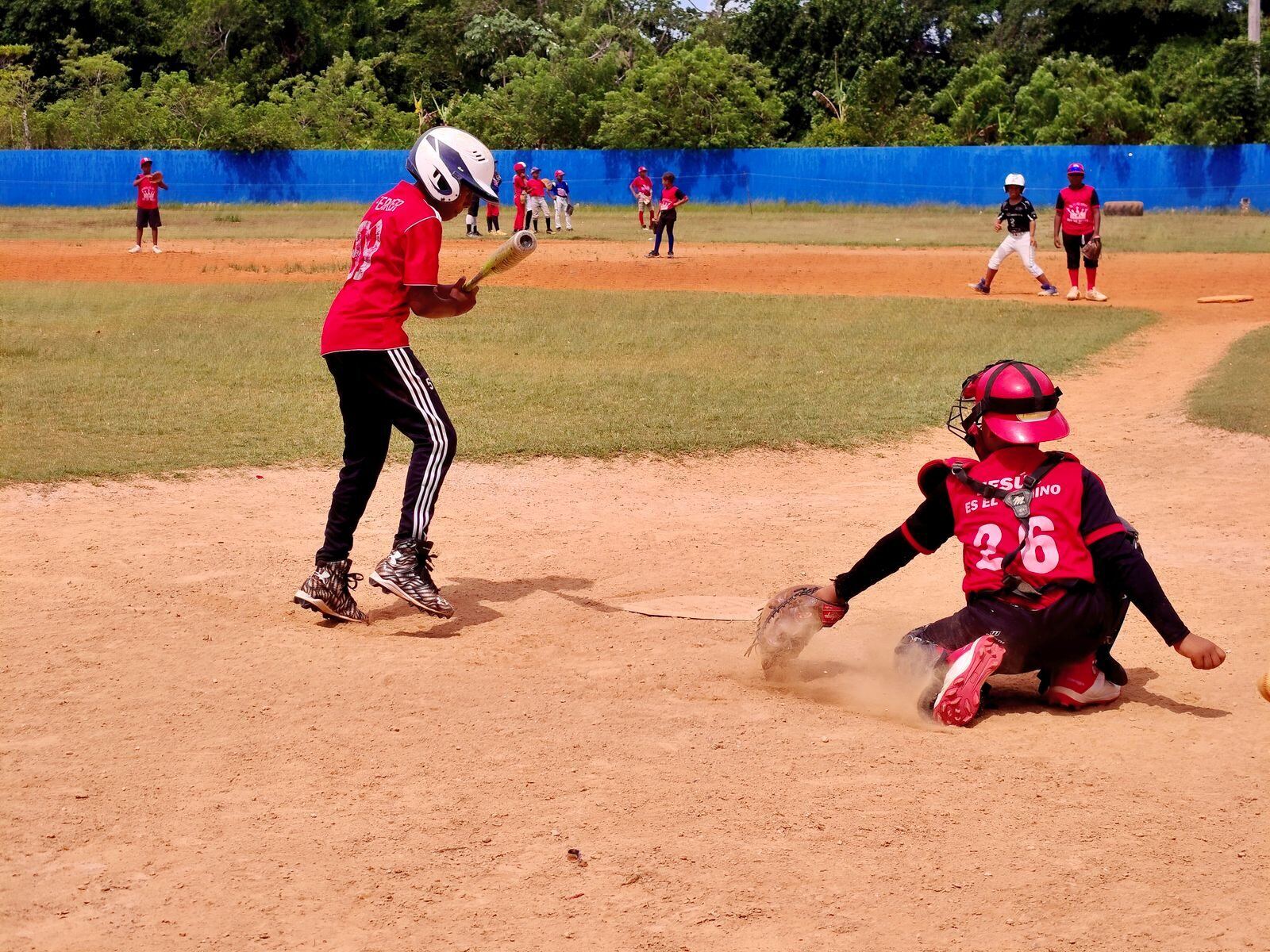
10U Practice Plan Guide
At 10U, players are ready for more detail, but they still need fast reps, simple language, and lots of success. The best 10U practices feel organized, competitive, and short on speeches.
Want a plan you can print tonight? Grab the free 10U baseball practice plan or 10U softball practice plan, or build your own in the free practice planner.
What a good 10U practice should do
- Keep instruction blocks short and active
- Build throwing, catching, and decision-making every practice
- Prepare hitters for kid pitch or faster live pitching
- End with game-like reps, not lines and lectures
What 10U Players Need Most
Most 10U players do not need advanced systems yet. They need dependable habits.
Priority 1: Throw and catch under control
- Catch the ball first
- Get feet under the body
- Make one accurate throw
Priority 2: Hit live pitching without panic
- Track the ball longer
- Learn strike-zone awareness
- Compete with two strikes
Priority 3: Know one job before the pitch
- Where is the next play?
- Who covers the base?
- What happens on a ground ball?
Priority 4: Keep confidence steady
- Correct one thing at a time
- Praise execution and effort, not only results
- Do not let one player or one station dominate the practice
75-Minute 10U Practice Template
This is a strong default for most in-season 10U teams.
| Block | Time | Purpose |
|---|---|---|
| Dynamic warm-up and throwing | 10 min | Get bodies ready and clean up throwing habits |
| Defensive fundamentals | 15 min | Ground balls, fly balls, footwork, or base coverage |
| Hitting stations | 20 min | Tee, front toss, live looks, or approach work |
| Pitching / catching or baserunning | 10 min | Small-group development work |
| Team situations | 15 min | Force decisions under game pressure |
| Quick review | 5 min | Reinforce 1 or 2 teaching points |
Warm-up and throwing
Keep it simple and quick:
- Athletic movement for 3 to 4 minutes
- Short throwing progression with accuracy focus
- One coach cue for the day, such as "step through the target"
Defensive fundamentals
Choose one defensive focus only:
- Infield rhythm and exchange
- Outfield first step and communication
- Force-play coverage
- Cutoff alignment
Hitting stations
Use 3 or 4 stations, not 5 or 6. More stations usually means less coaching.
A strong 10U mix:
- Tee for bat path and direction
- Front toss for timing
- Live or machine looks for tracking
- Competitive contact station for two-strike mindset
Team situations
Make players solve real baseball or softball questions:
- Runner on first, one out, ground ball to shortstop
- Runner on third, less than two outs, ball to the outfield
- First and third defense
- Bunt coverage
If You Have 90 Minutes
Add reps, not complexity.
Use the extra time for one of these:
- More live hitting
- More small-group pitching and catching
- One longer scrimmage inning with coached pauses
- More baserunning reads
Avoid using the extra time to add another long lecture block.
Kid-Pitch Transition Coaching
For many 10U baseball teams, kid pitch changes the whole practice. For softball teams, the same idea applies when live pitching speed and movement increase.
What hitters need
- Better takes
- Earlier tracking
- Calm body language after swings and misses
- A simple two-strike plan
Coach cues
- "See it up."
- "Take the close ball you cannot drive."
- "With two strikes, battle for contact."
What pitchers need
- Fastball command first
- Tempo and balance
- Clear recovery rules and pitch-count awareness
Do not rush into breaking-ball talk with 10U players. Build direction, balance, and strike throwing first.
Baseball vs Softball Notes
Baseball
- Kid-pitch adjustment often becomes the central challenge.
- Baserunning reads and force-play decisions should show up every week.
- Pitch-count habits matter early.
Softball
- Short-game reps matter sooner for many teams.
- Defensive communication around bunts, slap pressure, and first-base coverage should be rehearsed often.
- Catchers need blocking, transfer, and throw-footwork reps more than framing reps.
Common 10U Practice Mistakes
Too many stations
Players spend more time rotating than learning.
Long lines and long speeches
10U players learn through movement. When the line grows, attention drops.
Advanced content too early
If the team cannot throw and receive cleanly, double-steals and layered trick plays are wasted time.
Practice only looks like drills
Players need decisions, not just mechanics. Every practice should include situations.
Competition becomes punishment
Use competition for energy and focus. Do not use public embarrassment or arbitrary punishments as a coaching tool.
A Weekly Rhythm That Works
If you practice multiple times per week, a simple rhythm helps:
- Practice 1: Fundamentals plus hitting
- Practice 2: Team defense plus situations
- Practice 3: Shorter, sharper, game-prep session
That structure gives players repetition without making every day feel the same.