6U T-Ball Practice Plan Guide
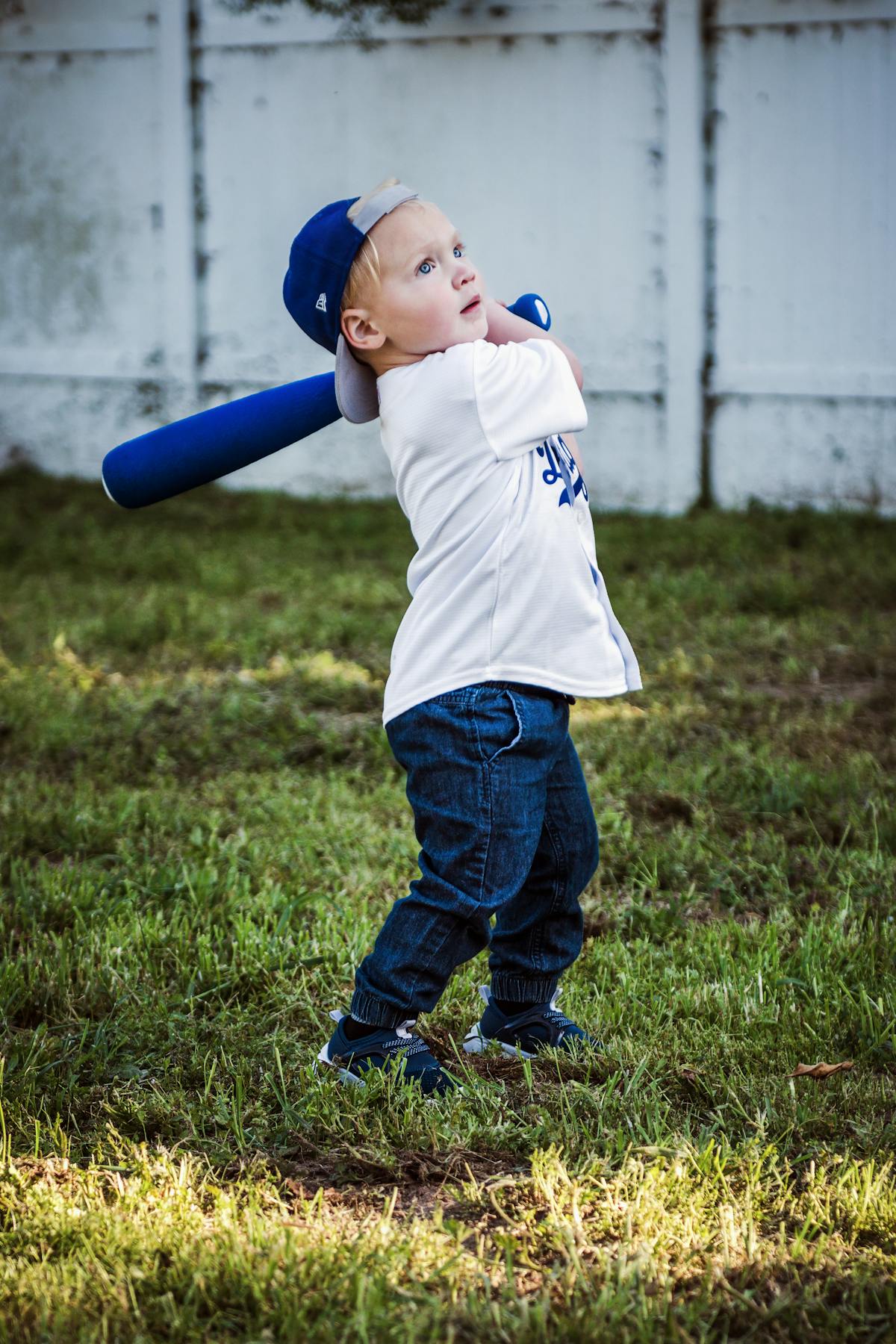
T-Ball is most players' first introduction to baseball or softball. At this age (4-6 years old), the goal isn't creating elite athletes, it's building love for the game, basic motor skills, and positive experiences. This guide will help you plan practices that keep young players engaged while teaching fundamental skills.
Want a plan you can print tonight? Grab the free T-ball practice plan, or build your own in the free practice planner.
Understanding 6U Players
Developmental Characteristics
Physical:
- Limited hand-eye coordination (still developing)
- Short attention spans (5-10 minutes per activity)
- Tire quickly but recover fast
- Struggle with complex motor sequences
- May not catch consistently yet
Mental:
- Learn through play and repetition
- Need constant positive reinforcement
- Easily distracted
- Want to please adults
- May cry when frustrated (this is normal)
Social:
- May struggle sharing equipment
- Want to be near friends
- Need bathroom breaks frequently
- May be shy around new people
- Love silly games and celebrations
Golden Rules for 6U Practices
- Keep it moving - Change activities every 5-8 minutes
- Every player gets a ball - Minimize standing and waiting
- Praise effort, not results - "Great swing!" even if they miss
- Make it fun - Games > drills
- Use simple instructions - One step at a time
- Parents help - You need 1 adult per 3-4 kids
- End on a high note - Final activity should be their favorite
Sample 60-Minute 6U Practice Plan
Warm-Up (10 minutes)
Activity 1: "Crazy Running" (5 min)
- Run to first base and back
- Skip to second base and back
- Gallop to third base and back
- Crab walk to home (they love this)
- Finish with jumping jacks
Activity 2: "Catch the Coach" (5 min)
- Kids chase coach around the bases
- When caught, coach does 5 jumping jacks
- Repeat with different movements (hopping, skipping)
Throwing Fundamentals (10 minutes)
Activity 3: "Power Pose" (5 min) Each player gets a ball:
- Stand sideways to partner (or fence)
- "Point your glove at your target"
- "Bring the ball to your ear"
- "Step and throw"
Keep it simple: Point, Ear, Step, Throw
Activity 4: "Wall Ball" (5 min)
- Each player stands 8-10 feet from fence
- Throw ball at fence, let it bounce, pick up
- No catching yet, just throwing
- Count how many they can do
Batting (15 minutes)
Activity 5: Station Rotation (15 min)
Set up 3 stations with parent helpers:
Station 1: Tee Hitting
- Proper stance: feet wide, knees bent
- "Squish the bug" with back foot
- Hit into net or fence
- 10 swings, then rotate
Station 2: Ground Ball Game
- Coach rolls balls, player fields
- Run ball to bucket (not throw)
- "Alligator hands" - top hand on top
- Make it a game: "Fill the bucket!"
Station 3: Balloon Pop
- Batting practice with balloons
- No tee needed, balloon floats slowly
- Great for timing and tracking
- Pure fun!
Fielding (10 minutes)
Activity 6: "Rolly Polly" Ground Balls (5 min)
- All players spread out in infield
- Coach rolls balls to each player
- Players field and run ball back to coach
- "Get your glove down, butt down!"
Activity 7: "Bucket Bonanza" (5 min)
- Place buckets at each base
- Roll ground balls to players
- Player fields and runs ball to any bucket
- Team tries to fill all buckets before time runs out
Game Situation (10 minutes)
Activity 8: "Ghost Runners" Scrimmage (10 min)
- No actual base running (keeps it moving)
- Each batter gets 5 swings off tee
- Field plays the ball
- Coach narrates: "That's a hit! Ghost runner on first!"
- Everyone bats once, then switch
Cool Down (5 minutes)
Activity 9: "Circle Cheer"
- Team huddles up
- Go around circle, each player says their favorite part
- Team cheer: "1-2-3 TEAM!"
- High-fives all around
Essential 6U Drills
Throwing Drills
1. Sock Throws
- Use rolled-up socks instead of balls
- Can practice indoors
- Less intimidating for beginners
- Focus on arm motion
2. Target Practice
- Set up hula hoops on fence
- Players throw at targets
- Award points for each "bullseye"
- Keep everyone throwing
Catching Drills
3. Self-Toss
- Player tosses ball up, catches themselves
- Start with 1 foot, progress to 2-3 feet
- "Watch it into your glove"
4. Drop and Catch
- Partner holds ball at shoulder height
- Drops ball straight down
- Player catches before second bounce
- Builds tracking skills
Batting Drills
5. Whiffle Ball Stations
- Safer than baseballs
- Can set up multiple tees
- Less fear = better swings
6. Soft Toss
- Gentle underhand toss from side
- Ball lands on tee, player swings
- Bridges gap to coach pitch
Fielding Drills
7. Roll and Scoop
- Coach rolls ball, player scoops with bare hands
- Add glove only when comfortable
- "Use two hands!"
8. Cone Drill
- Place cones 10 feet apart
- Roll ball between cones
- Player moves laterally to field
- Builds footwork
Practice Don'ts for 6U
❌ Don't have players stand in line waiting ❌ Don't yell negative instructions ❌ Don't pitch overhand (they're not ready) ❌ Don't expect perfect throws or catches ❌ Don't run practices longer than 60-75 minutes ❌ Don't forget water breaks (every 15-20 min) ❌ Don't skip the fun, if they're not smiling, adjust
Equipment Needed
Per Player:
- Glove (properly sized)
- Batting helmet
- Ball (Incrediball or soft training ball)
Team Equipment:
- 2-3 batting tees
- Bucket of whiffle balls
- Bucket of training balls
- Cones (at least 10)
- Bases
- Buckets for collecting balls
Nice to Have:
- Balloons
- Rolled-up socks
- Hula hoops
- Pinnies/vests for teams
Sample Season Progression
Weeks 1-2: Foundation
- Focus: Throwing motion, batting stance
- Games: Lots of relay races and games
Weeks 3-4: Building
- Focus: Ground balls, tee hitting
- Games: Introduce scrimmage format
Weeks 5-6: Applying
- Focus: Fielding positions, baserunning
- Games: More scrimmage time
Weeks 7-8: Celebrating
- Focus: Review all skills
- Games: Fun tournaments, awards
Coaching Tips for Success
Managing Chaos
At this age, chaos is normal. Embrace it:
- Use "freeze" games to regain attention
- Clapping patterns work well ("If you can hear me, clap once!")
- Keep extra equipment for kids who "need" it
- Have a "coach's helper" role for kids who need extra attention
Working with Parents
You need parent help at this level:
- Assign parents to specific stations
- Give them simple scripts: "Say 'Great throw!' after each one"
- Ask them to position players, not coach technique
- Remind them to stay positive
Handling Different Skill Levels
In every 6U team, you'll have:
- Advanced kids: Been to camps, older siblings
- Average kids: Know basics, still learning
- Beginners: Never held a bat
Solution: Station-based practices where everyone works at their level.
Game Day Tips
Pre-Game (15 min before)
- Light warm-up (running, stretching)
- 5 swings each off tee
- Quick ground ball round
- Team cheer
During Game
- Rotate positions every inning
- Encourage everyone, regardless of performance
- Keep it light, make jokes, have fun
- No detailed coaching during plays
Post-Game
- Celebrate effort, not outcome
- "Great game!" to every player
- Snacks!
Remember: Fun First
At 6U, the scoreboard doesn't matter. What matters:
- Did they have fun?
- Did they learn something?
- Do they want to come back?
If you can answer "yes" to all three, you had a successful practice.
Your job is to create baseball/softball fans for life. Everything else is secondary.