How to Create the Perfect Youth Baseball Practice Plan in 2026
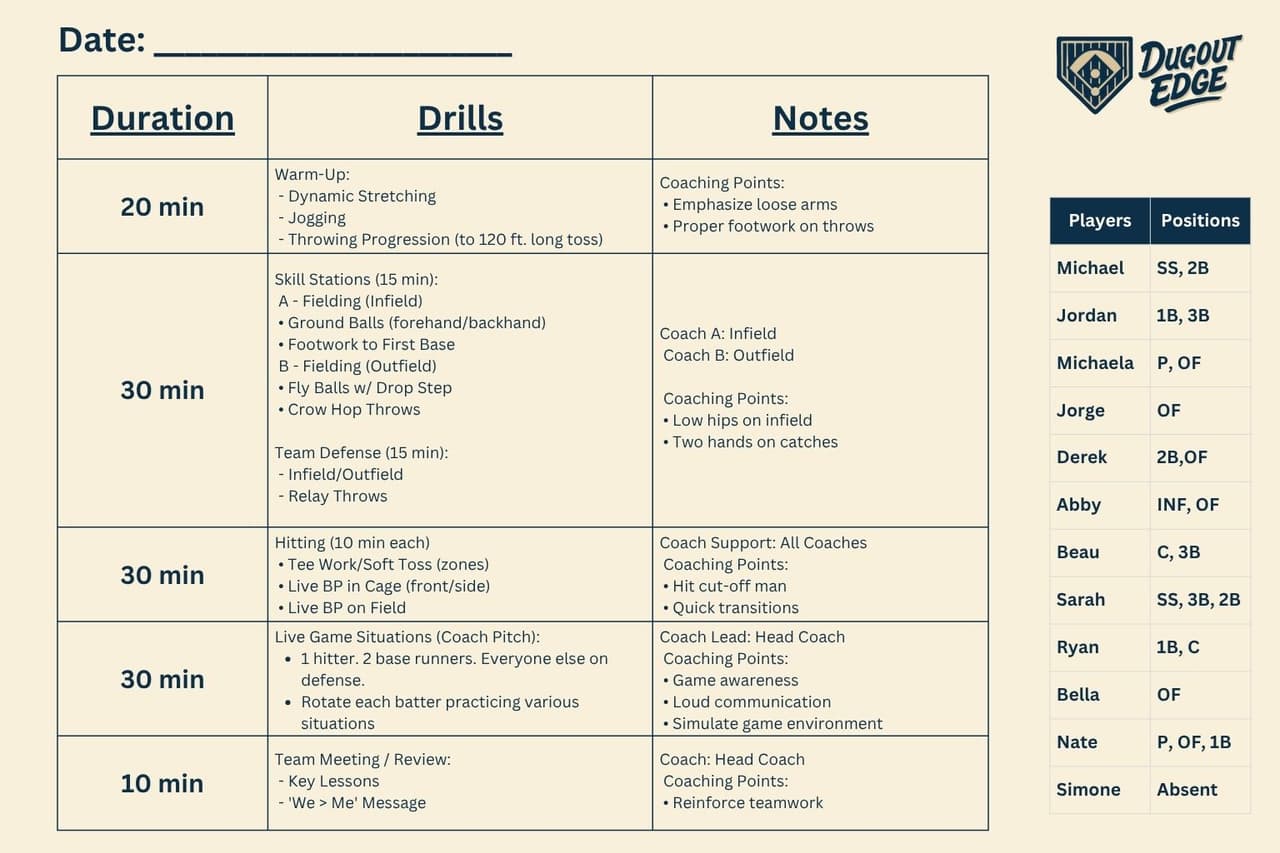
Planning effective youth baseball and softball practices is one of the biggest challenges coaches face each season. You want to develop skills, keep players engaged, and make the most of your limited field time, all while juggling work, family, and parents getting in your ear about more playing time.
The good news? Creating great practices doesn't have to take hours of planning. Keep reading for proven methods and strategies to simplify the process of planning a youth baseball practice.
We'll walk through proven structures, age-appropriate drills, and the different resources that top youth programs use to maximize player development. Plus, we'll introduce you to tools that can cut your planning time from hours to minutes.
The Easiest Way to Plan Youth Baseball Practice
Before we dive into practice structure and methodology, let's talk about the tools that make all of this simple - especially if you're new to coaching or didn't grow up playing baseball yourself. It's 2026 and there are tools custom built for baseball coaches so that they don't need to spend hours writing down practices by hand and trying to remember the best drills all from memory.
By far, the best free practice planning software is this Practice Planner which comes with 40+ free drills, and premium opens our full Drill Library of 270+ drills inside it. These tools are serious time-savers specifically for coaches who want to run professional-quality practices without the headache. The best part is that they won't cost you a dime to use either. For the most serious coaches, there are certain features available for use for purchase.
What You Get with the Practice Planner
Over 100 drills with complete instructions, Every drill includes step-by-step instructions, recommended age groups, equipment needed, and coaching tips. You don't need to know the drill already, we teach you how to run it.
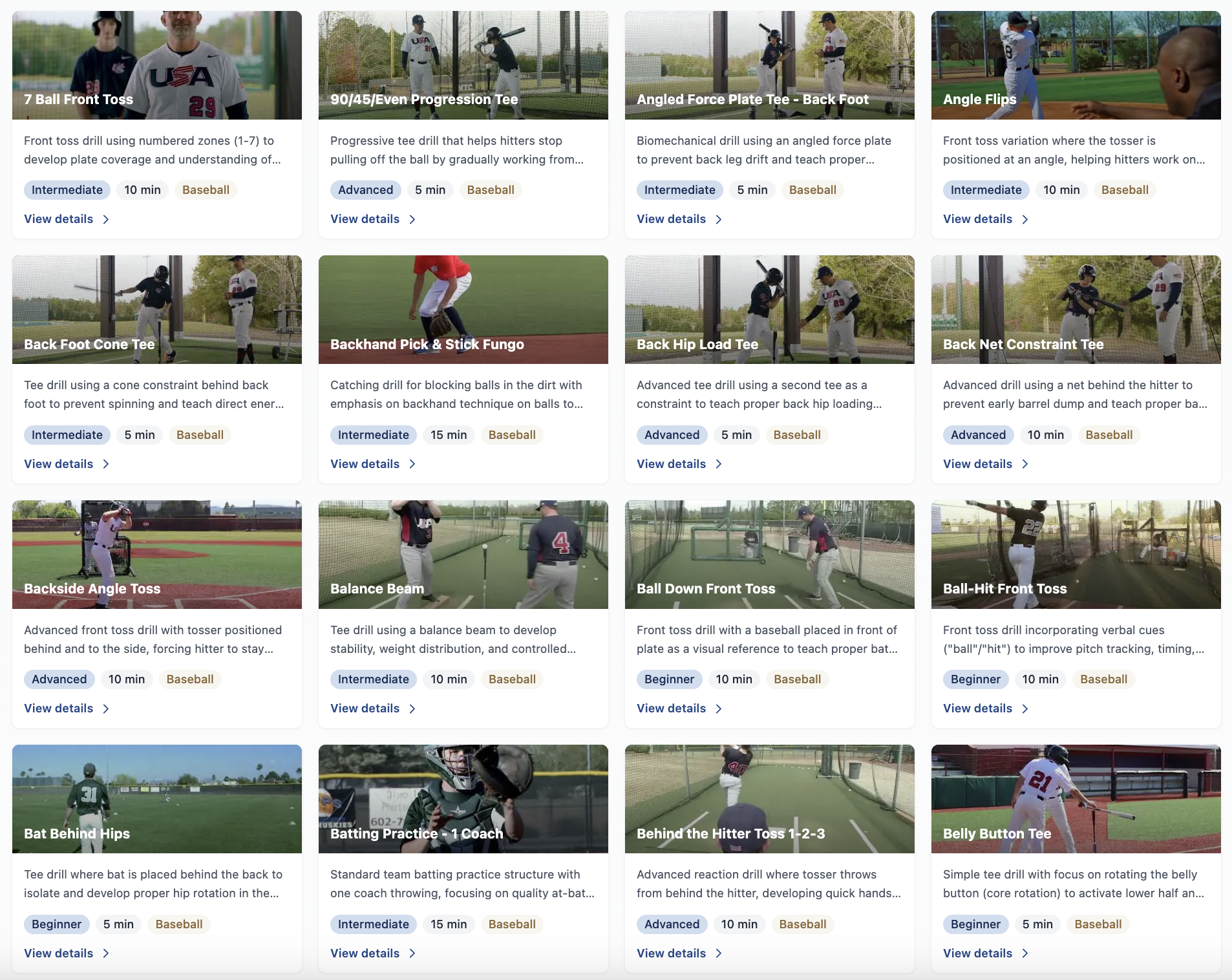
Video demonstrations, Most drills include embedded video showing exactly how to set up and run the drill. Watch once, then teach your players with confidence.
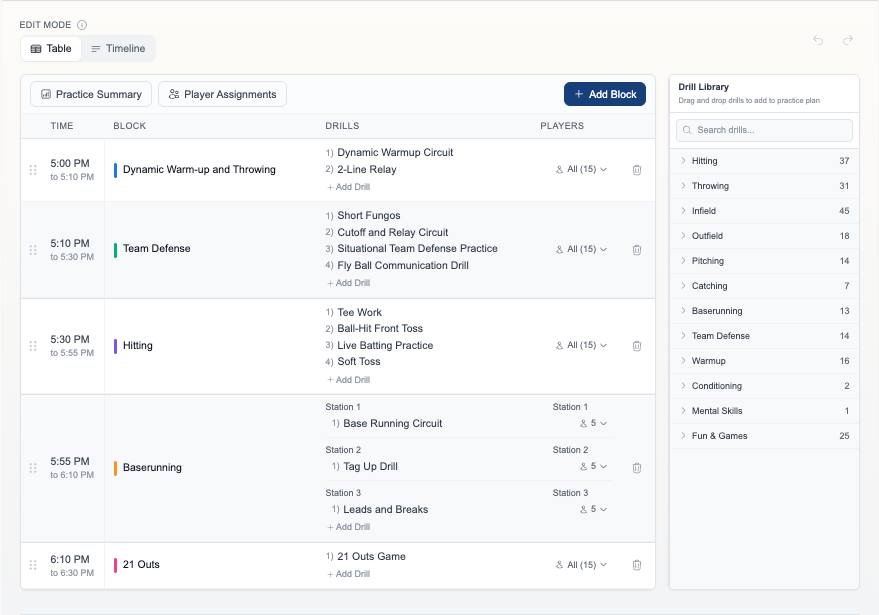
Drag-and-drop practice builder, Simply drag drills onto your practice timeline. Reorder them, adjust durations, and see your complete schedule come together in real time.
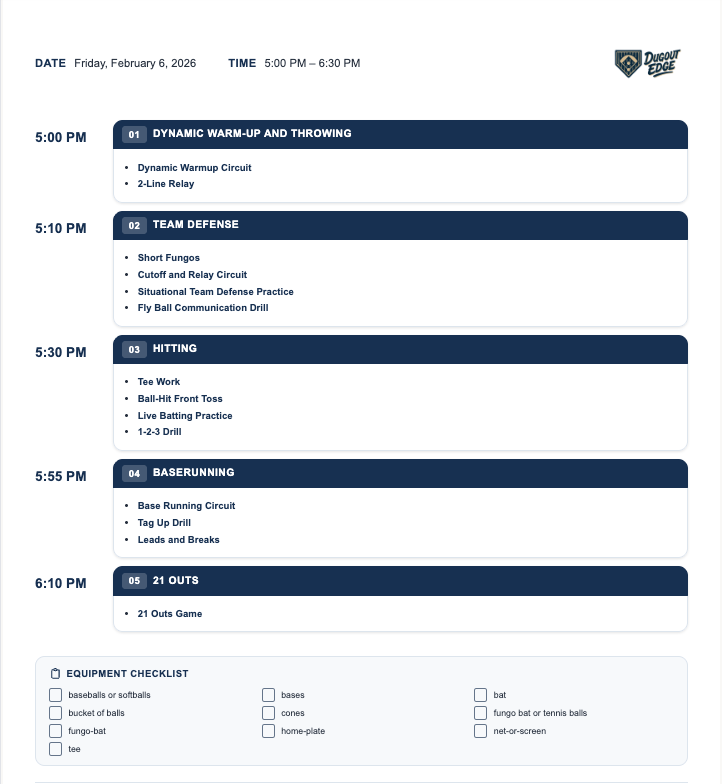
Print-ready PDF export, When your practice is ready, export it as a clean PDF. Print it out, post it in the dugout, or hand copies to your assistant coaches so everyone knows the plan.
Email it to yourself, Send the practice plan directly to your inbox. Pull it up on your phone at the field, no printing required.
Start from a Template
Don't want to start from scratch? Browse our practice plan templates organized by age group and focus area. Find a template that matches your team, then customize it for your specific needs.
Templates give you a complete practice structure, warmups, skill blocks, and game situations, that you can use as-is or modify. It's like having an experienced coach hand you their playbook.
Perfect for First-Time Coaches
Here's the truth: you don't need to be a baseball expert to run great practices. The Practice Planner was designed specifically for coaches who are learning alongside their players.
Every drill includes:
- Clear setup instructions, How to position players and equipment
- Step-by-step execution, What to say and do
- Common mistakes to watch for, So you can coach corrections
- Variations by age, Simplified versions for younger players
- Equipment checklist, Know exactly what to bring
Why Practice Planning Matters More Than You Think
Research from the Positive Coaching Alliance shows that well-structured practices with clear objectives lead to 40% better skill retention compared to unstructured approaches. But the benefits go beyond just skill development.
The Hidden Costs of Poor Practice Planning
When practices are disorganized, coaches face a cascade of problems:
- Players stand around waiting, Kids get bored, distracted, and stop learning
- Skills get neglected, Without a plan, hitting always wins over defense
- Time runs out, Important fundamentals get skipped when you're "just winging it"
- Player dropoff increases, The Aspen Institute's Project Play reports that 70% of kids quit youth sports by age 13, with "lack of fun" being the top reason
What Great Practices Have in Common
After working with hundreds of youth coaches, we've identified the patterns that separate good practices from great ones:
- Every minute is accounted for, No dead time, no confusion about what's next
- High rep counts, Players are actively engaged, not watching others
- Age-appropriate progressions, Drills match developmental stages
- Balance across skills, Hitting, fielding, throwing, and baserunning all get attention
- Fun is built in, Competition, games, and variety keep energy high
The Station-Based Approach: Your Secret Weapon
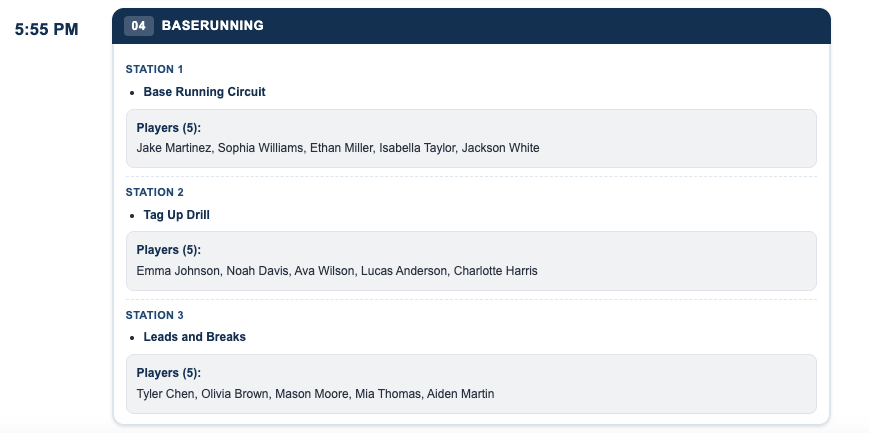
If there's one technique that transforms youth practices, it's the station-based approach. Instead of running one drill at a time with 12 kids waiting in line, you split players into small groups that rotate through multiple stations simultaneously.
Why Stations Work
Consider a traditional batting practice setup: one player hits while 11 others stand in the field, waiting for their turn. Each player might get 10 swings over 30 minutes.
Now imagine a station-based setup:
- Station 1: Live BP with a coach (3 players)
- Station 2: Soft toss (3 players)
- Station 3: Tee work with video feedback (3 players)
- Station 4: Baserunning circuit (3 players)
In the same 30 minutes, players rotate through all four stations, getting 4x the reps and working on multiple skills. That's the power of stations.
How to Set Up Effective Stations
When planning station-based practices, consider these factors:
Space requirements, Map out your field before practice. Identify where each station will go without interference.
Equipment needs, Make a checklist: How many balls, tees, L-screens, and cones do you need at each station?
Supervision, Each station needs adult oversight. Recruit parent helpers and assign them specific stations in advance.
Timing, Use a loud whistle or air horn to signal rotations. Keep transitions to 60 seconds or less.
Station balance, Mix active stations (baserunning, fielding) with skill stations (hitting, catching) so players aren't doing similar movements back-to-back.
Sample Station Layouts by Team Size
8-10 Players (Small Team)
- 2-3 players per station
- 3-4 stations total
- 8-10 minute rotations
11-14 Players (Average Team)
- 3-4 players per station
- 4-5 stations total
- 8-10 minute rotations
15+ Players (Large Team)
- 4-5 players per station
- 5-6 stations total
- Consider running offense/defense split sessions
Essential Components of Every Practice
No matter your team's age or skill level, every effective practice includes these core building blocks. The key is adjusting the time and complexity for your players.
1. Team Huddle & Goal Setting (5 minutes)
Start every practice by gathering the team. This isn't just logistics, it's culture building.
What to include:
- Quick welcome and attendance check
- Today's practice focus (1-2 key skills)
- Any announcements or schedule updates
- Positive energy and excitement for the work ahead
Pro tip: Print your practice plan and post it in the dugout. Kids love seeing the schedule and knowing what's coming next.

2. Dynamic Warm-Up & Throwing (10-15 minutes)
A proper warm-up prevents injuries and prepares players mentally for practice.
Warm-up progression:
- Light jog around the bases or outfield
- Dynamic stretches (leg swings, arm circles, walking lunges)
- Short sprints (2-3 at 75% effort)
Throwing progression:
- Start close (15-20 feet), focus on mechanics
- Gradually increase distance with each throw
- Finish at max comfortable distance (4-5 throws)
- Emphasize arm care, don't tire arms before drills
3. Skill Development, Defense (25-35 minutes)
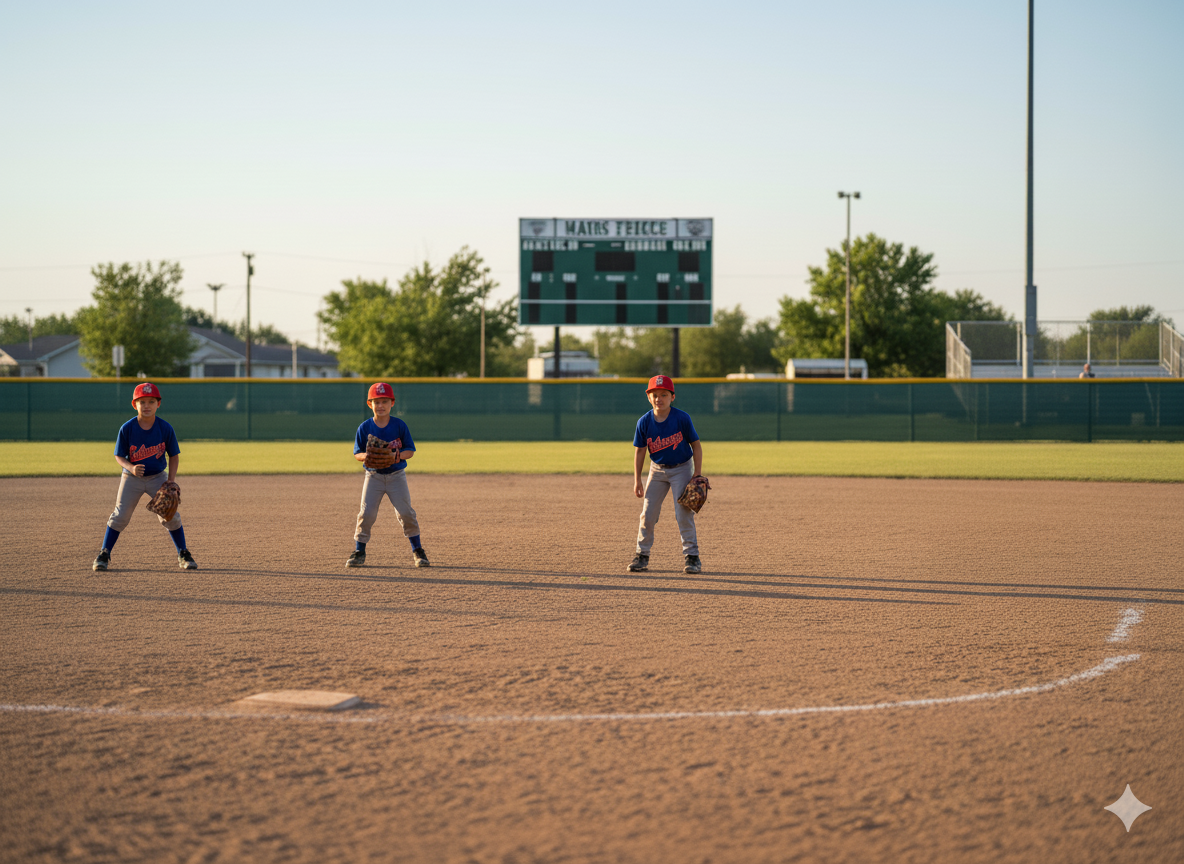
Defense wins championships, but it's often the first thing coaches skip when time runs short. Front-load your defensive work.
Infield priorities:
- Fielding ground balls (routine, backhand, slow rollers)
- Throwing to all bases (not just first)
- Double play feeds and turns (for older players)
- Pop fly communication
Outfield priorities:
- Fly ball reads (back, in, left, right)
- Charging ground balls
- Throwing to cutoffs
- Backing up bases
Pitcher/Catcher work:
- Bullpen sessions (for pitchers scheduled to throw)
- Blocking drills for catchers
- Fielding bunts and comebackers
- Pickoff plays
4. Skill Development, Hitting (25-35 minutes)
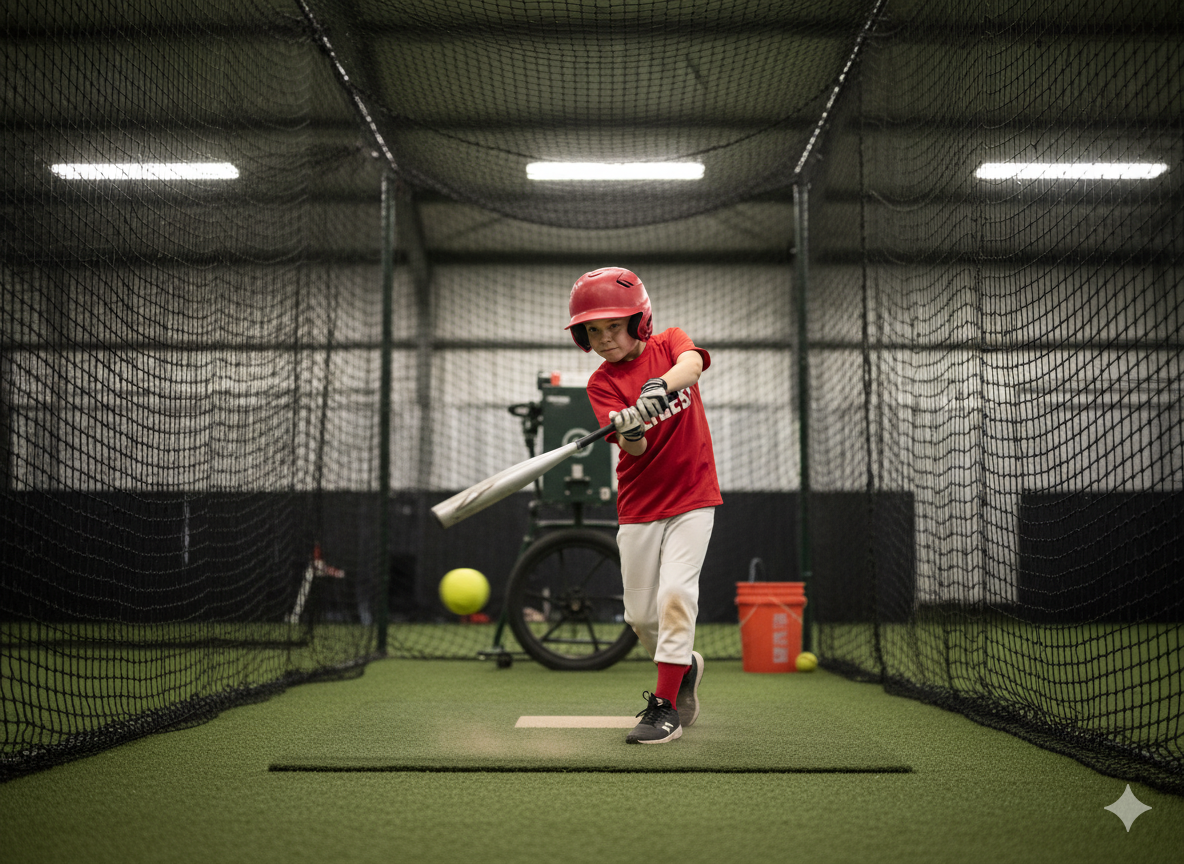
This is where station-based practice shines. Set up 3-5 hitting stations and rotate players through each one.
Essential hitting stations:
- Live BP, Coach or machine pitching (most valuable)
- Soft toss, Front or side toss for swing mechanics
- Tee work, Focus on specific swing positions
- Dry swings/mirror work, Mechanics without a ball
Supporting stations:
- Baserunning circuits
- Video review (use a phone to record swings)
- Bunting practice
5. Game Situations (10-20 minutes)
This is where offense and defense come together. Scripted situations teach decision-making you can't replicate in isolated drills.
How to run situational work:
- Announce the scenario: "Runner on second, one out, fly ball to center"
- Position players on both offense and defense
- Execute the play at game speed
- Freeze to discuss if needed, then move on
- Rotate who fields and who runs
Situations to practice:
- Runner on third with less than two outs (infield in/back)
- Double play depth with runner on first
- Cutoff and relay plays
- First and third defense
- Bunt defense
6. Cool-Down & Wrap-Up (5-10 minutes)
End every practice with intention. This is your last chance to reinforce learning and send players home feeling good.
What to include:
- Light stretching
- Quick recap: "What did we work on today?"
- Highlight 2-3 players who showed great effort or improvement
- Preview next practice or upcoming game
- Team cheer and dismissal
Age-Specific Practice Tips
What works for 12-year-olds will frustrate 6-year-olds, and what engages T-ballers will bore middle schoolers. Here's how to adjust your approach.
Ages 4-6 (T-Ball)
Attention span: 5-10 minutes per activity
Focus areas:
- Basic throwing and catching
- Batting off a tee
- Running the bases in order
- Having FUN above all else
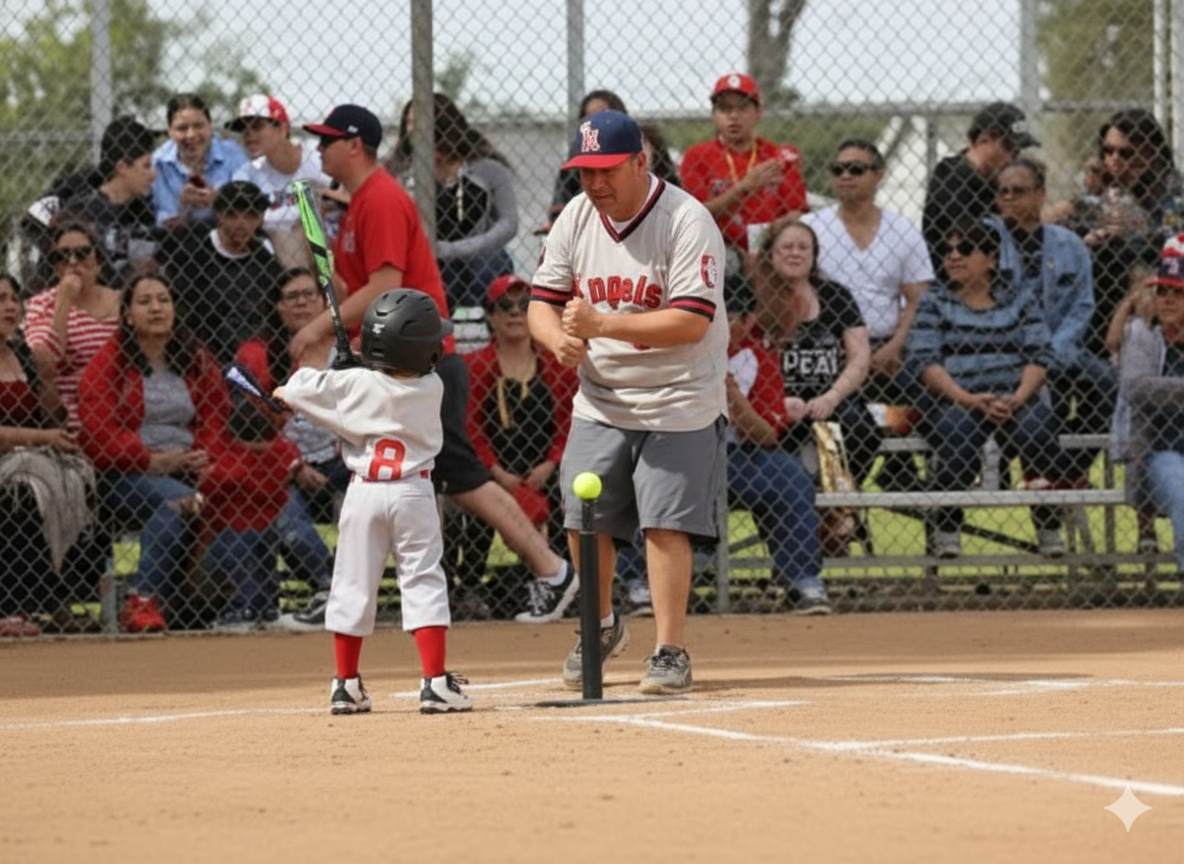
Practice tips:
- Keep everything game-like and competitive
- Use lots of movement, minimize standing in lines
- Celebrate effort, not outcomes
- Keep total practice time to 45-60 minutes max
- Use parent helpers liberally
Sample practice structure:
- 10 min: Tag games, relay races (warm-up disguised as games)
- 15 min: Hitting stations (tee only, 3-4 swings then rotate)
- 15 min: Fielding games (roll grounders, fly balls with tennis balls)
- 10 min: Base running relay races
Ages 7-8 (Coach Pitch)
Attention span: 10-15 minutes per activity
Focus areas:
- Tracking and hitting pitched balls
- Proper throwing mechanics
- Fielding ground balls and pop flies
- Understanding positions
Practice tips:
- Start teaching proper techniques, but keep reps high
- Use smaller groups (3-4 kids per station)
- Introduce competition between groups
- Practice time: 60-75 minutes
Ages 9-10 (Kid Pitch Introduction)
Attention span: 15-20 minutes per activity
Focus areas:
- Hitting off kid pitching (timing, pitch recognition)
- Pitching mechanics and control
- Position-specific skills
- Game situations and baseball IQ
Practice tips:
- Players can run stations with less supervision
- Introduce video feedback for hitting
- Start teaching situational baseball
- Practice time: 75-90 minutes
Ages 11-12 (Little League Majors)
Attention span: 20-25 minutes per activity
Focus areas:
- Advanced hitting (opposite field, situational hitting)
- Pitching secondary pitches safely
- Double plays, cutoffs, and relays
- Mental game and pressure situations
Practice tips:
- Players can lead warm-ups and stations
- Use game film for learning
- Simulate game pressure in practice
- Practice time: 90-120 minutes
Ages 13+ (Middle School and Travel)
Attention span: 25-30+ minutes per activity
Focus areas:
- Position specialization
- Advanced pitching development
- Situational mastery
- Strength, conditioning, and arm care
Practice tips:
- Players take ownership of their development
- Incorporate strength and conditioning
- Video analysis is standard
- Practice time: 120+ minutes
Sample Practice Plan: 90-Minute Little League Practice
Here's a complete, ready-to-use practice plan you can adapt for your team. This example is designed for a 12-player Little League team (ages 9-12) with 2-3 coaches.
Pre-Practice Setup (Arrive 15 minutes early)
- Set up 4 hitting stations: live BP, soft toss, tee work, dry swings
- Place cones for baserunning circuit
- Prepare batting helmets and equipment at each station
- Set up infield/outfield drill areas
Practice Schedule
5:00-5:05, Team Huddle (5 min)
- Welcome, today's focus: "first-pitch swings and fielding ground balls cleanly"
- Announce station groups and rotation order
5:05-5:15, Warm-Up (10 min)
- Jog to center field and back
- Dynamic stretching led by a player
- Partner throwing: start at 30 feet, back up with each throw
5:15-5:40, Defense Stations (25 min) Split into 3 groups of 4:
- Group A: Infield ground balls (coach hitting fungos)
- Group B: Outfield fly balls and ground balls
- Group C: Pitchers/catchers work (bullpen or drills) Rotate every 8 minutes
5:40-6:10, Hitting Stations (30 min) Split into 4 groups of 3:
- Station 1: Live BP (coach pitching, 10 swings each)
- Station 2: Front soft toss (parent helper)
- Station 3: Tee work (focus on low pitches)
- Station 4: Baserunning circuit (home to second, practice turns) Rotate every 7-8 minutes
6:10-6:25, Game Situations (15 min)
- Scenario 1: Runner on 2nd, no outs, ground ball to short
- Scenario 2: Runner on 3rd, 1 out, fly ball to left
- Scenario 3: Runners on 1st and 3rd, bunt in play
- Scenario 4: Bases loaded, ground ball to third
6:25-6:30, Wrap-Up (5 min)
- Quick stretch
- Highlight 3 players who showed great effort
- Preview next game/practice
- Team cheer
Common Practice Planning Mistakes to Avoid
Even experienced coaches fall into these traps. Be aware of them and plan accordingly.
1. Too Much Standing Around
The problem: Players spend more time waiting than playing. The fix: Use stations. If players are in line more than 30 seconds, add another station or group.
2. All Hitting, No Defense
The problem: Hitting is fun, so defense gets rushed or skipped. The fix: Front-load defense in your practice plan. Do it first when energy is high.
3. Same Drills Every Practice
The problem: Players get bored, stop improving. The fix: Rotate in new drills regularly. Use a drill library to find fresh ideas.
4. No Time for Game Situations
The problem: Players excel in drills but freeze in games. The fix: Always save 15-20 minutes for situational work. This is where baseball IQ develops.
5. Running Out of Time
The problem: You planned too much and had to cut important work. The fix: Use a timer and stick to your schedule. It's better to do fewer things well.
Making Practice Planning a Habit
The best coaches treat practice planning like any other essential task, it happens on a schedule, not when they "find time."
Build Your Planning Routine
- Set a recurring calendar reminder, Tuesday night for Thursday practice, for example
- Keep a running list of skills to work on, Note what broke down in games
- Have a library of go-to drills, You don't need to create new ones every week
- Use templates, Start with a proven structure and adjust
Track What Works
After each practice, take 2 minutes to note:
- Which drills engaged players most
- What took longer than expected
- What you should repeat next time
- What you should skip or modify
Over the season, you'll build a playbook of what works for your specific team.
Get Started Today
You now have everything you need to plan and run effective youth baseball and softball practices for the 2026 season:
- A proven practice structure that maximizes player development
- The station-based approach for 4x more reps
- Age-specific tips for every developmental stage
- Sample practice plans you can use immediately
- Free tools to cut your planning time dramatically
The only thing left is to start. Open the Practice Planner, build your first practice, and see how much easier coaching can be when you have a plan.
Have questions about practice planning or coaching youth baseball? Reach out to us, we're coaches too, and we're always happy to help.
Related Resources
- Complete Guide to Running a Youth Baseball Practice
- 10 Fun Drills to Keep Youth Baseball Players Engaged
- How to Coach Youth Baseball If You've Never Played Before
- Coaching Handbook
- Drill Library
Related Documentation
Learn how to use the Dugout Edge practice planning tools:
- Using the Practice Planner - Complete guide to building effective practices
- Building Station-Based Practices - Set up rotations and maximize engagement
- Adding Drills to Practice - Navigate and customize the drill library
- Saving & Reusing Plans - Create templates for future practices
- Sharing Practice Plans - Export and share with coaches and parents
About the Author
A team of youth baseball and softball coaches dedicated to helping coaches run better practices and develop young players.
Tags
Build Your Practice Plan Now
Use the Dugout Edge Practice Planner to build a time-blocked practice with drills, concurrent stations, and a printable PDF — in about 5 minutes.
Open the Practice Planner