How to Coach Youth Baseball if You've Never Played Before
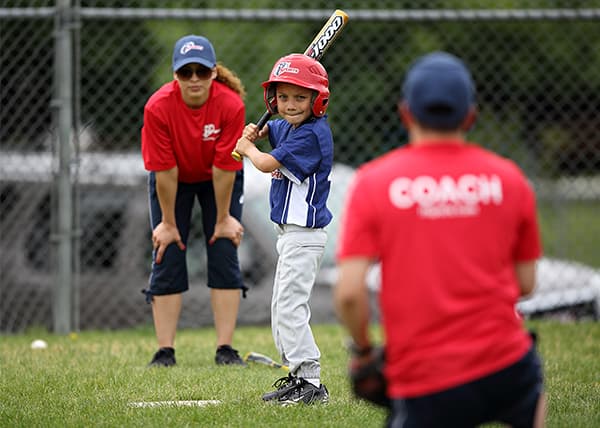
So your child wants to play baseball, and somehow you've found yourself volunteering, or being volunteered, as the team coach. There's just one small problem: you've never played baseball before. Maybe you didn't grow up with the sport, or maybe you played something else entirely. Now you're wondering if you're qualified to coach a team of eager kids who are counting on you.
Here's the truth: you absolutely can be an excellent youth baseball coach without having played the game yourself. In fact, some of the best youth coaches are those who bring fresh enthusiasm, organizational skills, and a genuine desire to help kids learn and have fun. Playing experience helps, but it's not required.
According to the Positive Coaching Alliance, the most important qualities in a youth sports coach aren't technical expertise, they're enthusiasm, organization, patience, and a focus on player development over winning. These are qualities anyone can develop, regardless of their playing background.
This comprehensive guide will walk you through everything you need to know to coach youth baseball with confidence, from your first practice to creating a positive, development-focused culture that kids will love.
Your Mindset as a First-Time Coach
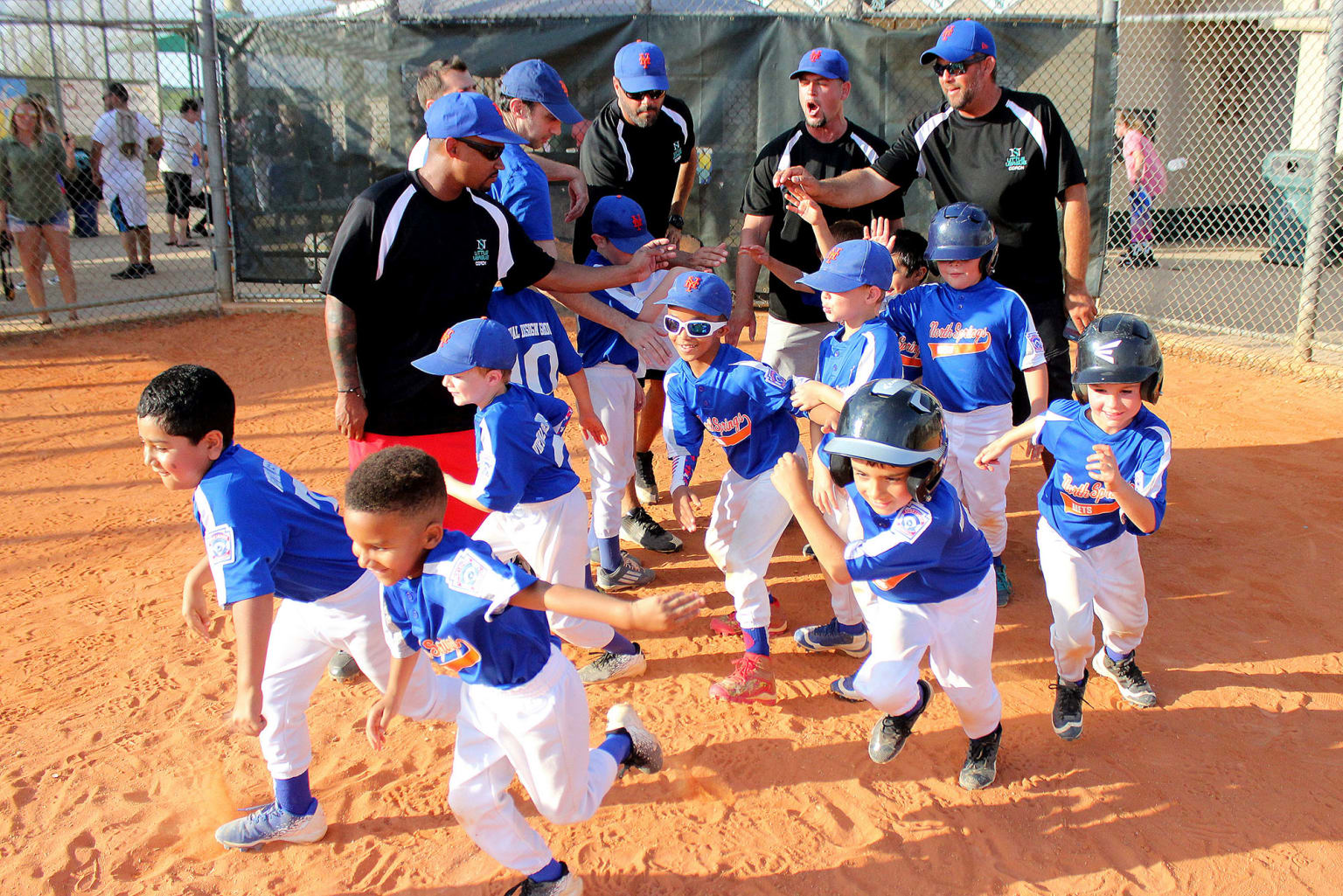
Before we dive into X's and O's, let's address your mental game as a coach. Having the right mindset is just as important as knowing drills and skills. You may feel uncertain or out of place, but remember, your presence and effort already mean a lot to your players. Embracing a learning attitude and a willingness to grow will set a positive example for your team. Confidence comes from preparation and caring, not from having all the answers. Let's make sure you feel ready to lead, learn, and inspire, even if you're brand new to the game.
You're Not an Imposter
First-time coaches often experience imposter syndrome: "Who am I to teach baseball when I've never played?" Here's what to remember:
- Kids at this level need enthusiasm more than expertise - Your energy and positive attitude matter more than knowing every advanced technique
- You'll learn alongside your players - Teaching is one of the best ways to learn; you'll grow every practice
- Your organizational skills are valuable - Running efficient practices and managing a roster are skills many ex-players lack
- Being relatable is powerful - Kids sometimes connect better with coaches who are learning too, rather than those who've "always known everything"
Here at Dugout Edge, we're dedicated to growing the game of baseball and helping coaches just like yourself succeed. Hear from other first-time coaches who've been in your exact situation, you're in good company. Take a deep breath and read on.
Your Three Core Responsibilities
As a youth baseball coach, you have three primary jobs, and winning isn't one of them:
- Keep Players Safe - Physical safety is non-negotiable; learn proper warm-ups, age-appropriate drills, and basic first aid
- Make It Fun - Kids quit sports when they stop having fun; according to research from the Aspen Institute, 70% of kids quit youth sports by age 13 primarily because "it's not fun anymore"
- Teach Fundamentals - Focus on basic skills (throwing, catching, hitting, baserunning); perfection isn't the goal, improvement is
Everything else, tactics, winning strategies, advanced techniques, is secondary for youth baseball.
Setting Realistic Expectations
Your first season will have challenges. You'll make mistakes. You'll forget the lineup, mix up signals, or explain a drill poorly. That's completely normal. Every experienced coach started exactly where you are now.
Set these goals for yourself:
- Every player improves at least one skill by season's end
- Every player has fun and wants to return next season
- Every player gets equal opportunities to play and learn
- You learn enough to feel more confident next season
Notice what's missing? Winning. Winning is a bonus, not the objective at the youth level.
Quick Confidence Booster
You don't need to be an expert. You just need to be:
- Organized - Have a plan for each practice
- Enthusiastic - Show genuine excitement for the game
- Patient - Kids learn at different speeds
- Positive - Celebrate effort and improvement
- Resourceful - Use tools like our Practice Planner to fill knowledge gaps
Your Very First Practice: A Complete Blueprint for Beginners
The first three practices set the tone for your entire season. Here's exactly what to do, minute by minute.
Practice 1: Welcome & Basics (60 minutes)
Objective: Get to know players, establish expectations, introduce very basic skills
Arrival & Welcome (10 minutes)
- Greet each player by name (nametags are still cool!)
- Have players introduce themselves: name, favorite thing besides baseball
- Quick team meeting: "We're here to have fun, get better, and be good teammates"
- Explain 2-3 simple rules: "Listen when coach talks, try your best, encourage teammates"
Pro Tip: Set up a simple "Parent Meet & Greet" at the very start. Invite parents to hang out near the field for the first 10 minutes, introduce yourself, outline your plan, and encourage them to cheer on the kids. Ask if anyone wants to help volunteer - the more the merrier. This makes families feel included and builds trust early!
Fun Warmup Ideas (5 minutes)
- Start with some running around the bases to get kids warmed up and ready to run. Kids love running the bases. Have them pretend to hit a homerun!
- Try "Sharks and Minnows": All players line up on one baseline (minnows) while you or an assistant coach is the "shark" in the middle. On your signal, minnows try to run to the opposite baseline without being tagged by the shark. Anyone tagged joins the shark for the next round. Kids love this game and it gets them laughing, sprinting, and warmed up!
Basic Throwing Introduction (15 minutes)
- Partner up players (you or assistants partner with extras)
- Start at 10-15 feet apart
- Focus on just ONE cue: "Step toward your partner"
- Let them throw back and forth
- Gradually increase distance if they're successful
- Don't overcoach, let them feel the natural motion
Basic Catching Introduction (15 minutes)
- "Two hands, give with the ball" - that's your only teaching point
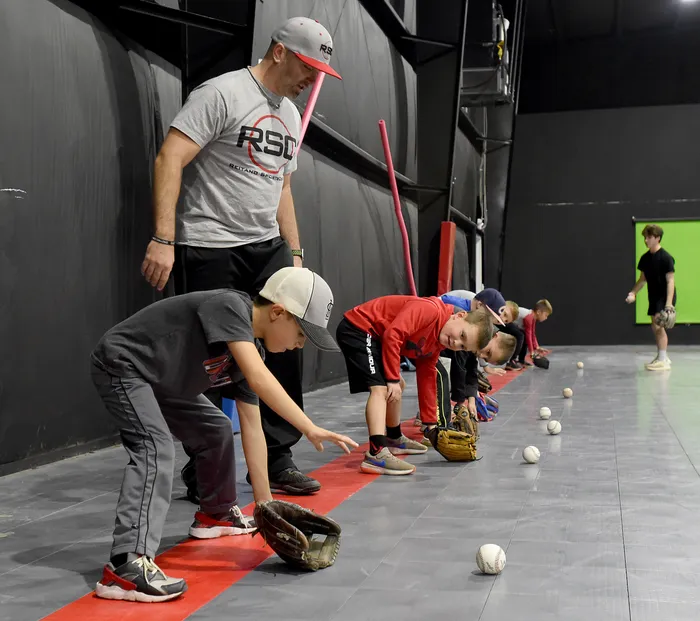
- Roll balls on the ground first (easier than fly balls)
- Progress to gentle underhand tosses
- Celebrate every catch enthusiastically
Fun Hitting Game (10 minutes)
- Use tees or coach soft-toss
- No mechanics instruction yet
- Just let kids swing and hit
- Make it a game: "How many balls can you hit into the outfield?"
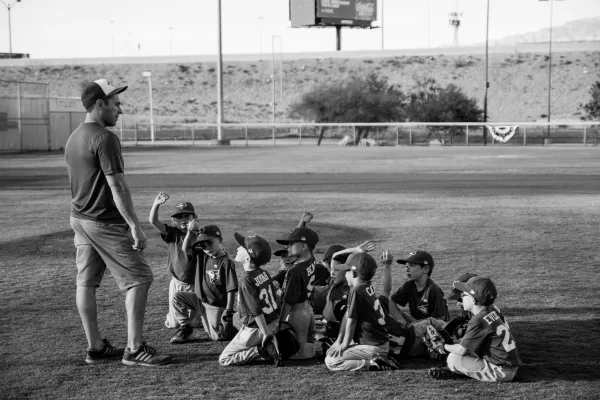
Cool Down & Wrap-Up (5 minutes)
- Quick "huddle up"
- "What was the most fun today?" - get a few answers
- "Next practice we'll do more hitting and fielding"
- Team cheer "1,2,3 Cardinals!"
Core Skills to Teach (In Order of Priority)
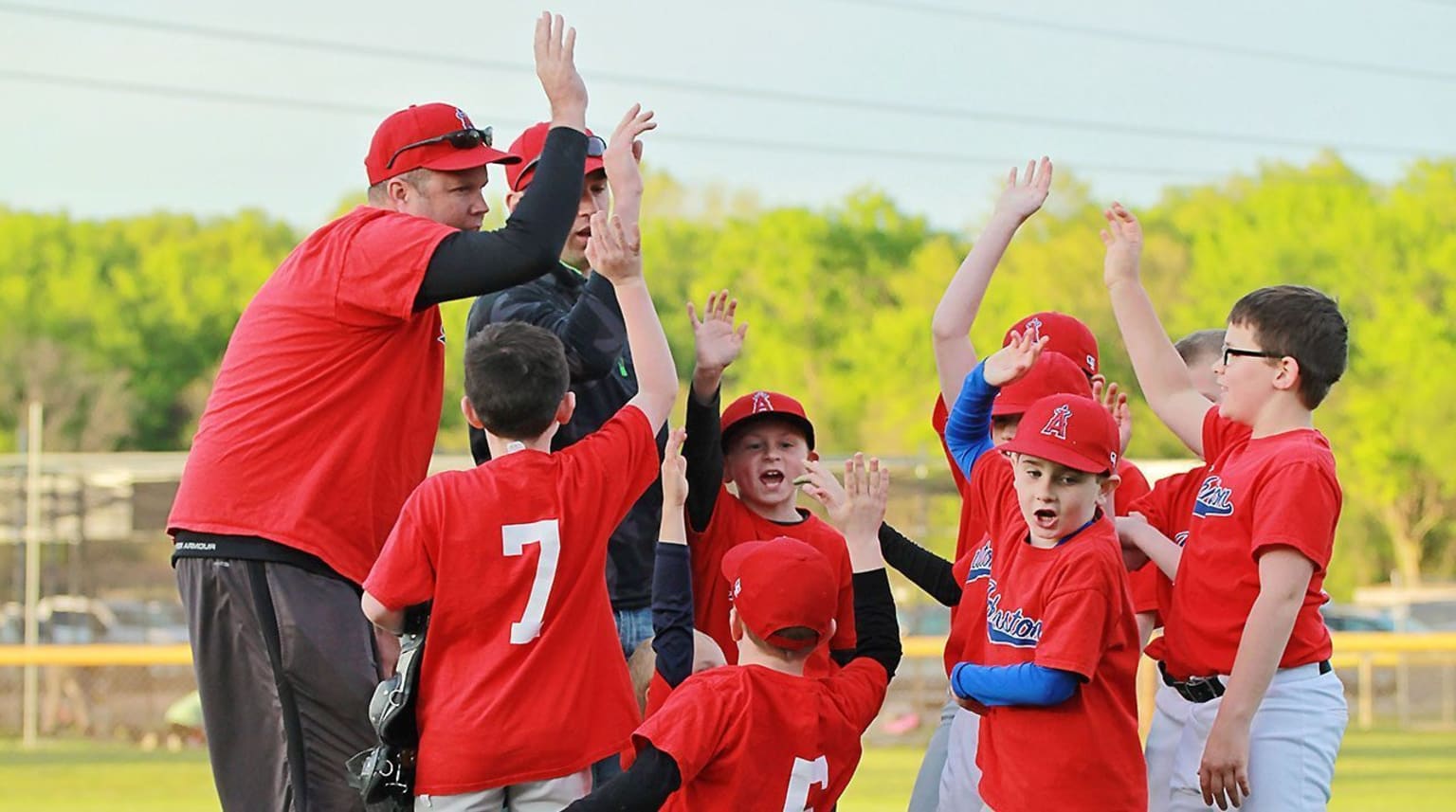
As a new coach, you can't teach everything at once. Focus on these skills in this order:
1. Throwing Mechanics (Highest Priority)
Why It Matters: Poor throwing mechanics lead to injuries and inaccuracy
How to Teach It (3 simple cues):
- Grip: "Two fingers across the seams (fastball" class="glossary-link">four seam fastball), thumb underneath"
- Step: "Step toward your target with your front foot"
- Follow through: "Your throwing hand should end up by your opposite knee"
Common Mistakes:
- Stepping with the wrong foot (same side as throwing arm)
- All arm, no body rotation
- Gripping ball in palm instead of fingers
Drills:
- Partner throwing at increasing distances
- Wall throws (throw against a wall, focus on mechanics)
- Target practice (throw at cones or buckets)
2. Catching Fundamentals
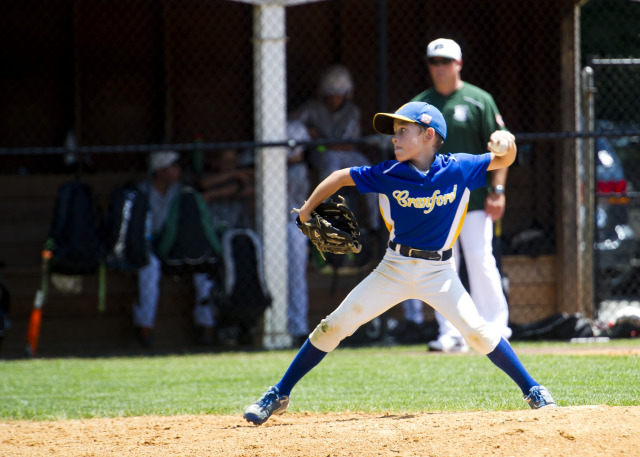
Why It Matters: Confident catchers make better fielders and have more fun
How to Teach It (2 simple cues):
- Two hands: "Always use both hands to secure the ball"
- Give with the ball: "Let your hands move back toward your body when the ball hits the glove"
Progression:
- Week 1-2: Rolled ground balls
- Week 3-4: Gentle underhand tosses
- Week 5-6: Overhand throws (easy)
- Week 7+: Fly balls (start low, increase height)
Common Mistakes:
- One-handed catches (ball pops out)
- Stiff arms (doesn't absorb impact)
- Taking eyes off the ball
Drills:
- Partner catch progression
- "Alligator catches" - clap hands around the ball
- Bucket catches - toss balls into glove already in bucket
3. Hitting Stance & Swing Basics
Why It Matters: Hitting is what kids want to do most; make it accessible
How to Teach It (4 simple cues):
- Stance: "Feet shoulder-width apart, bend your knees slightly"
- Grip: "Hands together on the bat, line up the knocking knuckles"
- Eyes: "Watch the ball all the way to the bat"
- Swing: "Swing level, try to hit the ball where it's pitched"
Don't Teach (too advanced for beginners):
- Weight transfer mechanics
- Hip rotation details
- Stride timing
- Pitch selection
Progression:
- Tee work for everyone (builds confidence)
- Coach soft-toss (control the pitch)
- Coach slow pitch (more game-like)
- Hitting off other kids' pitching (only if age-appropriate)
Drills:
- Tee to target (aim for specific zones)
- Soft-toss rapid fire (volume of swings)
- Color ball drill (different colored balls, call which to hit)
4. Base Running Basics
Why It Matters: Good baserunning creates runs without needing perfect hits
How to Teach It (3 simple rules):
- Run through first base: "Don't slow down before you touch the bag"
- Turn to the right: "After touching first, turn toward foul territory, not the infield"
- Look at the coach: "When rounding bases, watch the base coach for signals"
Common Mistakes:
- Slowing down before first base
- Looking at the ball while running
- Not knowing when to stop or advance
Drills:
- Home-to-first sprints (repetition)
- First-to-third practice (proper turns)
- Relay races (make it fun)
5. Basic Fielding Positions
Why It Matters: Kids need to know where to stand and basic responsibilities
How to Teach It:
- Walk the field with the whole team
- Stand at each position and explain in one sentence
- Have each kid try multiple positions
- Don't lock kids into positions early, rotate constantly
Simple Position Responsibilities:
- Pitcher: Throws strikes
- Catcher: Catches pitches, backs up first base
- 1B: Catches throws to get runners out
- 2B/SS: Field ground balls in the middle of the infield
- 3B: Field hard-hit balls down the line
- Outfield: Catch fly balls, back up bases
Don't overwhelm with cutoffs, relays, or complex defensive strategies. Those come later (or never, depending on age level).
Common Pitfalls to Avoid
Even with the best intentions, new coaches make these mistakes. Here's how to avoid them:
1. Overloading Players with Instruction
The Problem: Trying to teach everything at once overwhelms kids
Example: "Okay, when you catch the ball, make sure your feet are positioned properly, your glove is angled correctly, your throwing hand is ready to grip it, you're bending your knees, watching the ball, and already thinking about where to throw..."
The Solution: ONE coaching cue at a time. Master that, then add the next.
Better Approach: Week 1: "Use two hands." Week 2: "Use two hands and give with the ball." Week 3: Add the next cue.
2. Creating Long Lines with Kids Waiting
The Problem: 10 kids in one line, each getting one ground ball every 5 minutes = boredom and misbehavior
The Solution: Multiple stations running simultaneously
Better Approach:
- Split team into 3-4 groups
- Each group has a different activity
- Rotate every 10-12 minutes
- Every kid is active, minimal waiting
3. Inconsistent Coaching Cues
The Problem: Telling one kid "Keep your elbow up" and another kid "Relax your arms" mixed messages confuse everyone
The Solution: Pick ONE way to teach each skill and stick to it all season
Better Approach: Write down your coaching cues for each skill. Use the same language every time. This creates clarity and consistency.
4. Comparing Players Publicly
The Problem: "Why can't you throw like Tommy?" destroys confidence
The Solution: Compare each player to themselves, not others
Better Approach: "Your throw was more accurate than last practice! Nice improvement!"
5. Forgetting the Fun
The Problem: All drills, no games = kids lose interest
The Solution: End every practice with something fun
Better Approach:
- Last 10-15 minutes: scrimmage, relay race, or fun drill
- Make drills game-like when possible
- Celebrate and cheer frequently
- Use our fun drills guide for ideas
Communication Strategies That Work
Talking to Players: Use Simple Language
Instead of: "You need to get your hips through the zone earlier in your swing path" Say: "Turn your belly button toward the pitcher when you swing"
Instead of: "Your release point is inconsistent" Say: "Let go of the ball when your arm is all the way up"
Instead of: "You're not staying athletic in your ready position" Say: "Bend your knees like you're sitting in a chair"
Kids need concrete, visual language. Avoid jargon and complex mechanics.
Creating Repeatable Coaching Cues
Pick a simple phrase for each skill and use it consistently:
- Throwing: "Step and throw"
- Catching: "Two hands, soft glove"
- Hitting: "Hit it right back at the pitcher"
- Fielding: "Get in front, hands out"
- Base running: "Run hard, look at coach"
When everyone hears the same cue repeatedly, it sticks.
Setting Parent Expectations Early
At your first team meeting (before the season starts), address parents directly:
What to Say:
- "My goal is for every player to improve and have fun"
- "I'll do my best to give equal playing time"
- "I'm learning too, I appreciate your patience"
- "If you have concerns, please talk to me privately, not in front of the kids"
- "I welcome parent volunteers to help at practice"
What Not to Say:
- "We're going to win the championship!" (sets wrong expectations)
- "I don't really know what I'm doing" (undermines confidence)
- Anything negative about individual players
When to Ask for Help
Don't be afraid to reach out:
- Other coaches in your league: Most are happy to share advice
- Online communities: Reddit's r/Homeplate, coaching forums, Facebook groups
- YouTube: Search "youth baseball coaching basics" tons of free content
- League coordinators: They've seen hundreds of first-time coaches
- Books/Resources: "Coaching Youth Baseball" by the American Sport Education Program
- Digital tools: Our Practice Planner has built-in drill instructions
You're not expected to know everything. Asking questions shows you care about getting better.
Essential Resources for First-Time Coaches
Free Digital Tools
- Pre-built practice templates by age group
- Drill library with instructions
- Time management tools
- Takes 5 minutes to create a full practice plan
- Creates fair batting orders and position rotations for games
- Tracks playing time automatically
- Handles co-ed league rules
- 270+ drills with video demonstrations
- Organized by skill level
- Printable drill cards
- Common questions about lineup generators and practice planning
- Billing and account information
- Technical support answers
What Equipment You Actually Need

For your first season, keep it simple:
Essential:
- Baseballs (2 dozen for practice)
- Cones (for marking bases and stations)
- Batting tee (at least one)
- First aid kit
- Roster with emergency contacts
Nice to Have:
- Practice nets
- L-screen (for protection during batting practice)
- Bucket of soft-toss balls
- Extra gloves for kids who forget theirs
Don't Need (yet):
- Radar guns
- Video analysis equipment
- Expensive training aids
- Pitching machines (for younger ages)
Learning Resources
Books:
- "Coaching Youth Baseball" - American Sport Education Program
- "The Baseball Drill Book" - American Baseball Coaches Association
- "Positive Coaching" - Jim Thompson
Websites:
- USA Baseball - Official coaching resources
- Positive Coaching Alliance - Coaching philosophy
- Dugout Edge blog - Age-specific coaching tips
YouTube Channels:
- Coach Dan Blewett
- Baseball Youth
- USA Baseball
Frequently Asked Questions for New Coaches
Do I need to take a coaching course?
Not required for most youth leagues, but highly recommended. Many leagues offer free 2-3 hour coaching clinics that cover basics, safety, and concussion protocols. USA Baseball offers an online "Coach Pitch Development Model" course that's excellent for beginners.
What if I don't know the rules of baseball?
Learn them gradually. Know the absolute basics before your first game (3 outs, 4 balls = walk, 3 strikes = out, force plays vs. tag plays). Read your league's specific rulebook, youth leagues have modified rules. Watch games with a knowledgeable friend who can explain in real-time.
How do I handle a kid who won't listen?
First, check if they're bored (drill too simple or too hard). Second, give them a specific role ("You're in charge of collecting equipment"). Third, talk privately: "I need your help to make this fun for everyone." Last resort: involve parents for persistent issues. Never yell or embarrass publicly.
Should I let parents help at practice?
Yes! Having 2-3 parent assistants makes practice much easier. Assign specific roles: "You run the hitting station, you field grounders in this area, you monitor the water break." Give clear instructions. Just make sure they follow your coaching cues, not contradict them.
What if my team is really bad?
Define "bad" differently. If every player improves one skill, learns teamwork, and wants to play again next year, your team was successful. Win-loss record doesn't matter at youth levels. Some seasons you'll have natural athletes, some seasons you won't. Your job is the same either way: teach, encourage, make it fun.
How much practice time do kids need?
For ages 5-8: 1 practice per week (60-75 minutes) is plenty. Ages 9-10: 1-2 practices per week (75-90 minutes). Ages 11-12: 2 practices per week (90 minutes). More than this and you risk burnout. Quality beats quantity, one focused practice beats three chaotic ones.
What about kids with different skill levels?
Group by ability for some drills (easier for hitting and throwing), but mix groups for others (builds mentorship). Advanced players can demonstrate for beginners. Create "challenge levels" within drills: "Level 1: catch from 10 feet. Level 2: catch from 20 feet. Level 3: catch one-handed." Let kids choose their level.
How do I deal with parents who think their kid should pitch/play shortstop/bat cleanup?
Have your playing time philosophy documented and shared at the season start: "Everyone rotates through all positions for development." Show them the data: "Emma has played 12 innings at short, 10 at second, 8 in outfield." If they persist, explain that versatility helps kids long-term. Stand firm but kind.
Your Coaching Journey Starts Here
Congratulations! You've now got a complete blueprint for coaching youth baseball without prior playing experience. Yes, it's intimidating. Yes, you'll make mistakes. But you'll also create memories, help kids discover a love for baseball, and might even surprise yourself with how much you enjoy coaching.
Your First-Season Checklist
Before your first practice:
- ✅ Read your league's rulebook
- ✅ Create your first practice plan using our Practice Planner
- ✅ Email parents with your coaching philosophy and expectations
- ✅ Gather essential equipment
- ✅ Learn players' names (use a cheat sheet if needed)
Before your first game:
- ✅ Create your lineup using the lineup generator
- ✅ Review basic game rules
- ✅ Confirm with parents who's attending
- ✅ Prepare a simple pre-game talk ("Have fun, try hard, be good teammates")
- ✅ Take a deep breath, you've got this!
Remember
- You don't need to be perfect: you need to be present, prepared, and positive
- Kids remember how you made them feel: not whether you knew every rule
- Every experienced coach was once a first-timer: you're in good company
- The fact that you're reading this guide shows you care enough to prepare, which makes you better than many "experienced" coaches who coast on old knowledge
Next Steps
- Create your first practice plan: Try our Practice Planner right now
- Join the community: Connect with other first-time coaches in online forums
- Watch a youth game: See what typical practices and games look like
- Read more: Explore our complete guide to running practices
- Have confidence: You're going to be great
Related Resources
Continue your coaching education:
Related Documentation
Learn how to use the Dugout Edge tools:
- Quick Start Guide - Create your first lineup and practice plan in 10 minutes
- Account Setup - Set up your coaching account and manage teams
- Using the Lineup Generator - Build fair, optimized lineups
- Using the Practice Planner - Plan effective practices with ease
- Adding Drills to Practice - Navigate the drill library
Welcome to the coaching community. You're going to impact kids' lives in ways you can't yet imagine. The fact that you're preparing and learning shows you're already on the path to being a great coach. Your players are lucky to have you.
Have questions or want to share your first-time coaching experience? Leave a comment below, our community of coaches is here to support you!
Tags
Ready to Generate Your Perfect Lineup?
Try our free softball and baseball lineup generator to create balanced, fair lineups in minutes.
Try Free Lineup Generator