15 Pieces of Equipment Every Youth Baseball and Softball Coach Needs in 2026
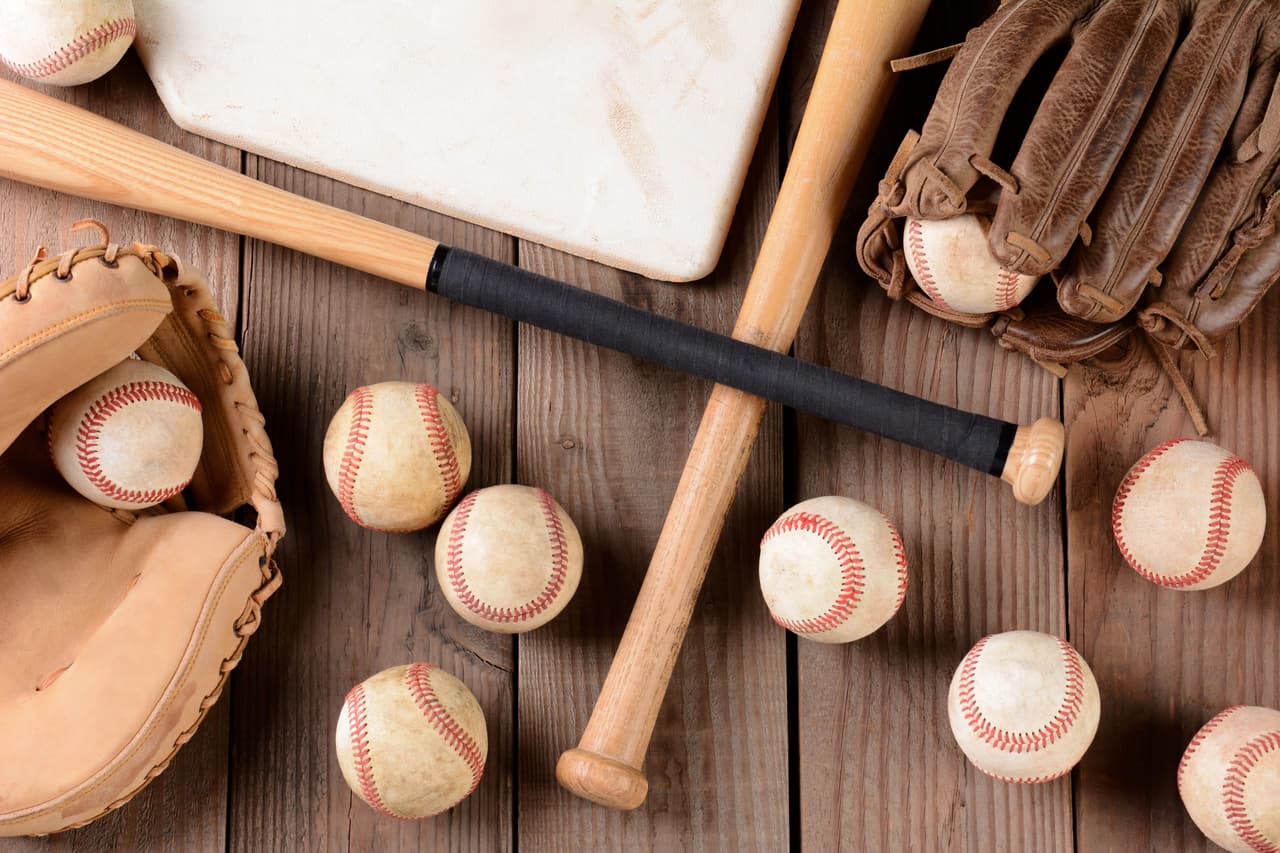
Spring season is coming, and if you are a new youth baseball or softball coach, you are probably staring at an empty equipment shed wondering where to start. What do you actually need? What can wait? And how much is all of this going to cost?
This guide breaks down every piece of coaching equipment into three tiers: what you absolutely must have for day one, what you should add as soon as the budget allows, and what is nice to have when you want to run a top-tier program. We include real prices, specific product recommendations, and links to our detailed review articles for each category.
Whether you are coaching tee ball, rec league, travel ball, or softball, this checklist has you covered. If you are brand new to coaching and want a broader overview of the role itself, start with our guide on how to coach youth baseball if you have never played before.
Disclosure: This article contains affiliate links. If you make a purchase through these links, The Dugout Edge may earn a small commission at no additional cost to you. We only recommend products we believe in and use for our own teams. Thank you for supporting our site!
Our Top Picks by Category
If you want our specific recommendations without reading every detailed review, here are our top picks in each category:
Must-Have Gear:
- Practice Balls: Rawlings OLB3 Practice Baseballs ($26.95/dozen) or Diamond D-OB ($63.94/dozen) - See all options
- Batting Tee: Tanner Tee Original ($99.99) or SKLZ Travel Tee Elite ($59.99) - See all options
- Equipment Bag: Easton Team Equipment Wheeled Bag ($74.95) - See all options
- First Aid Kit: 24/7 First Aid Coaches Kit ($56.99) - See all options
- Catcher's Gear Set: All-Star System7 Axis Youth ($399.95) - See all options
- Batting Helmets: Rawlings Mach Junior ($84.99) - See all options
- Baseball Gloves: Youth gloves from $15 to $200 depending on age and level - See all options
Highly Recommended:
- Fungo Bat: Easton F4 Aluminum Fungo ($74.95) - See all options
- Practice Net: PowerNet 7x7 ($64.99) - See all options
- Ball Bucket: Athletico Bucket Organizer with Padded Seat ($35.00) - See all options
- L-Screen: Bownet L-Screen 8x7 ($248.99) - See all options
- Training Balls: SKLZ Foam Training Baseballs ($15.54) - See all options
- Dugout Organizer: PowerNet Team Dugout Organizer ($59.99) - See all options
Nice to Have:
- Pitching Machine: Louisville Slugger Blue Flame ($147.99) - See all options
- Training Aids: SKLZ Speed and Agility Ladder ($47.99) - See all options
- Field Maintenance: Trigon Steel Drag Mat ($89.99) - See all options
- Coaching Accessories: Murray Sporting Goods Scorebook ($9.99) - See all options
Must-Have Equipment
These are the items you cannot run a season without. Get these before your first practice.
Practice Baseballs and Game Balls
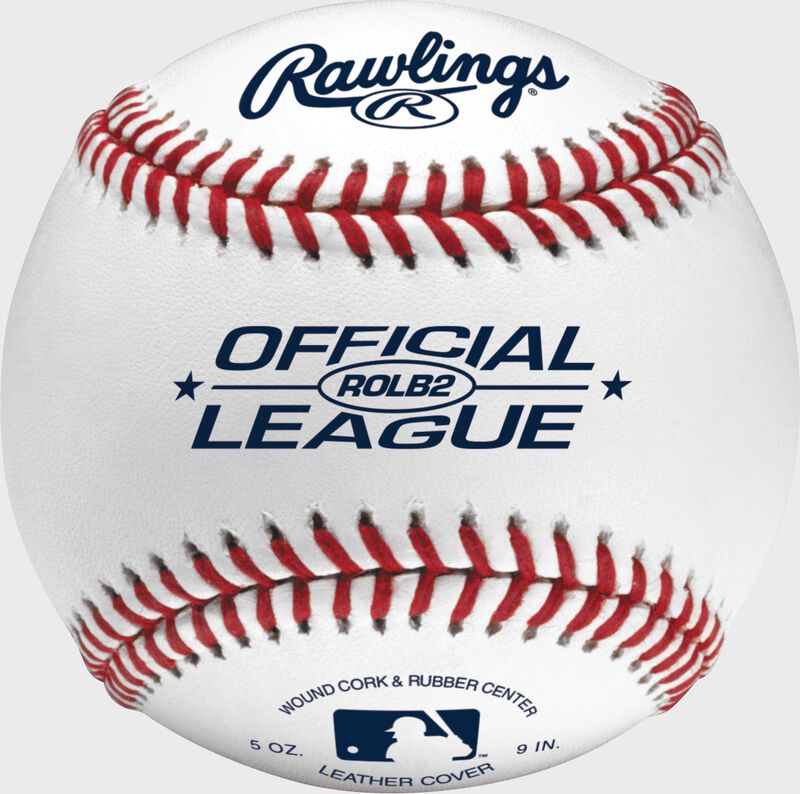
You cannot run a practice without baseballs. For youth leagues, you will want a mix of practice balls (which take a beating and are cheaper to replace) and game balls (which meet league specifications). A bucket of two to three dozen practice balls is the minimum starting point. Expect to lose a few over fences, into the woods, and into parking lots throughout the season.
For youth baseball, look for balls that match your league's age-group requirements. Most rec leagues use reduced-injury baseballs for younger age groups. Softballs come in 11-inch (younger players) and 12-inch (standard) sizes.
Budget: $30 to $80 for a starter set of 2 to 3 dozen balls.
Read our full review: 10 Best Practice Baseballs and Game Balls for Coaches in 2026
Batting Tees
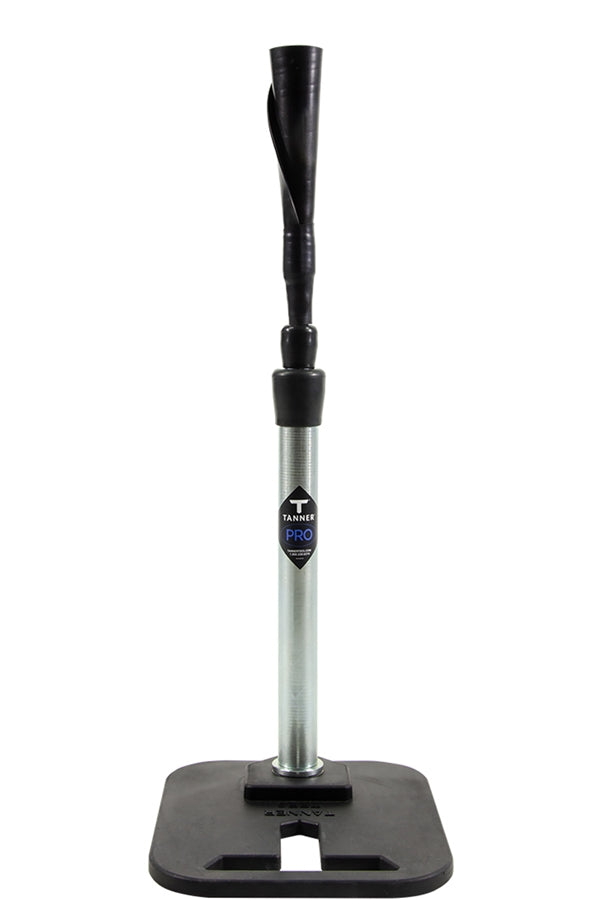
A batting tee is the single most important training tool in youth baseball. Tee work builds swing mechanics, hand-eye coordination, and confidence at the plate. Even Major League players still hit off tees every day. You need at least one tee for practice, and ideally two or three so you can run multiple hitting stations simultaneously.
Look for a tee with a heavy rubber base that will not tip over, an adjustable height stem, and a durable rubber cone that can handle thousands of swings. The best tees on the market last for years.
Budget: $30 to $80 per tee.
Read our full review: 10 Best Batting Tees for Youth Baseball in 2026
Equipment Bags

As a coach, you are hauling gear to and from the field multiple times a week. A dedicated coaching equipment bag is not optional. You need something large enough to carry bats, balls, tees, cones, a first aid kit, and whatever else your team needs. Wheeled bags save your back. Separate compartments keep everything organized.
Team equipment bags are different from individual player bags. You want a bag built for volume, not personal gear.
Budget: $40 to $120 for a quality coach or team equipment bag.
Read our full review: 9 Best Baseball Equipment Bags for Coaches and Teams in 2026
First Aid Kit

This is non-negotiable. You need a first aid kit at every practice and every game. Kids get scraped, bruised, hit by pitches, and occasionally injured more seriously. Having basic supplies on hand (bandages, ice packs, antiseptic, athletic tape) means you can handle minor injuries without ending practice and shows parents you take their kids' safety seriously.
Many leagues require coaches to have a first aid kit on site. Even if yours does not, carry one anyway.
Budget: $15 to $40 for a well-stocked sports first aid kit.
Read our full review: 8 Best First Aid Kits for Baseball and Softball Coaches in 2026
Catcher's Gear Sets
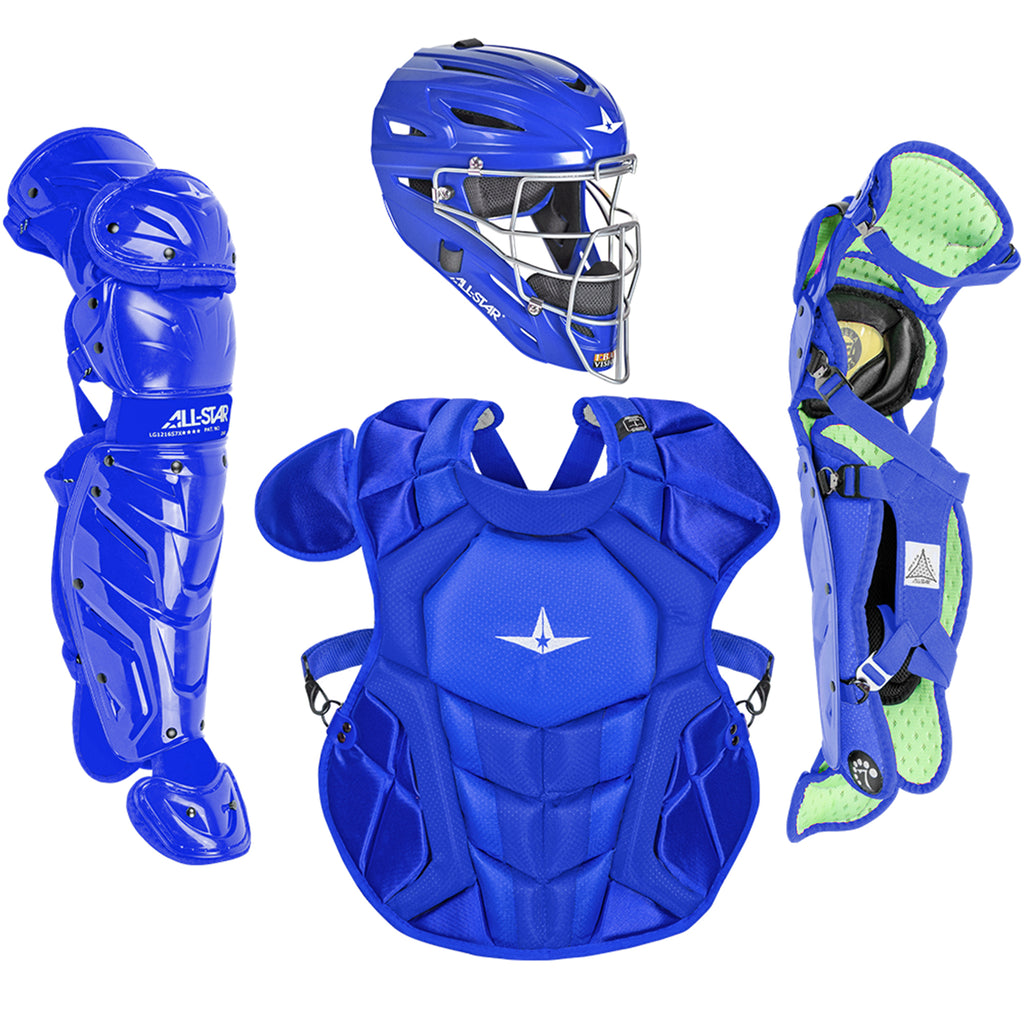
Every team needs at least one complete catcher's gear set for games, and ideally a second set for practice. A full set includes a helmet with face mask, chest protector, leg guards (shin guards), and a throat guard. Youth catcher's gear is sized differently from adult gear, so make sure you buy the right size for your age group.
Catcher's gear is one of the more expensive single purchases, but it is also one of the most important for player safety. Do not skimp here.
Budget: $50 to $200 for a complete youth set.
Read our full review: 9 Best Youth Catcher's Gear Sets in 2026
Batting Helmets
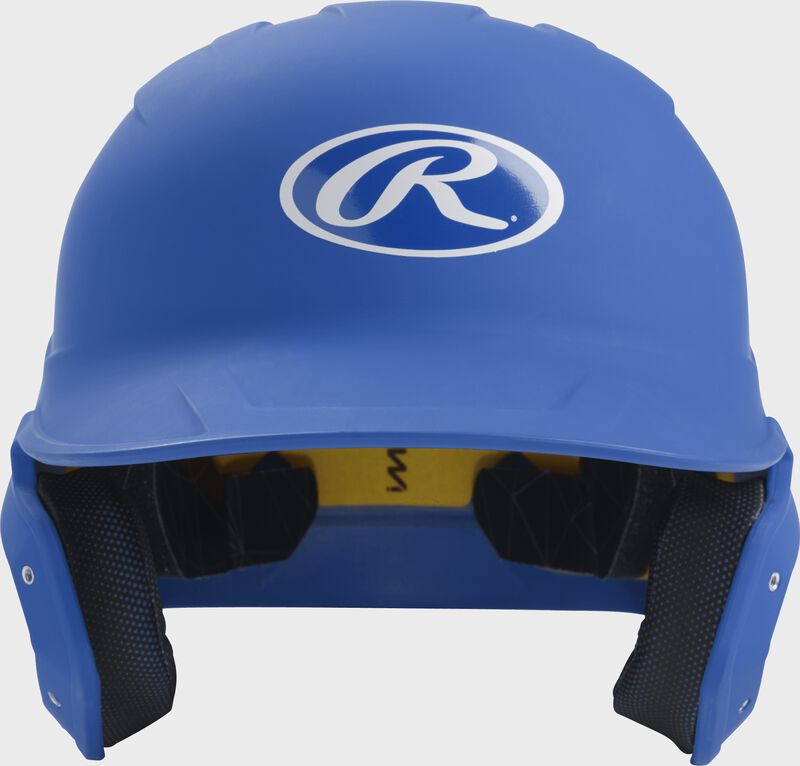
Most youth leagues require NOCSAE-certified batting helmets. While some leagues provide them, many expect each team to supply their own shared helmets. You will want enough helmets to cover your roster, typically 6 to 10 shared helmets in various sizes.
Look for helmets with dual-density foam padding, a secure chin strap, and good ventilation. Face guards are required or recommended for younger age groups in most leagues.
Budget: $20 to $50 per helmet, or $120 to $300 for a team set.
Read our full review: 10 Best Youth Batting Helmets for Baseball and Softball in 2026
Baseball Gloves
A quality glove is the most personal piece of equipment your player will own. Unlike bats that get shared, a glove molds to the player's hand over weeks of use and becomes an extension of their game. As a coach, one of the most common questions parents will ask is what glove to buy. Having a solid recommendation ready shows you know your stuff and helps new families avoid the frustration of buying the wrong size or style.
Youth gloves range from $15 for tee ball starters to $300 for premium game-day leather. For most rec league players ages 8 to 12, the sweet spot is $50 to $100. Once players reach travel ball or competitive leagues, investing $100 to $200 in a quality glove with good leather makes a real difference in fielding performance.
Budget: $50 to $200 depending on age group and level of play.
Read our full review: 10 Best Youth Baseball Gloves in 2026
Not sure what size? Use our free Glove Size Calculator to find the right fit by age, height, and position.
Highly Recommended Equipment
You can technically coach without these, but your practices will be significantly better with them. Add these as soon as you can.
Fungo Bats
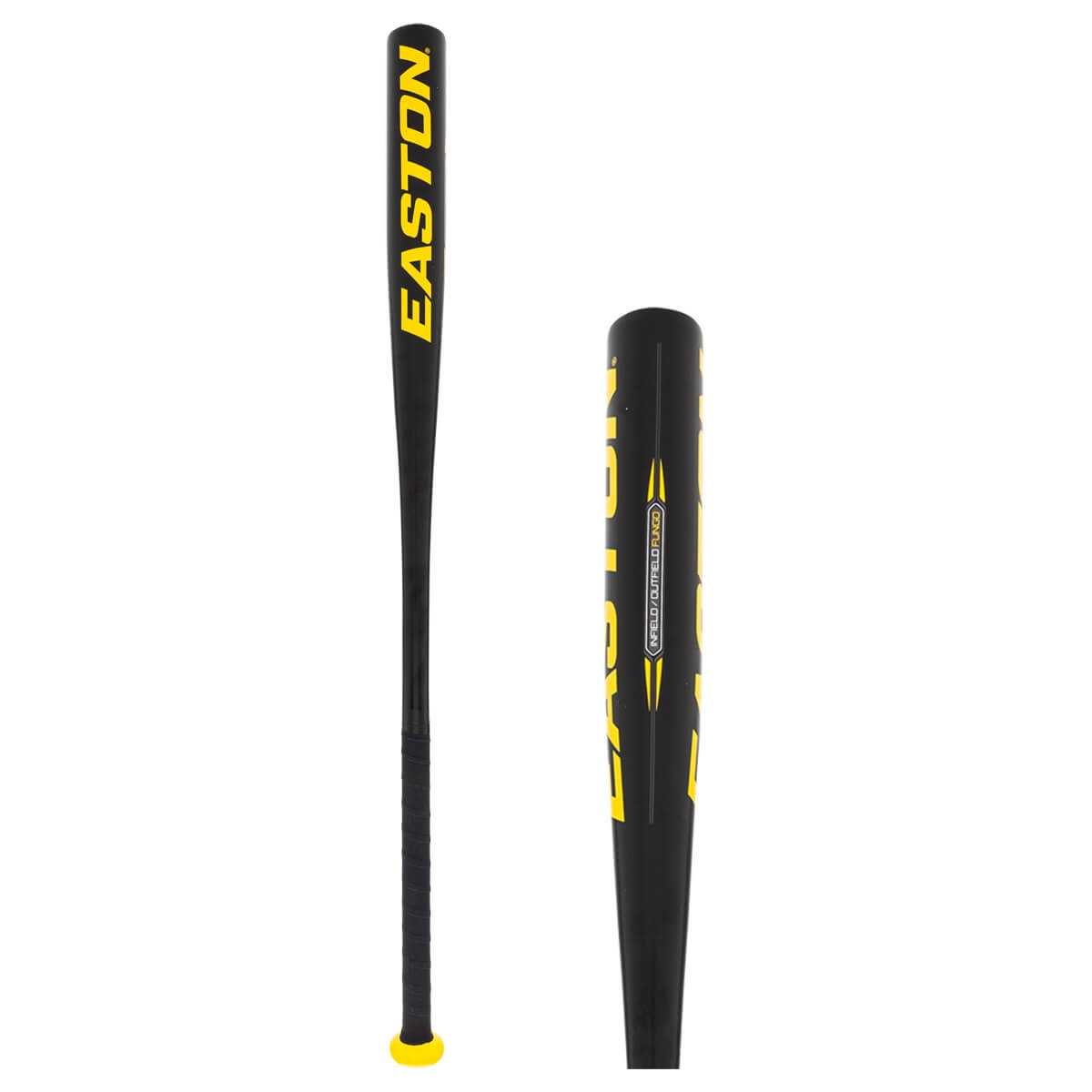
A fungo bat is a coach's best friend during fielding practice. These are lightweight, extra-long bats designed specifically for coaches to hit ground balls and fly balls to fielders. They are much easier to control than a regular bat, letting you hit accurate grounders and pop flies on demand without wearing out your arm.
The difference between hitting fungos with a regular bat and a purpose-built fungo bat is night and day. Your accuracy improves, your arm lasts longer, and practice moves faster.
Budget: $30 to $120 depending on wood vs. composite.
Read our full review: 10 Best Fungo Bats for Baseball Coaches in 2026
Practice Nets and Hitting Nets
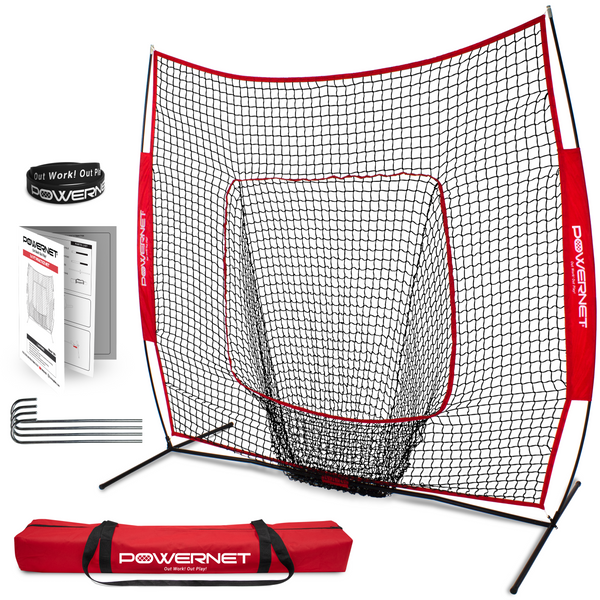
A portable hitting net instantly doubles or triples your practice capacity. Instead of one batter hitting into a field while everyone else stands around, you can set up net stations where kids hit into nets off tees or with soft toss. Nets also work for pitching practice, catch and throw warmups, and containment during small-space drills.
Look for nets with sturdy frames, easy setup, and a target zone for accuracy work.
Budget: $40 to $150 depending on size and quality.
Read our full review: 9 Best Baseball Practice Nets and Hitting Nets in 2026
Ball Buckets and Ball Caddies
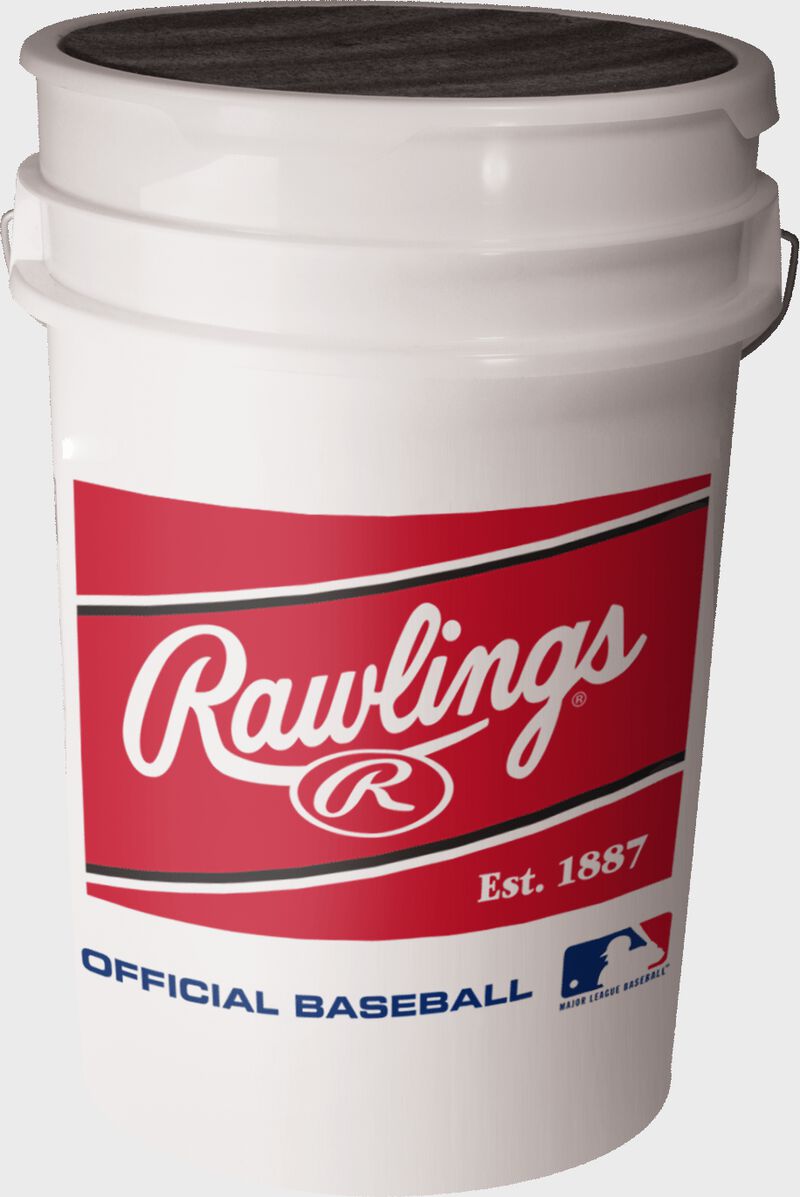
A five-gallon ball bucket is one of the cheapest and most useful items you will own as a coach. It holds balls during batting practice, sits next to you on the mound during BP, and makes cleanup at the end of practice fast. Ball caddies with frames make it even easier, holding the bucket at waist height so you are not bending over between every pitch.
Budget: $15 to $60 for a bucket and caddy setup.
Read our full review: 7 Best Baseball Ball Buckets and Ball Caddies in 2026
Training Balls (Wiffle Balls, Soft Toss Balls)
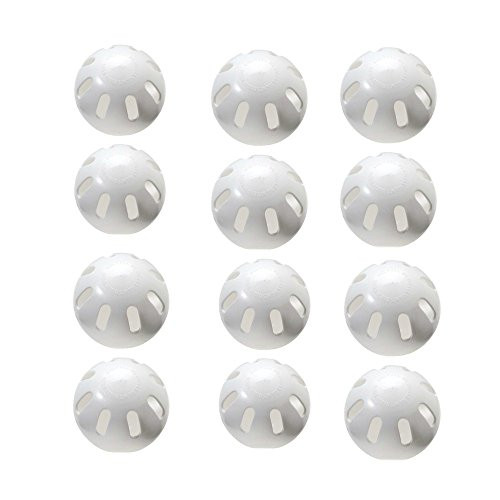
Training balls are essential for safe, high-rep drills. Wiffle balls, foam balls, and other training balls let you run batting practice in confined spaces, increase reps without the risk of hard-hit comebackers, and are perfect for younger players who are still learning to track a pitch. They are also great for indoor winter workouts.
Budget: $10 to $30 for a set of training balls.
Read our full review: 10 Best Training Balls and Wiffle Balls for Baseball Practice in 2026
L-Screens and Protective Screens
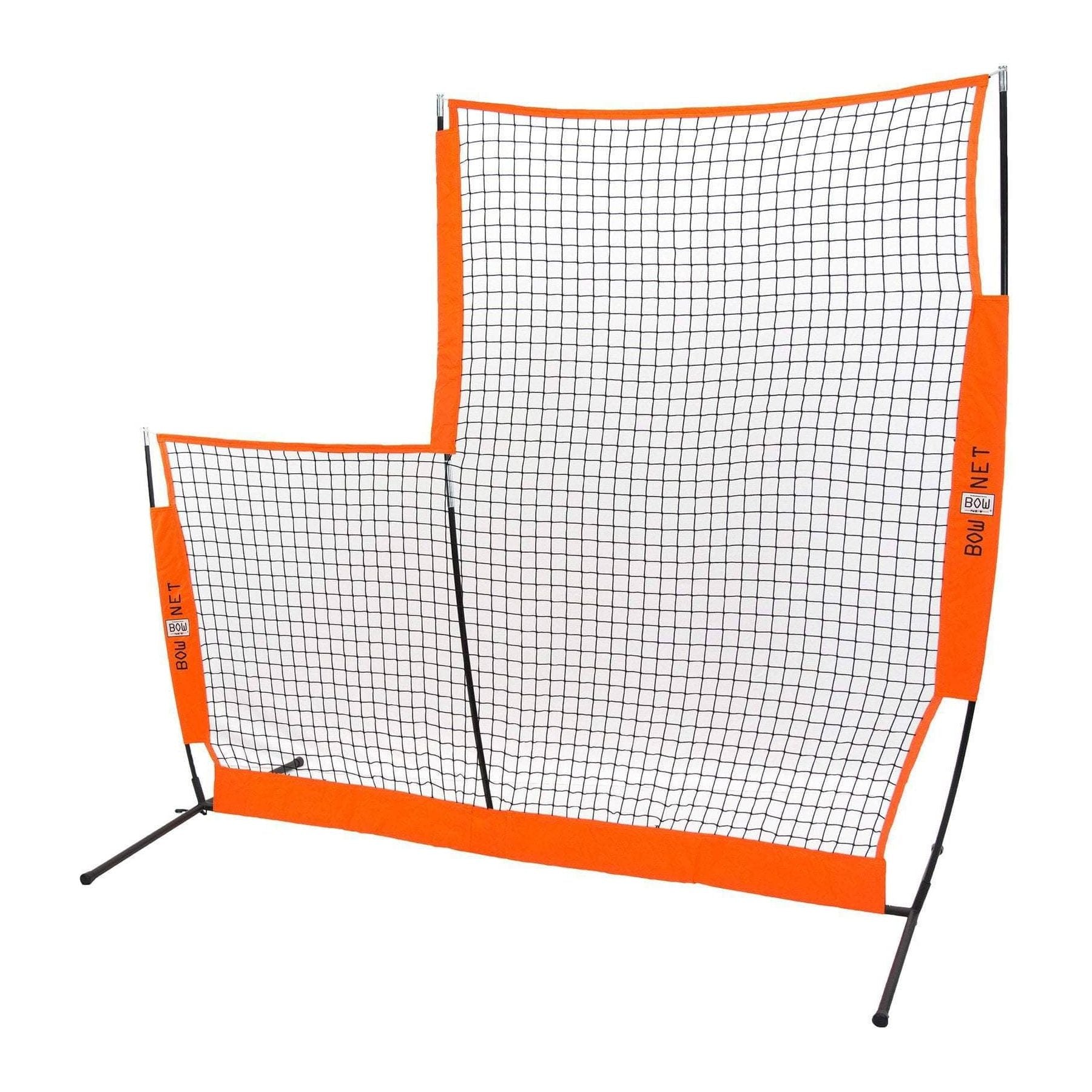
If you throw batting practice, you need an L-screen. An L-screen is a protective net that shields the pitcher or coach during live batting practice. Even at the youth level, balls come off the bat fast enough to cause injury. An L-screen sits in front of you on the mound with an opening for your pitching arm, giving you a clear throwing lane while protecting your body.
Budget: $80 to $250 for a quality L-screen with frame.
Read our full review: 8 Best Baseball L-Screens and Protective Screens for Coaches in 2026
Dugout Organizers
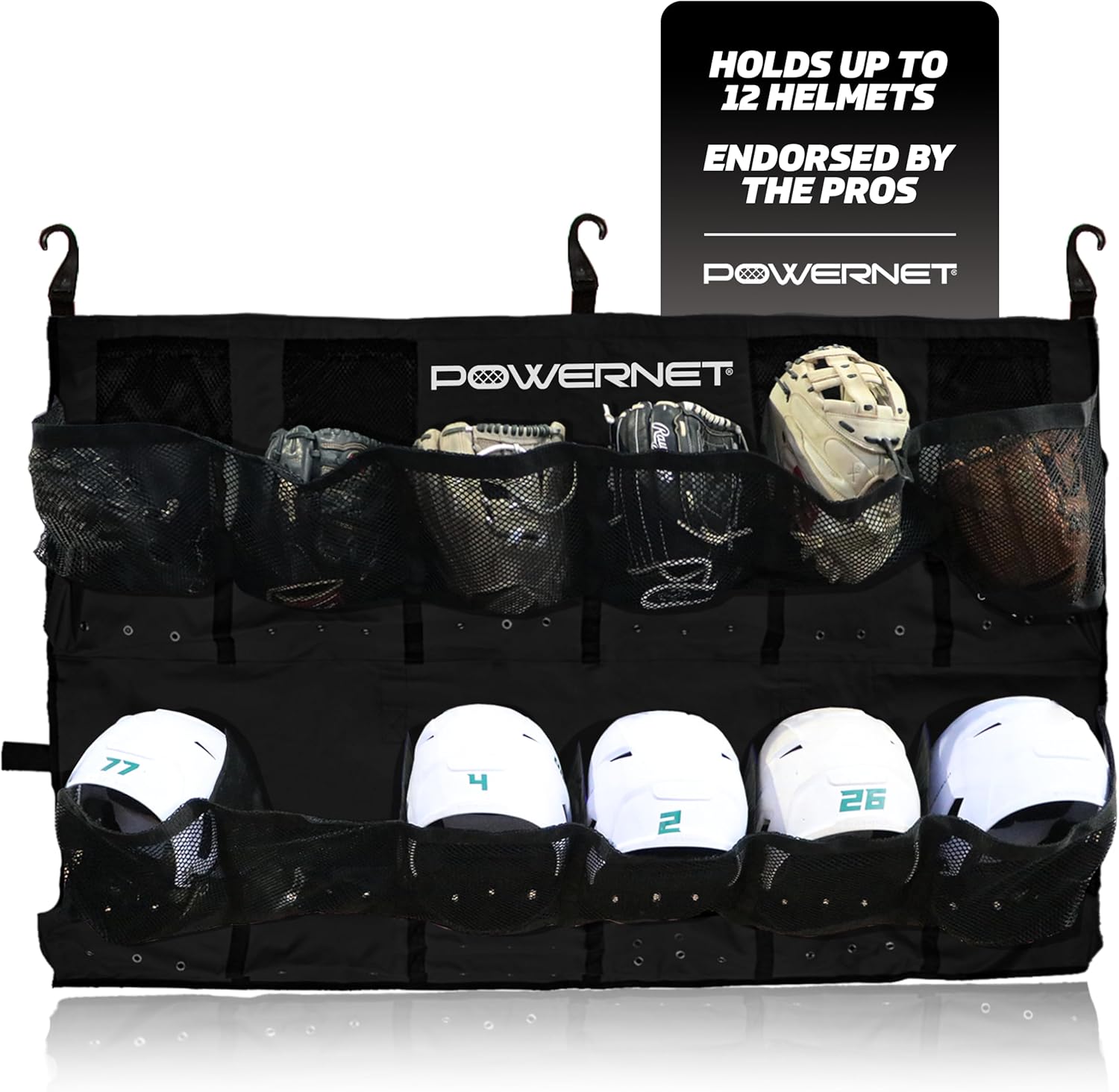
An organized dugout keeps kids safe and the game moving. Bats rolling on concrete are trip hazards. Scattered helmets slow down the lineup. A basic dugout organizer or bat rack solves these problems for as little as $20.
Budget: $20 to $70 for a team organizer.
Read our full review: 10 Best Dugout Organizers for Youth Baseball and Softball in 2026
Nice-to-Have Equipment
These items take your program to the next level. They are not essential for a new coach, but they make practices more efficient and more fun for the kids.
Pitching Machines
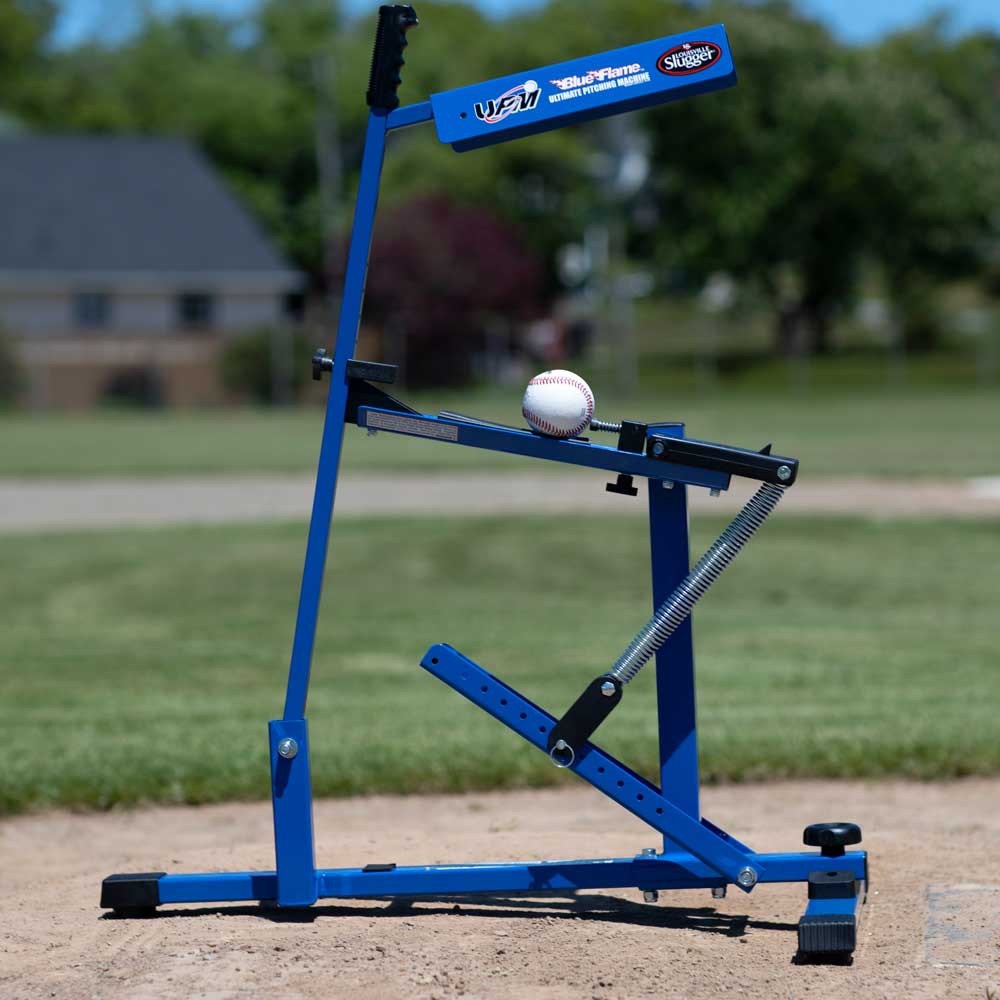
A pitching machine delivers consistent strikes at adjustable speeds, which is invaluable for batting practice. It frees you up to coach instead of pitching, and it gives hitters more quality at-bats per practice. Machines range from simple manual ball feeders to advanced electronic models with variable speeds and pitch types.
For youth baseball, even a basic machine that throws 25 to 45 mph is a game-changer.
Budget: $80 to $500+ depending on type and features.
Read our full review: 9 Best Pitching Machines for Youth Baseball in 2026
Training Aids and Agility Equipment
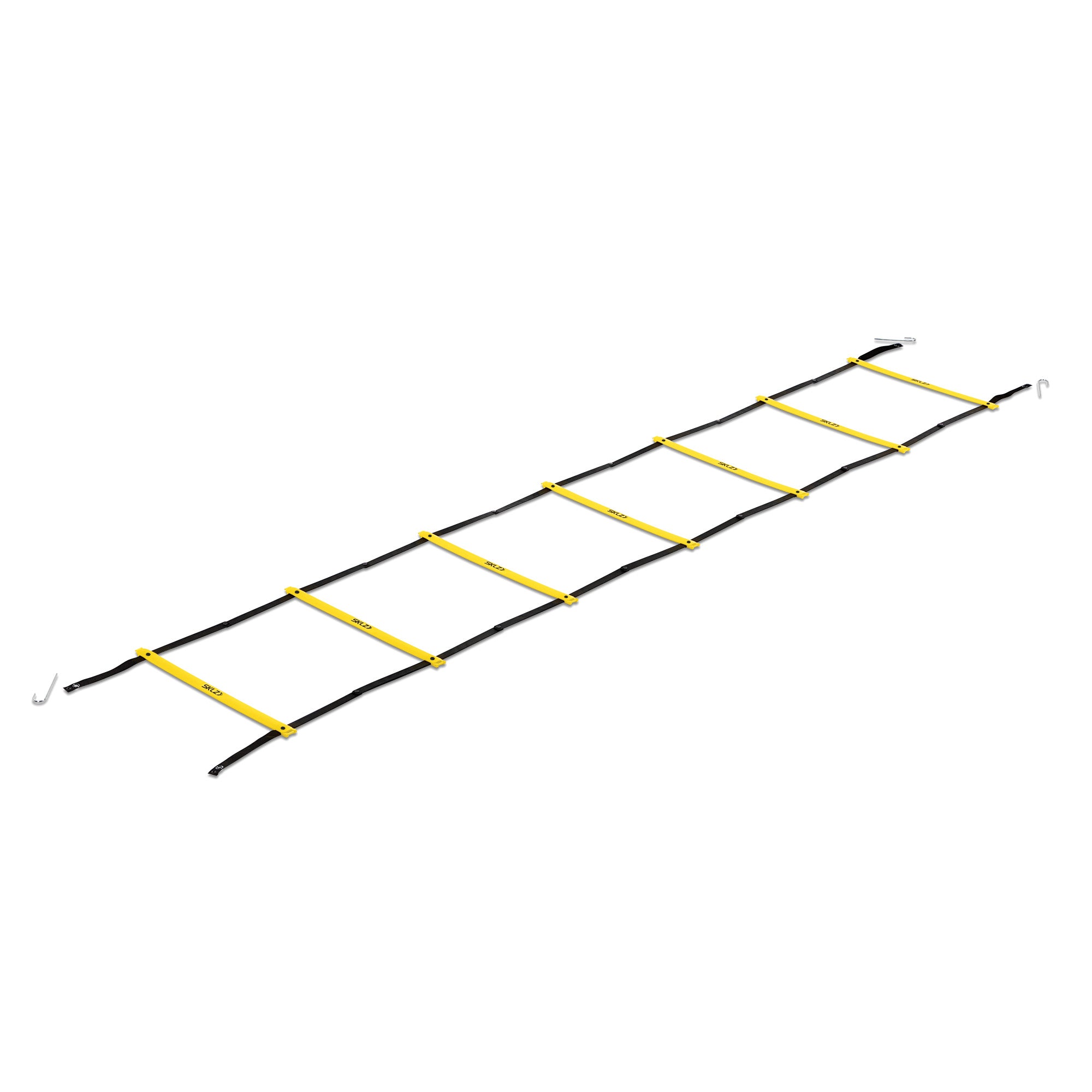
Cones, agility ladders, resistance bands, weighted balls, swing trainers, and other training aids let you run focused skill-development stations. They add variety to practice, keep kids engaged, and target specific areas of improvement. You do not need all of them at once. Start with a few cones and an agility ladder and add from there.
Budget: $10 to $60 per item.
Read our full review: 11 Best Baseball Training Aids and Agility Equipment in 2026
Field Maintenance Tools
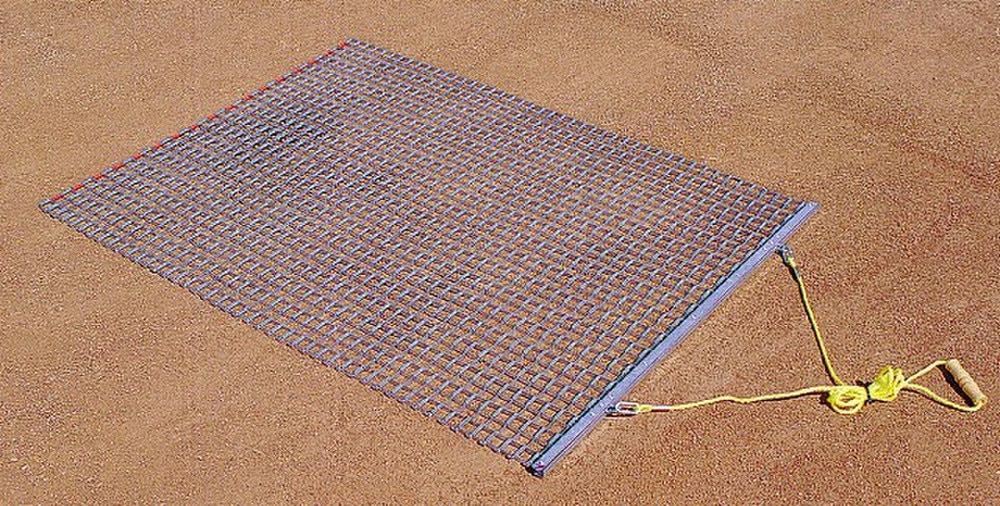
If your league expects coaches to prep the field, you will need basic field maintenance equipment: a drag mat for the infield, a rake, a broom for home plate, a chalk liner, and bases or base anchors if they are not already provided. Even if your league has a groundskeeper, knowing how to prep a field is a useful coaching skill.
Budget: $15 to $80 per tool, or $150 to $300 for a basic field kit.
Read our full review: 10 Best Baseball Field Maintenance Tools and Equipment in 2026
Coaching Accessories (Scorebooks, Lineup Cards, Clipboards)
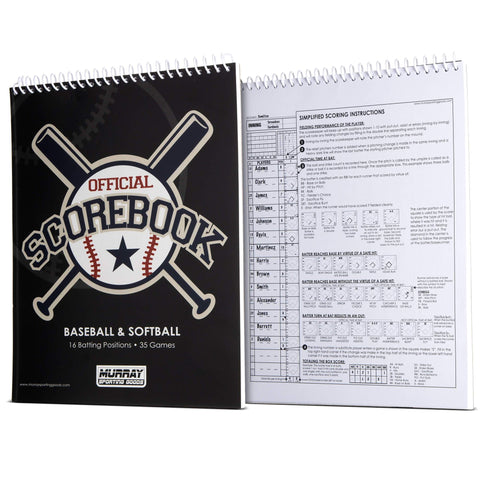
The small stuff matters on game day. A scorebook, lineup cards, a coaching clipboard, a pitch counter, and a dry-erase board for the dugout keep you organized and professional. These are inexpensive items that make a surprisingly big difference in how smoothly your games run.
Budget: $5 to $30 per item.
Read our full review: 10 Best Coaching Accessories: Scorebooks, Lineup Cards, and Essentials for 2026
Budget Breakdown
Here is what a complete coaching equipment setup costs at three different levels. These estimates assume you are starting from scratch with no existing team equipment.
| Budget Tier | Total Cost | What You Get |
|---|---|---|
| Bare Minimum | ~$200 to $300 | 1 dozen practice balls, 1 batting tee, 1 equipment bag, 1 first aid kit, 1 catcher's gear set (budget) |
| Recommended Setup | ~$600 to $900 | Everything above, plus a fungo bat, hitting net, ball bucket, training balls, dugout organizer, 6 batting helmets |
| Full Program | ~$1,500 to $2,500 | Everything above, plus a pitching machine, L-screen, training aids, field tools, coaching accessories, extra gear |
Bare Minimum (~$200 to $300)
This is the absolute floor. You can run practices and play games with this setup, but practices will be limited to one station at a time and you will be doing a lot of improvising.
- Practice baseballs (1 dozen): $30
- Batting tee: $35
- Equipment bag: $50
- First aid kit: $20
- Budget catcher's gear set: $60 to $100
- Batting helmets (shared, 4 to 6): $80 to $120
Recommended Setup (~$600 to $900)
This is what we recommend for most first-year coaches. You can run efficient multi-station practices, keep kids active, and have the gear you need for a solid season.
- Everything from Bare Minimum: ~$275
- Fungo bat: $50
- Hitting net: $50
- Ball bucket and caddy: $30
- Training balls (wiffle): $15
- Dugout organizer: $40
- Additional batting helmets: $60
- Extra practice balls (1 dozen): $30
Full Program (~$1,500 to $2,500)
This is a fully equipped coaching operation. Multiple hitting stations, pitching machine for consistent BP, safety screens, training aids for skill development, and all the game-day accessories.
- Everything from Recommended: ~$750
- Pitching machine: $150 to $400
- L-screen: $120 to $200
- Training aids (cones, ladder, bands): $50 to $100
- Field maintenance tools: $80 to $150
- Coaching accessories (scorebook, clipboard, lineup cards): $30
- Second catcher's gear set: $100
- Second batting tee: $40
- Additional nets: $50 to $100
Where to Buy
Here are the best places to shop for youth baseball and softball coaching equipment:
- Amazon is the most convenient option with the widest selection, fast shipping, and competitive prices on almost everything on this list. Most of the products we review are available on Amazon.
- Dick's Sporting Goods is the go-to brick-and-mortar option. Being able to see and handle equipment before you buy is valuable, especially for catcher's gear and batting helmets that need to fit properly.
- JustBats.com and JustGloves.com specialize in bats and gloves with expert customer service. If you need specific advice on bat sizing or league compliance, their staff knows the rules.
- BaseballMonkey.com often has the best prices on team equipment purchases and end-of-season closeouts.
- Direct from manufacturers like Rawlings, Easton, Louisville Slugger, Marucci, and PowerNet. Their websites sometimes run promotions that retailers cannot match.
Tip: Check for end-of-season sales in late summer and early fall. Equipment from the previous model year is often discounted 30 to 50 percent and works just as well.
What Equipment You Need by Age Group
Not every age group needs the same gear. Here is a quick breakdown of what to prioritize based on the division you are coaching.
Tee Ball (6U)
At this age, practices are simple and equipment needs are minimal. You need a batting tee, a couple dozen practice baseballs, a ball bucket, a scorebook, and a first aid kit. That is enough to run every practice all season. Skip the fungo bat and L-screen for now. Batted ball speeds are low, and most of your time will be spent teaching kids to swing, throw, and catch for the first time.
Essentials: Batting tee ($60), practice baseballs ($27), ball bucket ($35), scorebook ($10), first aid kit ($55) Estimated total: ~$190
Coach Pitch (8U)
At 8U, practices get more structured. You will want a practice net so you can run multiple hitting stations. The coach is pitching, so a net gives you a safe backstop for soft toss drills while another group works on fielding. A fungo bat becomes useful if you have assistant coaches running infield/outfield work.
Essentials: Everything from 6U, plus a practice net ($249) Nice to have: Fungo bat ($51), training balls ($14), equipment bag ($75) Estimated total: ~$440 to $575
Kid Pitch (10U)
This is where equipment needs jump. Kids are now pitching to each other, which means ball speeds are increasing. An L-screen becomes a real safety consideration during batting practice. A fungo bat moves from nice-to-have to essential because you are running proper infield/outfield drills. You need more baseballs (3 to 4 dozen) to keep full-team BP moving.
Essentials: Batting tee ($60), 3 to 4 dozen baseballs ($80 to $108), L-screen ($249), fungo bat ($51), ball bucket ($35), scorebook ($10), first aid kit ($55) Nice to have: Swing trainer ($25), lineup board ($35), equipment bag ($75) Estimated total: ~$540 to $680
Majors (12U)
At 12U, everything intensifies. Ball speeds are real. Your L-screen is non-negotiable. A magnetic lineup board helps manage substitutions during games. You will want 4 to 5 dozen baseballs because kids hit them farther and lose them faster. This is also where a swing trainer pays off because players are developing real swing mechanics.
Essentials: Batting tee ($60), 4 to 5 dozen baseballs ($108 to $135), L-screen ($249), fungo bat ($51), ball bucket ($35), scorebook ($10), lineup board ($35), first aid kit ($55) Nice to have: Swing trainer ($25), equipment bag ($75), pitching machine ($30+) Estimated total: ~$600 to $760
High School
High school coaching staffs need the most gear. Multiple L-screens, heavy-duty tees that can handle varsity exit velocities, 5+ dozen baseballs for full-team BP rotations, and a sturdy wheeled equipment bag are all standard. A lineup board is expected in the dugout. Every item takes more punishment at this level, so quality matters more than at younger ages.
Essentials: Heavy-duty batting tee ($60), 5+ dozen baseballs ($135+), L-screen ($249), fungo bat ($51), ball bucket ($35), scorebook ($10), lineup board ($35), first aid kit ($55), equipment bag ($75) Nice to have: Swing trainer ($25), pitching machine ($30+), weighted training balls ($14) Estimated total: ~$705+
Frequently Asked Questions
What equipment does a youth baseball coach need?
At minimum, you need practice baseballs, a batting tee, an equipment bag, a first aid kit, catcher's gear, and batting helmets. With those six items you can run basic practices and play games. Adding a fungo bat, hitting net, and ball bucket significantly improves your practice efficiency. See the full checklist and budget breakdown above for a detailed list at every price point.
How much does it cost to equip a youth baseball team?
A bare-minimum setup runs $200 to $300. A recommended setup with multiple practice stations and proper safety gear costs $600 to $900. A fully equipped program with a pitching machine, L-screen, training aids, and all the accessories costs $1,500 to $2,500. Many leagues provide some shared equipment, so check with your league before buying everything yourself.
What is the most important piece of coaching equipment?
Practice baseballs and a batting tee. You can improvise almost everything else, but you cannot run batting practice without balls and a tee. A batting tee is the single most versatile training tool in baseball. Players of every age and skill level benefit from tee work, and you can run tee stations with minimal space and supervision.
Should I buy equipment or does the league provide it?
This varies by league. Most rec leagues provide game balls, bases, and sometimes shared helmets and catcher's gear. Travel and club teams typically expect coaches or team parents to provide all equipment. Contact your league administrator before the season to find out exactly what is provided and what you need to bring. Even if your league provides the basics, most coaches invest in a personal fungo bat, extra practice balls, and training aids.
What equipment do I need for the first practice?
For your very first practice, bring practice baseballs (at least one dozen), a batting tee, your equipment bag, and a first aid kit. That is enough to run throwing, fielding, and hitting stations. You do not need a full equipment setup for day one. Focus on evaluating your players and establishing routines. Add more gear as the season progresses and you understand what your team needs.
Where can I get baseball equipment on a budget?
Check for end-of-season sales at Dick's Sporting Goods and online retailers, which typically discount last year's models by 30 to 50 percent. Amazon frequently offers bundle deals on practice balls, training aids, and coaching accessories. Facebook Marketplace and local parent groups are great sources for gently used catcher's gear and batting helmets. Many leagues also have equipment exchange programs where outgoing teams pass gear to incoming coaches.
What equipment should a first-time tee ball coach buy?
For tee ball (ages 4 to 6), start with these essentials: reduced-injury baseballs (softer cores, about $40/dozen), one quality batting tee with adjustable height ($50 to $80), a basic equipment bag ($40 to $60), and a first aid kit ($20 to $30). At this age level, you do not need a fungo bat, L-screen, or pitching machine. Focus on the basics and add gear as players progress. Total investment: $150 to $200.
What equipment do travel ball coaches need that rec ball coaches do not?
Travel ball coaches need more durable and portable gear because of frequent games and tournaments at different fields. Key additions: a quality wheeled equipment bag for easy transport ($80 to $120), a portable dugout organizer that sets up fast ($40 to $70), extra catcher's gear sets for practice ($100), multiple batting tees for station work ($120 to $240), and an L-screen if you throw a lot of BP ($130 to $250). Travel ball also benefits from a pitching machine for consistent reps ($200 to $500). Expect to spend $600 to $1,200 more than a basic rec ball setup.
Tags
Ready to Generate Your Perfect Lineup?
Try our free softball and baseball lineup generator to create balanced, fair lineups in minutes.
Try Free Lineup Generator