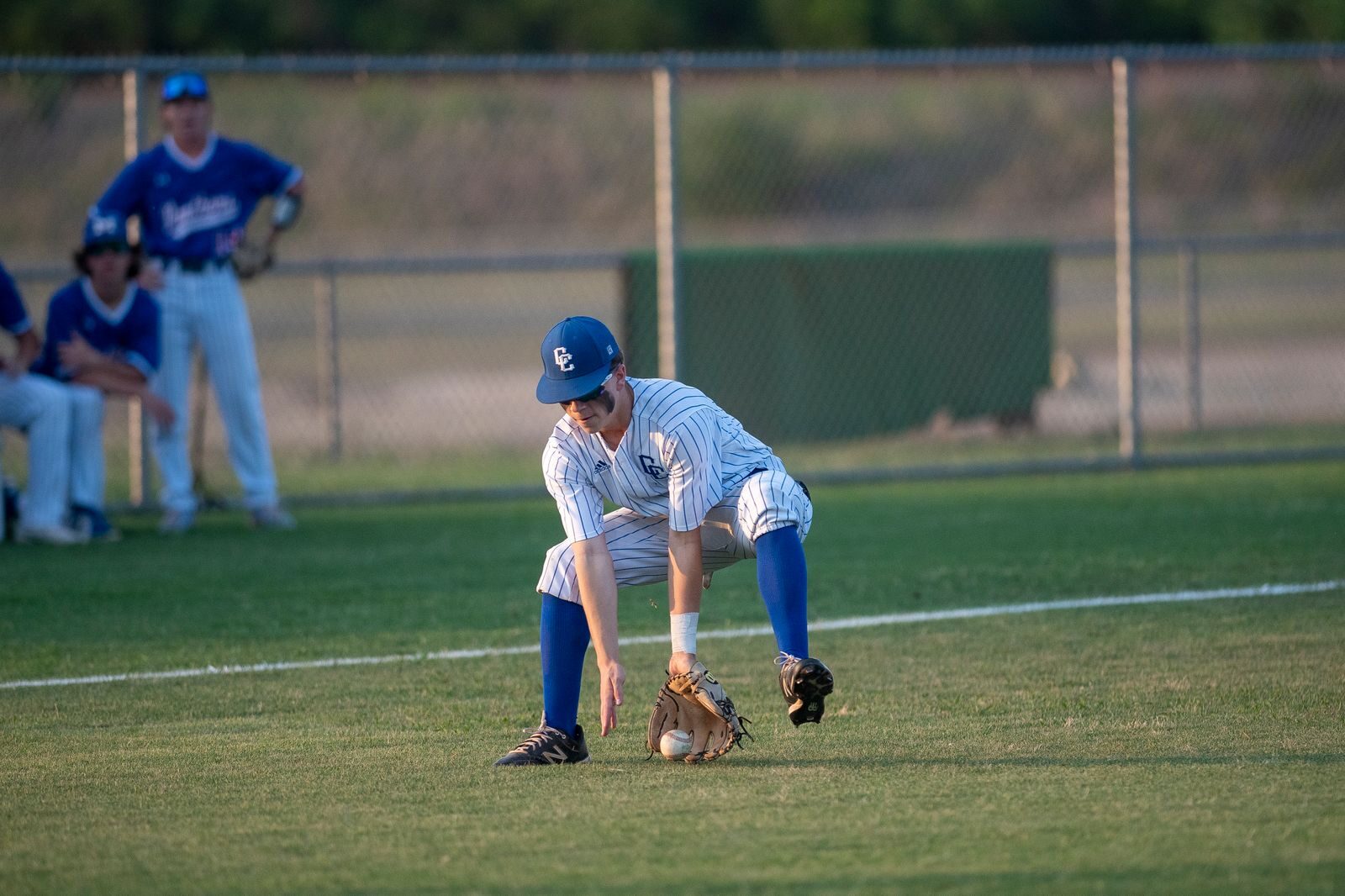
Shortstop's Fielding Guide
Shortstop is the most demanding defensive position on the field. You need exceptional range, a strong arm, quick hands, and the leadership ability to command the infield. This guide covers everything you need to master the position.
Core Responsibilities
Primary Duties
- Field your position - The widest range of any infielder
- Feed double plays - Quick, accurate throws to second
- Turn double plays - When ball is hit to your right
- Cover second base - Steals, force plays, tags
- Lead the infield - Direct positioning and communicate
The Captain Mentality
- You see the whole infield
- Your voice carries authority
- You're involved in the most plays
- Take charge, this is YOUR infield
Positioning
Standard Position (Nobody On)
- Approximately 15-20 feet to third base side of second
- Depth varies based on:
- Batter's speed (faster = shallower)
- Pitcher type (strikeout = deeper)
- Game situation
- Your arm strength
Double Play Depth
- Cheat toward second base
- Closer to bag for quicker turn
- Trade range for turn time
- About 10-12 feet from bag
Deep/Hole Position
- Playing in the "hole" between SS and 3B
- Deeper and closer to third base line
- Use for pull hitters
- Strong arm needed for long throw
Situational Responsibilities
Nobody On Base
Ground Ball to You
Your job: FIELD AND THROW TO FIRST
- Move to the ball aggressively
- Get your body in front
- Field with two hands
- Shuffle and throw (or throw on the run)
- Strong, accurate throw
Key Throws:
| Position | Throw Type |
|---|---|
| In front of you | Shuffle, overhand |
| To your left | Backhand, plant and throw |
| In the hole | Long throw, use your legs |
| Up the middle | Quick release, arm strength |
Ground Ball to Third Base
Your job: COVER SECOND OR BACK UP
- If ball is hit slow: Cover second for potential play
- If routine ground ball: Back up the throw to first
- Read the play as it develops
Fly Ball in Left-Center
Your job: GO GET IT OR COMMUNICATE
- Short fly balls: You may have it
- Deep flies: Back up third base
- Call it or give way to center fielder
Runner on First Base
Ground Ball to You
Your job: TURN THE DOUBLE PLAY
Ball Directly at You:
- Field cleanly
- Move toward second base
- Touch the bag, pivot, throw to first
- Get off the bag (avoid the runner)
Ball to Your Left (Toward Third Base):
- Field the ball
- Feed second base to second baseman
- Firm, chest-high throw
- Aim for his chest
Ball to Your Right (Up the Middle):
- Field the ball
- Quick flip or underhand to second baseman
- He's moving toward you, lead him to the bag
- Get out of the way
Ground Ball to Third Base or Pitcher
Your job: COVER SECOND FOR THE FORCE
- Sprint to the bag
- Straddle or stand behind
- Receive the throw
- Turn and fire to first
Double Play Turn at Second Base:
Footwork Options:
- Drag the Foot: Catch, drag back foot across bag, throw
- Step Across: Catch, step across bag toward left field side, throw
- Go Through: Catch, step on bag, continue toward left field, throw
- Pop and Throw: Catch, pop up behind bag, throw
Priority Order:
- Catch the ball
- Get the out at second
- Turn and throw to first
- Stay safe, avoid the runner
Runner on Second Base
Ground Ball to You
Your job: LOOK THE RUNNER BACK
- Field the ball
- Quick glance at runner (freeze them)
- Throw to first for the out
- Don't allow the runner to advance
Ground Ball to First Base or Second Base
Your job: COVER SECOND BASE
- Be at the bag for potential throw
- Runner may be going on contact
- Be ready for the tag play
Fly Ball to Left Field
Your job: COVER OR RELAY
- Deep fly: Runner will tag, be at third for backup
- Medium fly: Cover second, watch if runner tags
- You may be the relay man on throws to third
Runner on Third Base (Less Than 2 Outs)
Ground Ball to You
Your job: CHECK RUNNER, MAKE THE PLAY
- Field cleanly
- Look the runner back (quick check)
- Throw to first
- If runner commits: Throw home
Infield In:
- Play is at home
- Field and throw home immediately
- Quick, accurate throw
Fly Ball (Medium Depth or Deeper)
Your job: COVER AND COMMUNICATE
- Be ready for throw to home
- Back up plays at third
- Communicate runner's intentions
First and Third Situation
For detailed coverage of this situation, see the First and Third Defense guide.
Shortstop's Role:
- Often the decoy or real coverage at second
- Know the defensive play call
- Fake to second, throw home (on some plays)
- Communicate with second baseman
Bases Loaded
Ground Ball to You
Your job: TURN TWO OR GET ONE
- Double play: Touch second, throw to first
- If runner is too close: Get the out at second, hold
- If slow roller: Check for play at home
Priority:
- Get one out for sure
- Turn two if possible
- Don't force a bad throw
The Backhand Play
When to Use It
- Ball hit to your left (in the hole)
- Ball you can't get in front of
- When range requires it
Technique
- Approach: Angle toward the ball, not straight
- Field: Backhand, glove near ground
- Plant: Strong right foot plant
- Throw: Across your body to first base
- Follow Through: Use your legs for power
Key Points
- Don't field on the run if you can plant
- Let the ball travel to you (don't stab)
- Grip across the seams for accurate throw
- Practice this play often, it's essential
The Slow Roller / Charging Play
When You Need to Charge
- Slow choppers
- Slow rollers
- Swinging bunts
- High choppers dying in front of you
Technique
- Read it early - Break immediately
- Attack the ball - Aggressive approach
- Field on the run - Glove or bare hand
- Throw off-balance - If necessary
- Be accurate - A rushed bad throw is worse than a single
Barehand vs. Glove
- Barehand: Very slow rollers, ball has stopped or nearly stopped
- Glove: Ball still has speed, or you have time
Double Play Feeds
Underhand Flip
When: Ball hit at you or slightly to your right, close to second base
- Short distance
- Easy for second baseman to handle
- Aim for his chest
- Firm but catchable
Overhand Feed
When: Ball hit to your left, you have distance
- Plant and throw
- Aim for chest height
- Lead him toward the bag
- Strong, accurate throw
Glove Flip (Shovel)
When: Ball is RIGHT at you, no time to transfer
- Field with momentum toward second
- Flip with the glove
- Rare, only when absolutely necessary
Covering Second Base
On Steals
When You Have the Throw:
- Straddle the bag
- Give the catcher a target (glove side)
- Catch the throw
- Quick sweep tag (down toward the runner's feet)
When Second Baseman Has the Throw:
- You're the backup
- Position behind second base
- Ready for overthrow
On Force Plays
- Get to the bag early
- Set up for the throw
- Catch, touch bag, clear
Tag Plays (Runner Coming from Third on Pickoff)
- Straddle the bag
- Receive the throw
- Quick tag application
Cutoffs and Relays
Relay from Left-Center and Left Field
Your job: Be in the line
- Position between outfielder and target base
- Arms up for target
- Catch the throw
- Listen for calls ("Cut!" "Home!" "Third!")
- Make the accurate relay
Backing Up
- When second baseman is relay: Back him up
- On throws to third: Back up
- On throws to home: Position for cutoff or backup
Pop-Up Priorities
In the Middle of the Diamond
- Shortstop (you have priority over almost everyone)
- Second baseman (if you call him off)
- Outfielders (for deeper balls)
Communication
- Call it EARLY and LOUD
- "Mine! Mine! Mine!"
- Wave off other players
- Keep calling until you catch it
Pickoff Plays
Timing Play with Pitcher
- Predetermined sign
- Break to bag on specific count
- Receive the throw from pitcher
- Quick tag
Daylight Play
- When you see gap between runner and bag
- Flash to the bag
- Pitcher sees you and throws
Middle Infield Pickoff (with Catcher)
- Runner on second, leaning toward third
- Fake walk to position, sprint to bag
- Catcher fires throw behind runner
- Tag the runner
Communication
Directing the Infield
- Position adjustments: "Move in!" "Shift left!"
- Coverage calls: "I got second!" "You got second!"
- Play calls: "Double play depth!" "Infield in!"
With Second Baseman
- Constant communication
- Who covers second on steal
- Who takes pop-ups in the middle
- Coverage signs before each pitch
Verbal Calls
- "I got it!" on pop-ups
- "Flip!" when feeding second base
- "Ball! Ball!" on throws going to bases
- "Runner!" alerting to advancing runners
Mental Keys
Pre-Pitch Routine
- Check the situation (outs, count, runners)
- Position yourself properly
- Communicate coverage with second baseman
- Know your play on every scenario
- Be ready to move
The Leader's Mindset
- Take charge of the infield
- Your voice should be the loudest
- Help younger or less experienced infielders
- Stay focused pitch by pitch
Building Range
- First step is everything
- Read the swing and ball off the bat
- Trust your instincts
- Practice going to your backhand every day
Making the Long Throw
- Use your legs
- Crow hop if you have time
- Strong arm action
- Hit your target at first base
- Don't short-arm it