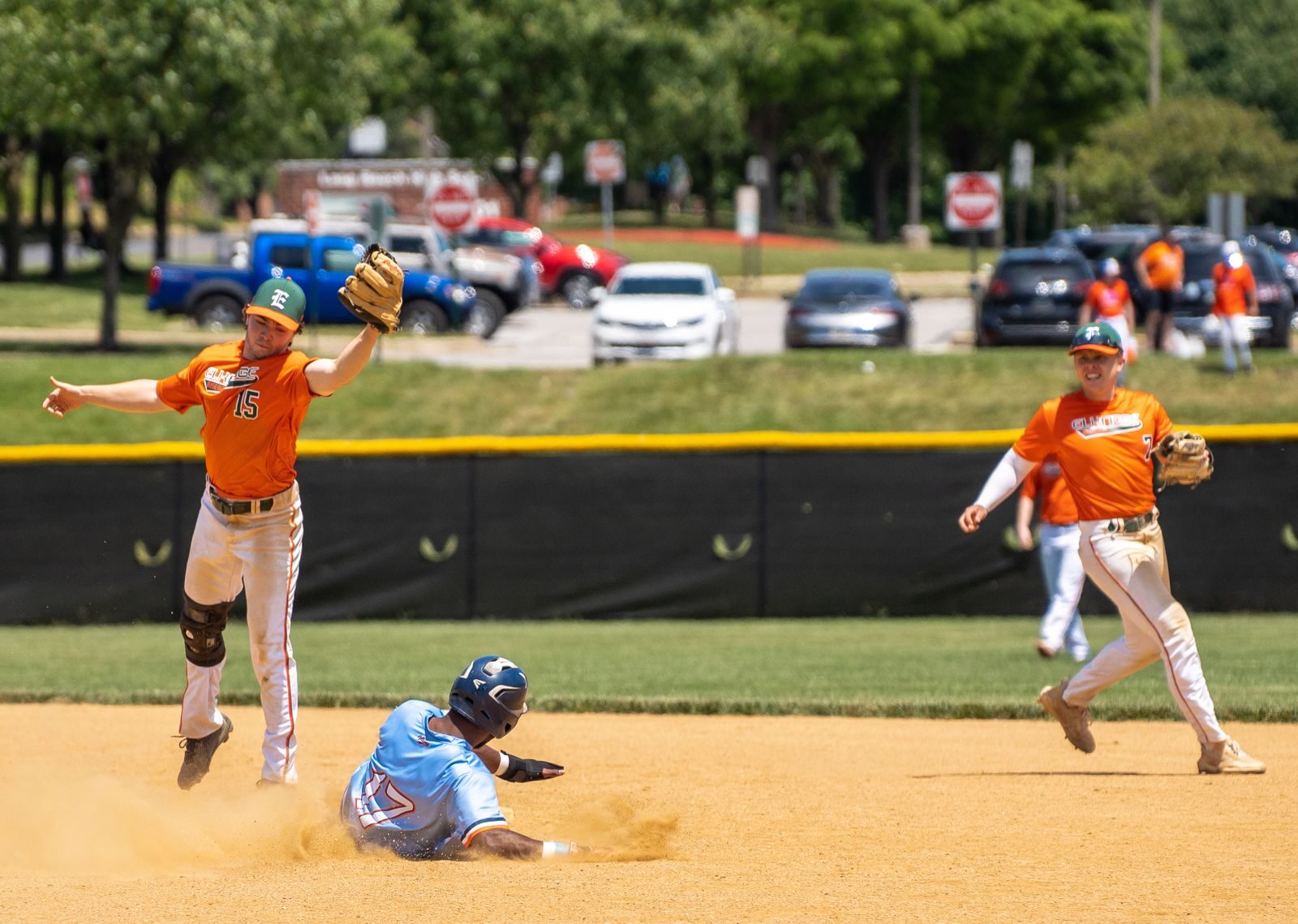
Second Baseman's Fielding Guide
Second base requires quick hands, fast feet, and exceptional baseball IQ. You're involved in more plays than almost any other position. This guide covers everything from routine grounders to double play turns.
Core Responsibilities
Primary Duties
- Field your position - Grounders, pop-ups, line drives
- Turn double plays - The "pivot" at second base
- Cover second base - Steals, force plays, tags
- Relay throws - Cutoffs from right-center field
- Communicate - Work with shortstop constantly
The Middle Infield Partnership
- You and the shortstop are a team within a team
- Know each other's range and abilities
- Constant communication
- Share coverage responsibilities
Positioning
Standard Position (Nobody On)
- Approximately 20-25 feet from second base
- Varies based on:
- Batter (lefty/righty)
- Game situation
- Pitcher (strikeout vs. ground ball pitcher)
- Infield surface (fast/slow)
Double Play Depth
- Move closer to second base
- Cheat toward the bag
- Trade range for quicker turn
- About 15-18 feet from bag
In/Back Adjustments
- In (close to hitter): Need ground ball, infield in
- Standard: Normal depth
- Back (deep): Two outs, no force at home
Situational Responsibilities
Nobody On Base
Ground Ball to You
Your job: FIELD AND THROW TO FIRST
- Get in front of the ball
- Field with two hands
- Shuffle toward first base
- Throw across the body if needed
- Strong, accurate throw
Charging a Slow Roller:
- Attack the ball
- Field with glove or barehand
- Momentum toward first
- Quick release, arm-side throw
Ground Ball to First Baseman
Your job: COVER FIRST BASE
- Read the play immediately
- Sprint to cover first
- Receive the throw, touch the bag
- Clear the runner's path
Ground Ball to Third Base or Shortstop
Your job: BACK UP FIRST BASE (or cover second)
- Most of the time: Back up first
- If throw goes to second (unusual): Be there
- Position yourself for possible overthrow
Pop-Up on Right Side
Your job: TAKE CHARGE
- You have priority over first baseman
- Call it loud
- Give way to shortstop in no-man's land
- Communication prevents collisions
Runner on First Base
Ground Ball to You
Your job: START OR TURN THE DOUBLE PLAY
Option 1: Feed to Shortstop (Ball Hit to Your Left)
- Field cleanly
- Pivot toward second base
- Firm, chest-high throw to shortstop
- Aim for his chest/glove-side
- Get out of the baseline
Option 2: Take It Yourself (Ball Hit at You or Right)
- Field the ball
- Move toward second base
- Touch the bag, pivot, throw to first
- Clear for return throw
Ground Ball to Shortstop or Third Base
Your job: COVER SECOND FOR THE FORCE
- Sprint to the bag
- Receive the throw
- Turn and throw to first (if time)
- Get out of the way of the sliding runner
Double Play Turn at Second Base:
The Basics:
- Get to the bag early
- Give a target
- Catch the ball FIRST
- Find the bag with your feet
- Throw to first
- Avoid the runner
Footwork Options:
- Inside Pivot: Catch, step on back of bag, throw
- Across the Bag: Catch, step across toward right field side, throw
- Step Back: Catch, step behind the bag, throw
- Jump Turn: Catch, jump over runner, throw
Safety First:
- Never sacrifice your body for an out
- Get off the bag before the runner arrives
- Jump/fade away from the slide
- An injury isn't worth a double play
Runner on Second Base
Ground Ball to You
Your job: LOOK THE RUNNER BACK, THROW TO FIRST
- Field the ball
- Look at the runner (freeze them)
- Throw to first for the out
- Don't let runner advance to third
Ground Ball to Third Base or Shortstop
Your job: COVER SECOND BASE
- Be at the bag for potential play
- Runner may be advancing
- Be ready to receive throw
Fly Ball to Outfield
Your job: WATCH RUNNER, COVER OR RELAY
- Deep fly: Runner will tag
- Shallow fly: Be at second for possible force
- Be the relay man on throws from right-center
Runner on Third Base (Less Than 2 Outs)
Ground Ball to You
Your job: CHECK THE RUNNER, MAKE THE PLAY
- Field cleanly
- Look the runner back (quick check)
- Throw to first
- If runner breaks: Throw home
Infield In:
- Play is at home
- Field and throw home immediately
- Firm, accurate throw to catcher
Runners on First and Second
Ground Ball to You
Your job: DOUBLE PLAY
- Same as runner on first
- Turn two to get out of the inning
- Touch second, throw to first
Ground Ball to Shortstop or Third Base
Your job: TURN THE DOUBLE PLAY AT SECOND
- Get to the bag
- Receive the throw
- Turn and throw to first
- Avoid both runners
First and Third Situation
For detailed coverage of this situation, see the First and Third Defense guide.
Second Baseman's Role:
- Know the play call
- May be covering second or faking coverage
- Be ready for the steal situation
- Communicate with shortstop pre-pitch
Double Play Turns (Detailed)
Receiving from Shortstop
Ball in the Hole (SS's Right):
- You have more time
- Get to the bag early
- Square your body to shortstop
- Receive, step behind bag, throw
Ball Up the Middle:
- Quick exchange needed
- Meet the ball, don't wait
- Catch and throw in one motion
- Jump over the runner
Ball to Your Left:
- Shortstop is feeding on the run
- Be ready for a quick exchange
- Stay on the outfield side of the bag
Receiving from Third Baseman
- Longer throw, more time to set up
- Square to third base
- Receive, touch bag with left foot, throw
- Get off the bag before the slide
Receiving from Pitcher
- Quick, short feed
- Be at the bag
- Watch for runner in your throwing path
- Step to first base side and throw
Receiving from Catcher
- Usually on steal situation
- Tag play, not force
- Straddle the bag
- Catch and sweep tag down
Covering Second Base
Force Play Coverage
- Get to the bag before the throw
- Set up for the throw
- Catch, touch bag, clear
Steal Coverage
When Shortstop Has the Throw:
- Be the backup, not the receiver
- Back up a few steps behind shortstop
- Ready for overthrow or pop-up
When You Have the Throw:
- Straddle the bag
- Give the catcher target
- Catch the throw
- Quick sweep tag (down, not up)
Cutoffs and Relays
Relay from Right-Center Field
Your job: Be in the line
- Position between outfielder and target
- Arms up, give a target
- Catch the throw
- Listen for instructions ("Cut!" "Let it go!")
- Make the relay throw
Backing Up Throws
- When shortstop is the relay: Back him up
- When throw goes to another base: Back up appropriate base
Pop-Up Priorities
On the Right Side
- Second baseman (priority in short right)
- First baseman (near the line)
- Right fielder (deeper balls)
- Shortstop calls you off in the middle
Communication
- Call it early and loud
- Wave off teammates
- "Mine! Mine! Mine!"
- If someone else calls it: "You got it! You got it!"
Pickoff Plays
Daylight Play
- When you see daylight between runner and bag
- Quick dart to second base
- Receive pickoff throw from pitcher
- Quick tag
Timing Play
- Predetermined time (3 counts, etc.)
- Break to bag on specific count
- Pitcher turns and throws
- Tag the runner
Communication with Pitcher
- Signs before the pitch
- Eye contact confirmation
- Verbal code ("Blue" means go, etc.)
Communication
With Shortstop
- Coverage signs: "I got it" / "You got it"
- Pickoff plays
- Who's covering on steal
- Positioning adjustments
With Pitcher/Catcher
- Pickoff signs
- Coverage confirmation
- Defensive calls
Verbal Calls
- "I got it!" on pop-ups
- "Flip!" when feeding second base
- "Fire!" telling first baseman to throw
- "Runner!" alerting to advancing runner
Mental Keys
Pre-Pitch Checklist
- How many outs?
- Where are the runners?
- Who's covering second on a steal?
- What's my play on a ground ball?
- Double play depth or regular?
Stay Ready
- On your toes every pitch
- Anticipate where the ball will be hit
- Know your responsibilities BEFORE the pitch
- Communicate with shortstop constantly
Building Chemistry
- Work with your shortstop in practice
- Develop your own signs
- Know each other's range
- Trust each other's calls