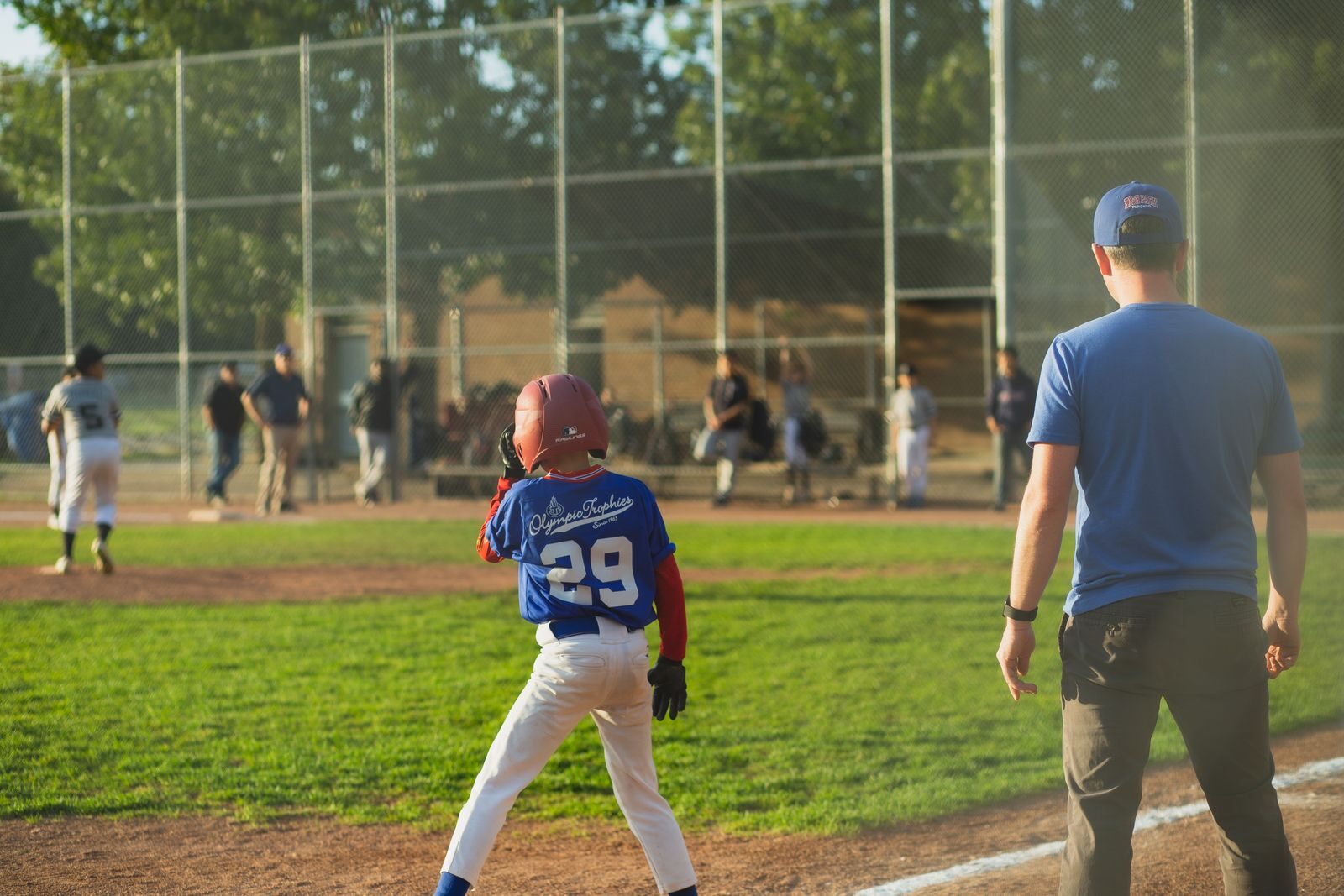
Working With Struggling Players
Every team has players who struggle. Maybe they're behind developmentally, going through a slump, or just need more time. How you coach these players defines your character as a coach and can change a kid's relationship with the sport forever. This guide provides strategies for helping struggling players improve and stay engaged.
Understanding Why Players Struggle
Identify the root cause to address it effectively.
Physical Reasons
Developmental:
- Later physical maturity
- Coordination still developing
- Smaller or less athletic
- Hand-eye coordination developing
Skill-based:
- Limited prior instruction
- Less practice time
- Started later than peers
- Natural ability differences
Physical limitations:
- Vision issues (very common)
- Strength deficits
- Flexibility limitations
- Minor injuries affecting performance
Mental Reasons
Confidence:
- Fear of failure
- Anxiety about performance
- Comparing to others
- Previous bad experiences
Focus:
- Attention issues
- Processing speed
- Overthinking
- External distractions
Motivation:
- Playing for wrong reasons
- Doesn't love the game
- External pressure
- Burnout
External Reasons
Support:
- Less practice at home
- Limited parent involvement
- Fewer resources
- Late start in organized ball
Environment:
- Previous negative coaching
- Bullying or exclusion
- Family stress
- Too many activities
Assessment First
Before you can help, understand where they are.
Honest Evaluation
Watch for:
- Specific skill deficits
- When they struggle most
- What they do well
- How they respond to challenge
Assess:
- Throwing accuracy and strength
- Catching consistency
- Batting contact rate
- Fielding fundamentals
- Game awareness
Talk to the Player
Ask privately:
- "What part of the game is hardest for you?"
- "What do you want to get better at?"
- "Is anything bothering you about baseball/softball?"
- "What can I do to help you?"
Listen for:
- Self-awareness
- Desire to improve
- External pressures
- Love of the game
Check the Basics
Often overlooked:
- Can they see the ball? (Vision check)
- Do they have proper equipment?
- Are they getting enough sleep?
- Is something happening at home/school?
Building Confidence
The mental side often matters more than skill.
Create Success Opportunities
In practice:
- Modified drills for success
- Shorter distances
- Slower speeds
- More achievable challenges
In games:
- Positions where they can succeed
- Batting order that fits ability
- Situations that match their skills
- Small wins to build on
Praise Effectively
Focus on:
- Effort, not just results
- Improvement over time
- Specific things done well
- Process over outcome
Avoid:
- Empty praise ("Great job!" without substance)
- Comparisons to other players
- Praising only results
- Overlooking small wins
Normalize Struggle
Help them understand:
- Everyone struggles at some point
- Professional players fail constantly
- Improvement takes time
- Struggle is part of growth
Share examples:
- Stories of players who developed late
- Your own struggles
- Famous players who overcame challenges
- Teammates who improved
Skill Development Strategies
Meeting them where they are.
Simplify
Break skills down:
- One element at a time
- Master before adding complexity
- No information overload
- Clear, simple cues
Example: Hitting
Increase Repetitions
More touches:
- Extra batting practice swings
- More ground balls in practice
- Partner throwing sessions
- At-home suggestions
Quality over quantity:
- Correct reps, not just reps
- Focus on one thing
- Immediate feedback
- Stop when form breaks down
Modify Drills
Make drills accessible:
- Shorter distances
- Bigger/softer balls
- Slower speeds
- More time to process
Maintain challenge:
- Gradually increase difficulty
- Don't keep them at easy level
- Build toward standard
- Celebrate progression
Individual Attention
When possible:
- Pull aside for specific work
- Before/after practice time
- Partner with assistant coach
- Video analysis (if helpful)
Game Day Approaches
Managing games for struggling players.
Playing Time
They must play:
- Not just minimum innings
- Meaningful time
- Multiple positions
- Batting opportunities
Balance with team:
- May not play highest-leverage moments
- But still contribute
- Build toward more responsibility
- Success builds opportunity
Position Considerations
Find good fits:
- Right field isn't punishment, it's opportunity
- Positions with less pressure
- Positions matching their strengths
- Rotation allows development
Avoid:
- Always playing them at same "easy" position
- Benching them in close games
- Making them feel like burden
- Public explanations of positioning
Batting Order
Place thoughtfully:
- Not always at the bottom
- Rotate through the order
- Consider game situation
- Build confidence through success
Communication
How you talk to struggling players matters.
With the Player
Regular check-ins:
- Private, brief conversations
- Focus on specific improvements
- Ask how they're feeling
- Set small goals together
Language matters:
- "You're improving at..." not "You're not good at..."
- "Try this next time" not "Stop doing that"
- "I noticed you worked hard on..." not "You didn't mess up..."
- Future-focused, not past-dwelling
With Parents
Proactive communication:
- Share what you're working on
- Celebrate improvements with them
- Acknowledge their child's effort
- Ask for support at home
When parents are anxious:
- Listen first
- Share development plan
- Set realistic expectations
- Focus on enjoyment
With Teammates
Create supportive environment:
- No negative comments about teammates
- Celebrate everyone's successes
- Pair struggling players with supportive ones
- Address bullying immediately
Preventing Dropout
Keeping them in the game.
Recognize Warning Signs
Watch for:
- Not wanting to come to practice
- Negative body language
- Tears or frustration
- Withdrawal from teammates
Check in when you see:
- Performance decline
- Attitude change
- Absence increase
- Parent concerns
Focus on Enjoyment
Remember why they're there:
- To have fun
- To be with friends
- To be active
- To be part of a team
Not:
- To become professional
- To win trophies
- To please parents
- To meet your expectations
Find Their Role
Every player can contribute:
- Great teammate and cheerleader
- Hustle and effort example
- Specific skill (maybe they're fast)
- Positive attitude
Celebrate these contributions:
- Publicly acknowledge value
- Give team roles
- Build identity beyond stats
- Make them feel needed
Working with Parents
Partner with them for player success.
When Parents Are Frustrated
Listen and empathize:
- They want their child to succeed
- Their frustration is natural
- Don't be defensive
- Acknowledge their concerns
Then:
- Share what you're doing
- Set realistic expectations
- Suggest home activities
- Keep them involved
When Parents Are the Problem
Signs:
- Over-coaching at home
- Creating pressure
- Criticizing performance
- Living through their child
Your approach:
- Address privately
- Focus on player wellbeing
- Suggest less is more
- Prioritize kid's experience
When Parents Aren't Involved
The challenge:
- Less practice at home
- No reinforcement
- May be transportation issues
- May be disinterest
Your response:
- Extra attention in practice
- Pair with committed teammates
- Provide equipment if needed
- Celebrate any support
When to Refer
Recognizing when it's not just baseball/softball.
Beyond Your Scope
Watch for:
- Persistent anxiety
- Depression signs
- Learning differences
- Vision/hearing issues
- Family crisis impacts
Your role:
- Notice, don't diagnose
- Suggest professional evaluation
- Support the family
- Accommodate when possible
Having the Conversation
With parents:
- Private and caring
- "I've noticed..."
- "Have you considered..."
- "There's no shame in..."
- Provide resources if available
Success Stories
Remember why this matters.
The Late Bloomer
Many great players struggled early:
- Physical development comes later
- Coordination takes time
- Skills can be taught
- Mental toughness builds
Your Impact
What you do now:
- Can define their relationship with sport
- Can build lifelong confidence
- Can teach perseverance
- Matters more than wins
Key Reminders
- Every player has value - Find it and nurture it
- Meeting them where they are - Not where you want them to be
- Patience is essential - Development takes time
- Celebrate small wins - Progress is progress
- Confidence before competence - They need to believe
- Check the basics - Vision, equipment, support
- Communicate regularly - Don't let them feel forgotten
- Fun is the foundation - If it's not fun, nothing else matters