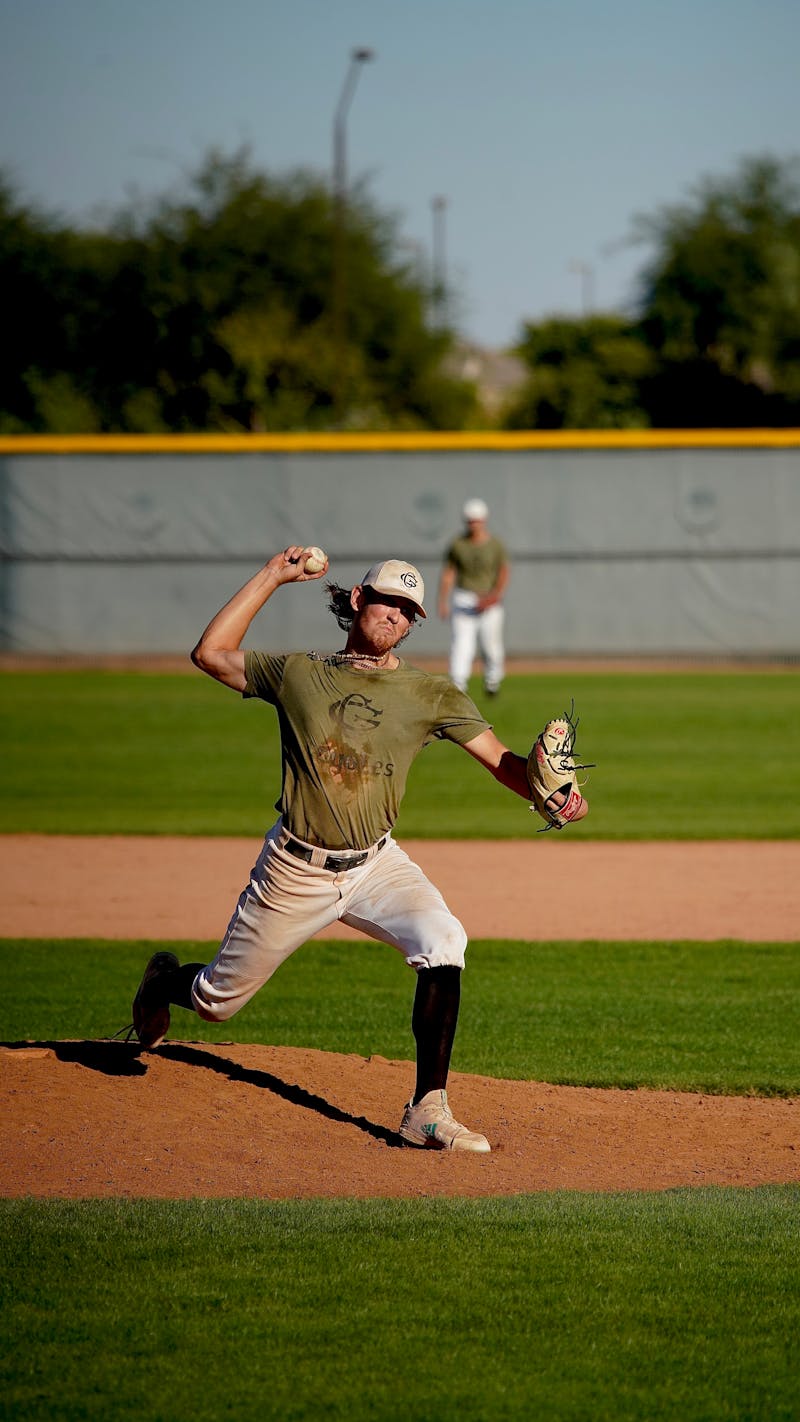
Pre-Game Warm-Up Routine
A consistent pre-game routine prepares players physically and mentally for competition. It elevates body temperature, activates muscles, and focuses the mind. This guide provides a complete warm-up sequence appropriate for youth baseball and softball.
Warm-Up Goals
What a good pre-game routine accomplishes.
Physical Preparation
- Elevate heart rate - Increase blood flow to muscles
- Raise body temperature - Muscles work better warm
- Activate key muscles - Baseball/softball specific
- Improve range of motion - Prepare joints
- Prime the nervous system - Sharpen reactions
Mental Preparation
- Transition to competition mode - Leave other thoughts behind
- Build confidence - Feel prepared
- Team connection - Unite before competition
- Focus the mind - Game awareness begins
- Establish routine - Familiarity breeds comfort
Timing and Structure
How to organize your warm-up.
Timeline
| Time Before Game | Activity |
|---|---|
| 45-50 min | Arrive, organize equipment |
| 40-45 min | Light jog, dynamic stretching |
| 30-40 min | Throwing progression |
| 20-30 min | Position-specific work |
| 10-20 min | Batting practice / Live BP |
| 5-10 min | Final team huddle |
Adjust for Your Situation
If you have 30 minutes:
- Shorten each phase
- Prioritize throwing and position work
- Quick dynamic warm-up
If field isn't available:
- Dynamic warm-up in outfield
- Throwing in available space
- Mental preparation emphasis
Phase 1: Light Jog and Movement (5-7 minutes)
Get the body moving and blood flowing.
Light Jog
- 2-3 laps around the field (or equivalent)
- Easy pace, not racing
- Stay as a team
Movement Patterns
Across outfield or available space:
- High knees - 20 yards
- Butt kicks - 20 yards
- Side shuffles - 20 yards each direction
- Carioca - 20 yards each direction
- Skip - 20 yards
- Backward jog - 20 yards
Key Points
- Keep it light, not exhausting
- Cover all planes of motion
- Begin at 50%, increase to 75%
- No static stretching yet
Phase 2: Dynamic Stretching (5-7 minutes)
Prepare muscles through movement.
Lower Body
Walking lunges - 10 yards
- Step forward into lunge
- Back knee toward ground
- Alternate legs
Walking leg cradles - 10 yards
- Lift knee, grab shin
- Pull toward chest
- Step through
Lateral lunges - 10 yards
- Step to side, sit back
- Keep chest up
- Alternate sides
Straight leg kicks - 10 yards
- Kick leg straight up
- Opposite hand toward toe
- Keep standing leg straight
Walking quad stretch - 10 yards
- Grab ankle behind
- Pull heel to glute
- Balance, step through
Upper Body
Arm circles - 10 each direction
- Small to large
- Forward and backward
- Full range of motion
Cross-body arm swings - 10 reps
- Arms straight out
- Cross in front of chest
- Alternate which arm is on top
Trunk rotations - 10 each side
- Feet planted
- Rotate upper body
- Arms follow
Wrist circles - 10 each direction
- Rotate wrists
- Both directions
Phase 3: Throwing Progression (10-12 minutes)
Systematically prepare the arm for game action.
Wrist Flips (1 minute)
- 10-15 feet apart
- Just wrist action
- Focus on four-seam grip
- Easy catches
Short Throws (2 minutes)
- 30-40 feet
- One knee optional
- Focus on arm path
- Smooth delivery
Medium Distance (3 minutes)
- 60-90 feet
- Full arm action
- Crow hop introduced
- Build arm strength gradually
Long Toss (3 minutes)
- Maximum comfortable distance
- Arc is okay
- Not maximum effort
- Builds arm readiness
Pull It Back In (2 minutes)
- Work back to 60-90 feet
- Flat throws now
- Game-like arm strength
- Focus on accuracy
Position-Specific Throws (1-2 minutes)
- Infielders: quick release, footwork
- Outfielders: crow hop, strong throws
- Catchers: throw downs
- Pitchers: final flat ground or bullpen
Phase 4: Position Work (10 minutes)
Game-specific preparation by position.
Infield
Ground ball routine:
- Coach hits ground balls
- Routine plays first
- Add backhand, slow roller
- Work on footwork and transfers
Rotation:
- Each infielder gets 3-4 balls
- Throw to first
- Rotate through all positions
Outfield
Fly ball routine:
- Coach hits fly balls
- Straight-on catches first
- Add balls to either side
- Practice crow hop throws
Focus on:
- First step reactions
- Routes to the ball
- Strong throws to cutoff
Catchers
Separate routine:
- Full gear
- Block balls
- Throw downs to second
- Receive pitcher warm-up
Pitchers
Bullpen or flat ground:
- Build up pitches gradually
- All pitches in repertoire
- Finish ready to start game
- Don't overthrow
Phase 5: Batting Practice (10-15 minutes if time allows)
Brief swings to time pitches.
Round Robin BP
- 5-6 swings per hitter
- Quick rotation
- Mix locations
- Game speed when possible
Soft Toss Option
If no time for BP:
- Quick soft toss
- 10-15 swings each
- Just to feel the swing
- Better than nothing
Mental Reps
If no swings possible:
- Visualization
- Practice swings
- Watch pitcher warm up
- Focus on timing
Phase 6: Final Preparation (5 minutes)
The last moments before game time.
Team Huddle
- Bring everyone together
- Quick reminders
- Focus points for the game
- Energy builder
Mental Focus
- Know your first play
- Review defensive positioning
- Deep breaths
- Positive thoughts
Final Physical Prep
- Light jog if standing a while
- Arm swings
- Stay loose
- Ready to perform
Age-Specific Adjustments
Ages 6-8
- Shorter routine (15-20 minutes total)
- Simple movements
- Fun activities
- Lots of guidance
- No long toss
Ages 9-10
- 20-25 minute routine
- More structure
- Basic position work
- Supervised throughout
- Age-appropriate throwing
Ages 11-12
- Full routine possible
- Player leaders can help
- More autonomy
- Game-specific focus
Ages 13-14
- Adult-style routine
- Players largely self-directed
- Coach provides structure
- High intensity preparation
Common Mistakes to Avoid
Starting Cold
Problem: Throwing or hitting without warm-up Risk: Arm injuries, poor performance Solution: Always do dynamic warm-up first
Static Stretching First
Problem: Holding stretches before activity Risk: Reduces power output, doesn't prevent injury Solution: Save static stretching for after games
Too Much Too Soon
Problem: Full effort throws early in warm-up Risk: Arm strain Solution: Gradual progression always
Rushing the Warm-Up
Problem: Skipping steps when time is short Risk: Not prepared to perform Solution: Shorten each phase, don't skip any
Standing Around
Problem: Waiting too long between activities Risk: Body cools down Solution: Keep moving, stay active
Weather Adjustments
Hot Weather
- Shorten some activities
- More water breaks
- Light layers to start
- Longer recovery between phases
Cold Weather
- Longer warm-up needed
- Keep layers on longer
- More movement activities
- Stay moving between phases
Wet Conditions
- Careful on slippery surfaces
- May need indoor alternatives
- Focus on what's safe
- Throwing can happen anywhere
Sample Quick Warm-Up (20 minutes)
When time is limited.
| Time | Activity |
|---|---|
| 0-3 min | Light jog, movement patterns |
| 3-6 min | Quick dynamic stretching |
| 6-12 min | Throwing progression (abbreviated) |
| 12-18 min | Quick position work |
| 18-20 min | Team huddle |
Key Reminders
- Consistency matters - Same routine every game
- Start light - Build intensity gradually
- Dynamic before static - Movement first, stretching after
- Throwing progression - Never skip arm prep
- Position-specific - Game-ready for your spot
- Mental preparation - Mind and body together
- Stay loose - Keep moving until game time
- Adjust to conditions - Weather, time, facilities