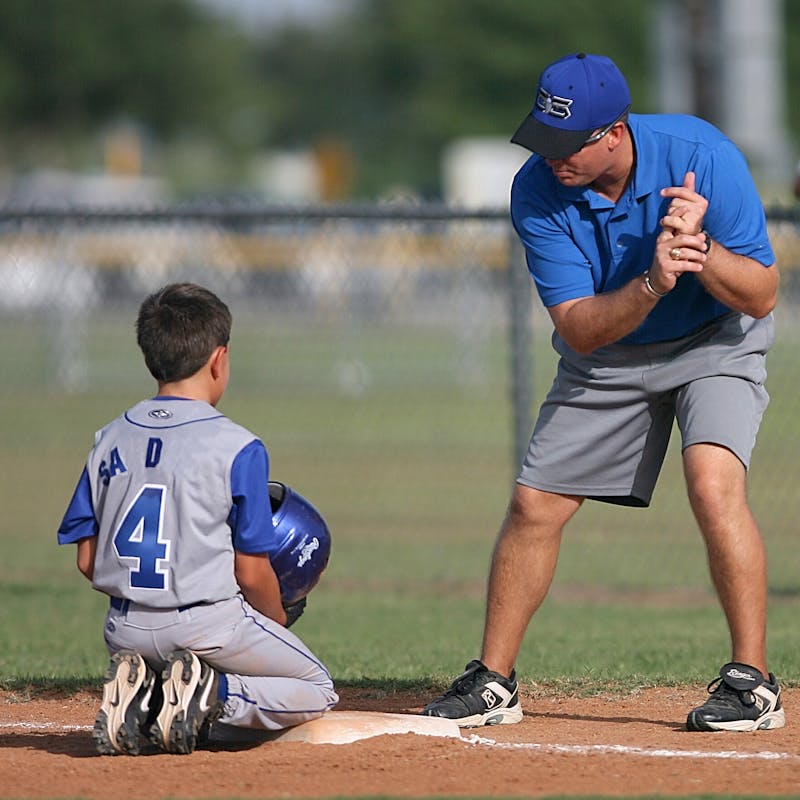
Arm Care for Youth
Youth arm injuries are at epidemic levels. Tommy John surgeries in teenagers have increased dramatically over the past two decades. The good news: most of these injuries are preventable. This guide provides coaches with the knowledge to protect young arms while still developing competitive pitchers.
Why Youth Arms Are Vulnerable
Understanding the risks.
Growth Plates
What they are:
- Areas of developing cartilage at bone ends
- Allow bones to grow
- Weaker than surrounding tissue
- Present until late teens
Why they matter:
- Most vulnerable part of young arm
- Can separate under stress
- Damage can affect growth
- Located at shoulder and elbow
Developing Muscles and Tendons
- Muscles are still strengthening
- Tendons not fully developed
- Ligaments more susceptible to damage
- Recovery systems still maturing
Repetitive Stress
- Same motion repeated hundreds of times
- Micro-damage accumulates
- Insufficient recovery compounds
- Eventually leads to injury
Pitch Count Guidelines
The most important safety measure.
MLB/USA Baseball Guidelines
| Age | Daily Max | 0 Days Rest | 1 Day Rest | 2 Days Rest | 3 Days Rest | 4 Days Rest |
|---|---|---|---|---|---|---|
| 7-8 | 50 | 1-20 | 21-35 | 36-50 | N/A | N/A |
| 9-10 | 75 | 1-20 | 21-35 | 36-50 | 51-65 | 66+ |
| 11-12 | 85 | 1-20 | 21-35 | 36-50 | 51-65 | 66+ |
| 13-14 | 95 | 1-20 | 21-35 | 36-50 | 51-65 | 66+ |
Key Rules
- No pitcher should throw on consecutive days if they threw 40+ pitches
- Required rest is mandatory based on pitches thrown
- Pitch counts include all pitches (warm-ups don't count if done in bullpen)
- Daily max is per calendar day not per game
- Track every pitch every time
Implementing Pitch Counts
Someone must count:
- Designate a pitch counter
- Count every pitch
- Record in scorebook
- Report to coach
Track across games:
- Weekly totals matter
- Rest between appearances
- Season volume considerations
- Tournament awareness
Rest Requirements
Recovery is as important as activity.
Between Pitching Appearances
Follow the chart above strictly. Add more rest when:
- Player reports any discomfort
- Velocity noticeably drops
- Control deteriorates
- Multiple games in a week
Weekly Limits
Beyond daily counts, monitor weekly totals:
| Age | Recommended Weekly Max |
|---|---|
| 9-10 | 75 pitches |
| 11-12 | 100 pitches |
| 13-14 | 125 pitches |
Season Considerations
- 3-4 months off from pitching annually
- No year-round pitching
- Position play during "off" months
- Complete rest periods
Warning Signs
Know when to stop.
Immediate Stop Signs
Pain:
- Any elbow pain
- Any shoulder pain
- Any forearm pain
- Any wrist pain
Performance decline:
- Sudden velocity drop
- Sudden control loss
- Mechanical changes
- Fatigue indicators
After the Game
Monitor for:
- Stiffness that doesn't resolve
- Swelling
- Pain when throwing (any time)
- Decreased range of motion
- Weakness
What to Do
- Stop pitching immediately
- Ice the arm (15-20 minutes)
- Rest completely (days to weeks depending on severity)
- See a doctor if pain persists more than 48 hours
- No return until pain-free
Breaking Ball Guidelines
When is it safe to throw curves and sliders?
Age Recommendations
| Pitch | Recommended Age |
|---|---|
| Fastball | All ages |
| Changeup | 8+ (safe because fastball mechanics) |
| Curveball | 14+ |
| Slider | 16+ |
| Cutter | 16+ |
Why These Limits
Curveballs and sliders:
- Put extra stress on elbow
- Require wrist/forearm actions
- Growth plates at risk
- Not necessary for youth success
The reality:
- Fastball command + changeup beats most youth hitters
- Learning curve later is fine
- Arm health is permanent
- Don't sacrifice future for present
If Players Insist
Teach proper mechanics:
- Spin, don't twist
- Maintain fastball arm speed
- Minimal wrist action
- Keep volume very low
Limit severely:
- No more than 25% of pitches
- Fewer in games than practice
- Extra rest required
- Stop at first sign of discomfort
Proper Mechanics
Good form protects the arm.
Key Mechanical Elements
Balance:
- Controlled delivery
- Not falling to either side
- Stable landing
Arm path:
- Smooth, circular motion
- Elbow at shoulder height
- No "short arming"
- No arm drag
Hip-shoulder separation:
- Hips open first
- Shoulders follow
- Creates natural deceleration
- Reduces arm stress
Red Flag Mechanics
Watch for:
- Inverted W (elbows above shoulders at break)
- Arm dragging behind body
- Elbow dropping below shoulder
- Opening early
- Landing stiff
Address immediately:
- Video if possible
- Work with qualified instructor
- Reduce pitching volume while fixing
- Mechanics before velocity
Year-Round Considerations
Managing total arm stress.
Multi-Sport Benefits
Encourage:
- Playing other sports
- Different movement patterns
- Overall athleticism
- Mental breaks
Sports that help:
- Basketball (general athleticism)
- Soccer (lower body, conditioning)
- Swimming (shoulder health)
Single-Sport Risks
Problems with baseball/softball only:
- Same stresses year-round
- No recovery period
- Mental burnout
- Higher injury rates
The Off-Season
3-4 months recommended:
- Complete rest from competitive pitching
- Position play okay
- Light throwing after rest period
- Build up gradually for next season
Arm Care Exercises
Preventive maintenance for young arms.
Daily Routine (5 minutes)
Wrist exercises:
- Wrist curls (light weight or resistance band)
- Reverse wrist curls
- Wrist rotations
- 10-15 reps each
Shoulder exercises:
- External rotation with band
- Internal rotation with band
- Scapular squeezes
- 10-15 reps each
When to do it:
- Before practice/games
- After practice/games
- Rest days (lighter version)
Proper Throwing Warm-Up
Every time, no exceptions:
- Dynamic warm-up first
- Start short, finish long
- Gradual intensity increase
- Never throw hard on cold arm
Special Situations
Managing high-volume scenarios.
Tournaments
Planning:
- Know pitch count limits
- Multiple pitchers required
- Track cumulative counts
- Plan rest before next event
During tournament:
- Stick to limits regardless of game situation
- Have backup plans
- Don't sacrifice health for trophy
- Monitor all arms, not just pitchers
Multiple Teams
If player is on multiple teams:
- Communication between coaches mandatory
- Combined pitch count tracking
- Rest requirements across all teams
- Consider single-team participation
Showcases
College exposure events:
- Players often overtry
- Velocity can hurt arm
- Scouts value health
- One event isn't worth injury
Coach's Responsibilities
What you must do.
Non-Negotiable Actions
- Count every pitch - Every game, every pitcher
- Enforce rest requirements - No exceptions
- Develop multiple pitchers - Don't rely on one arm
- Watch for warning signs - And act immediately
- Communicate with parents - Share pitch counts
- Lead the culture - Arm health is priority
Parent Education
Help parents understand:
- Why limits exist
- Warning signs to watch
- Year-round considerations
- Long-term perspective
Building a Culture
Team-wide approach:
- Every pitcher matters
- No one is indispensable
- Process over results
- Future over present
The Long-Term Perspective
Why this matters.
Statistics
- 50% of youth pitchers experience arm pain
- Tommy John surgeries in youth up 800% since 2000
- Most injuries are preventable
- Recovery from serious injury takes 12-18 months
Your Role
You're not just coaching for today:
- Their high school career matters
- Their college opportunity matters
- Their adult health matters
- One season isn't worth a career
Key Reminders
- Pitch counts are mandatory - Not optional, not flexible
- Pain means stop - No playing through it
- Rest is required - Not suggested, required
- No curve balls under 14 - Changeups work better anyway
- Year-round pitching is dangerous - Take time off
- Good mechanics protect - Invest in proper instruction
- Develop multiple pitchers - Never rely on one arm
- Future over present - Always