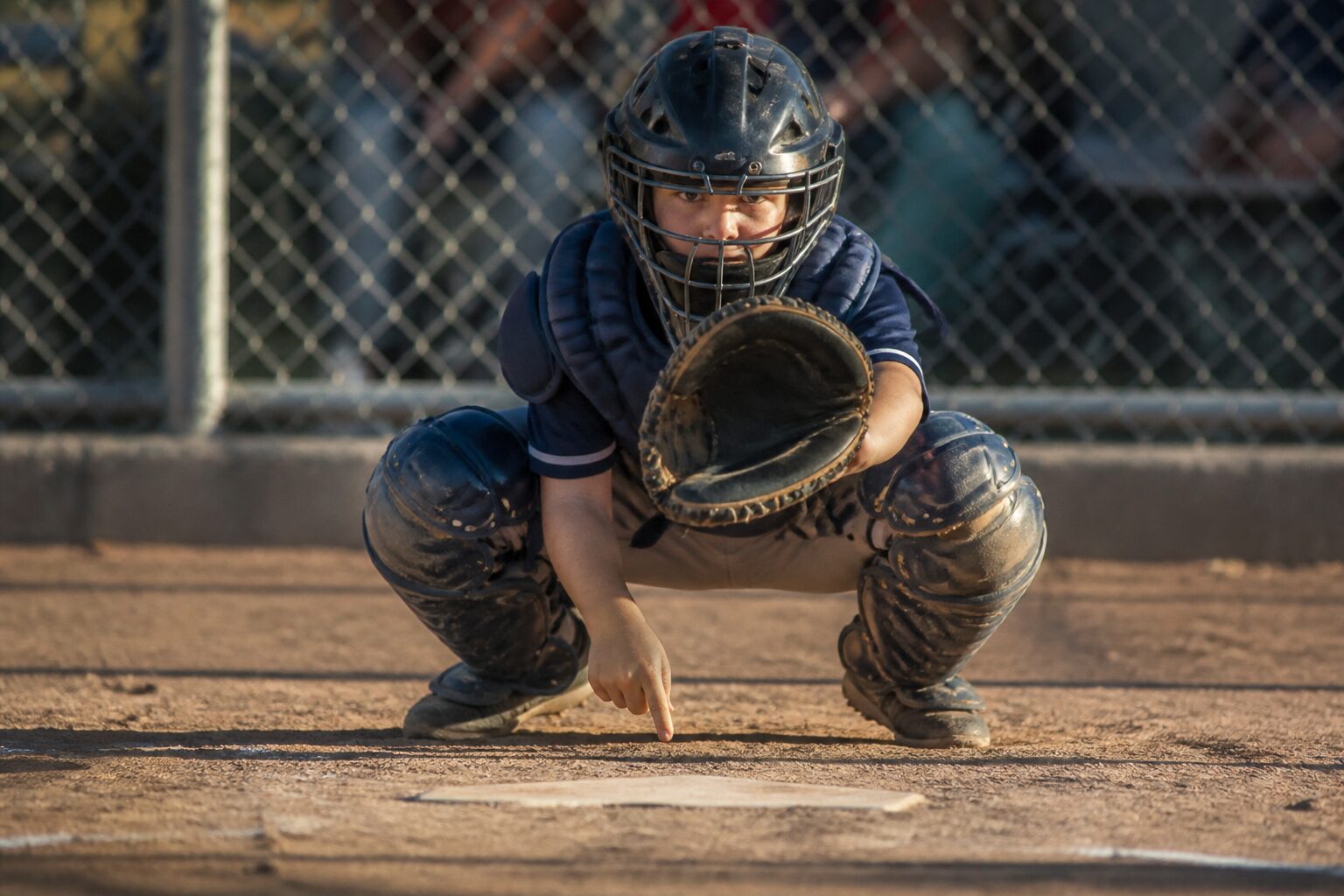
Pickoff Signs: Complete Guide
Pickoff plays require coordination between multiple players. The catcher, pitcher, and infielders must all be on the same page. This guide covers the sign systems for pickoffs at every base.
Who Initiates Pickoff Plays?
Catcher-Initiated
- Catcher sees a big lead
- Catcher gives the sign
- Pitcher and infielder execute
Pitcher-Initiated
- Pitcher has a good move
- Pitcher picks without sign
- Infielder must be ready
Infielder-Initiated
- Infielder sees daylight (runner off the bag)
- Infielder gives the sign
- Pitcher throws on the movement
Coach-Initiated
- Coach signals from dugout
- Catcher relays to pitcher
- Team executes
Pickoff Signs at First Base
Catcher to Pitcher
Common Signs:
- Touch the mask = Pickoff to first
- Touch the chest protector = Pickoff to first
- Closed fist after pitch sign = Pick before the pitch
- Touch the shin guard = Step off and look
Timing:
- Sign given before pitch selection
- Or: Sign given as part of the sequence
- Pitcher acknowledges with head nod
When to Pick
Good Situations:
- Runner has big lead
- Runner is leaning toward second
- First pitch of at-bat (surprise)
- After a ball in the dirt
- Before a hit-and-run count (1-0, 2-1)
Bad Situations:
- Two outs, no force
- Big lead in game (no risk needed)
- Pitcher has bad move (wastes time)
Pickoff Signs at Second Base
Second base pickoffs are more complex because the pitcher's back is to second base.
Timing Play Signs
The Count System:
- Infielder (shortstop or second baseman) gives a sign
- Sign indicates when to throw
- Pitcher and infielder both count
- They arrive at the bag together
Common Signs:
| Sign | Meaning |
|---|---|
| Touch glove | Throw on 2 |
| Touch hat | Throw on 3 |
| Touch belt | Throw on 4 |
| Touch chest | Throw on 5 |
Execution:
- Infielder gives sign (touches glove = 2)
- Pitcher comes set
- Both count: "1... 2..."
- On 2: Infielder breaks to bag, pitcher spins and throws
- They arrive together
- Tag the runner
The Daylight Play
How It Works:
- Infielder watches the runner
- When runner takes too big a lead ("daylight" between him and bag)
- Infielder breaks to the bag
- Pitcher sees the movement and throws
- No predetermined count
Signs:
- Eye contact = Daylight play is on
- Infielder moving toward bag = Throw now
Who Covers Second?
Shortstop Covers (Most Common)
- Shortstop has shorter throw to tag
- Used when runner leans toward third base side
- Second baseman backs up
Second Baseman Covers
- Used when runner leans toward first base side
- Shortstop backs up
- Less common
Communication:
- Before the pitch, infielders make eye contact
- One signals they're taking it
- Other knows to back up
Pickoff Signs at Third Base
Catcher-Initiated
Common Signs:
- Touch the mask = Pick to third
- Two touches = Definitely picking
- Verbal cue = "Be ready"
Third Baseman-Initiated
Common Signs:
- Touch hat = Pick coming
- Verbal "Now" = Throw on the word
- Movement toward bag = Daylight play
When to Pick at Third
Good Situations:
- Runner has huge lead
- Squeeze play might be on
- Runner is lazy or not paying attention
- After a passed ball or wild pitch (runner got complacent)
Caution:
- Bad throws to third can score a run
- Pick only when you have a good chance
- Accuracy is critical
Catcher Back-Pick Signs
Back Pick to First Base
When to Use:
- Runner at first takes big lead
- After a pitch in the dirt
- Runner is slow to retreat
Signs:
- Some catchers pick without a sign (just throw)
- Or: Tap the mask before the pitch (tells first baseman to stay at bag)
- First baseman must be ready
Back Pick to Third Base
When to Use:
- Runner on third takes big secondary lead
- Runner is slow returning after pitch
Signs:
- Pre-arranged with third baseman
- Or: Catcher just fires (third baseman always ready)
- Rare play
Middle Infielder Communication
Shortstop and Second Baseman
Pre-Pitch Signals:
- Mouth open = I'm covering
- Mouth closed = You're covering
- Glove in front of face = Hide the signal
- Eye contact confirms
Verbal Signals:
- "Me!" = I'm taking it
- "You!" = You take it
- Names = That player covers
Communicating with the Pitcher
Physical Signs:
- Infielder touches glove = Timing play on
- Infielder gives a number (fingers behind glove) = Count
- Infielder walks toward bag = Throw now (daylight)
Verbal Signs:
- Some teams use code words
- "Blue" = Pick on 2
- "Red" = Pick on 3
- Etc.
Practice Drills
Timing Play Drill
Setup:
- Pitcher on mound, catcher behind plate
- Shortstop and second baseman in position
- Runner at second (or coach as runner)
Execution:
- Infielder gives count sign
- Pitcher comes set
- Both count
- Execute the timing play
- Repeat until timing is perfect
Daylight Drill
Setup:
- Same as above
- Runner takes varying leads
Execution:
- Daylight play is on
- When runner gets too far: Infielder breaks
- Pitcher reads and throws
- Work on the read
Back Pick Drill
Setup:
- Pitcher, catcher, first baseman
- Runner at first
Execution:
- Pitcher throws pitch
- Catcher back-picks to first
- First baseman applies tag
- Work on quick throws
Common Pickoff Mistakes
Mistake 1: Not on the Same Page
Problem: Infielder breaks, pitcher doesn't throw Solution: Clear signs, eye contact, practice
Mistake 2: Wrong Count
Problem: Infielder arrives early or late Solution: Practice the timing, use the same count system
Mistake 3: Tipping the Play
Problem: Runner reads the sign Solution: Conceal signs, vary timing, don't be obvious
Mistake 4: Bad Throws
Problem: Throw is offline, runner advances Solution: Practice accuracy, don't rush
Mistake 5: Nobody Covering
Problem: Ball goes into outfield, runner takes base Solution: Clear communication on who covers
Advanced Pickoff Strategies
The "Double Play" Look
- Pitch is delivered
- Catcher fires to second as if runner is stealing
- But it's actually a pickoff (runner wasn't going)
- Catches runner who took big secondary lead
The Delayed Pick
- Pitcher steps off
- Waits (runner relaxes)
- Suddenly throws to the bag
- Catches lazy runner
The Pump Fake
- Pitcher steps off
- Fakes throw to first
- Runner dives back
- Then actually throws (if runner stands up)
- Or delivers the pitch
The Reverse Pick
- Pitcher picks to first
- First baseman immediately throws to second
- Catches runner at first who strayed too far off second
- Requires timing and surprise
Building a Pickoff System
Step 1: Choose Your Signs
- Keep it simple at first
- One sign for first, one for second, one for third
- Add complexity as needed
Step 2: Practice the Timing
- Timing plays require repetition
- Count systems must be automatic
- Pitcher and infielders must be in sync
Step 3: Read Runners
- Some runners are vulnerable
- Others are not worth picking
- Know when to pick and when to pitch
Step 4: Communicate
- Everyone knows the signs
- Everyone knows their role
- No confusion
Summary
Pickoff communication requires:
- Clear signs - Everyone knows what's coming
- Timing - Pitcher and infielder arrive together
- Reads - Know when the runner is vulnerable
- Practice - Repetition makes it automatic
- Accuracy - Throw to the glove, get the out
A good pickoff game keeps runners close and changes the momentum of the game. Master the signs, practice the timing, and get outs.
Related Guides
- Pickoff Plays - Pickoff techniques and timing
- Catcher Signs - Complete catcher sign guide
- Pitch Calling Systems - Catcher signs, coach signs, wristbands and PitchCom
- Pitcher's Fielding Guide - Pitcher pickoff moves