Hitting Drills Every Coach Should Know
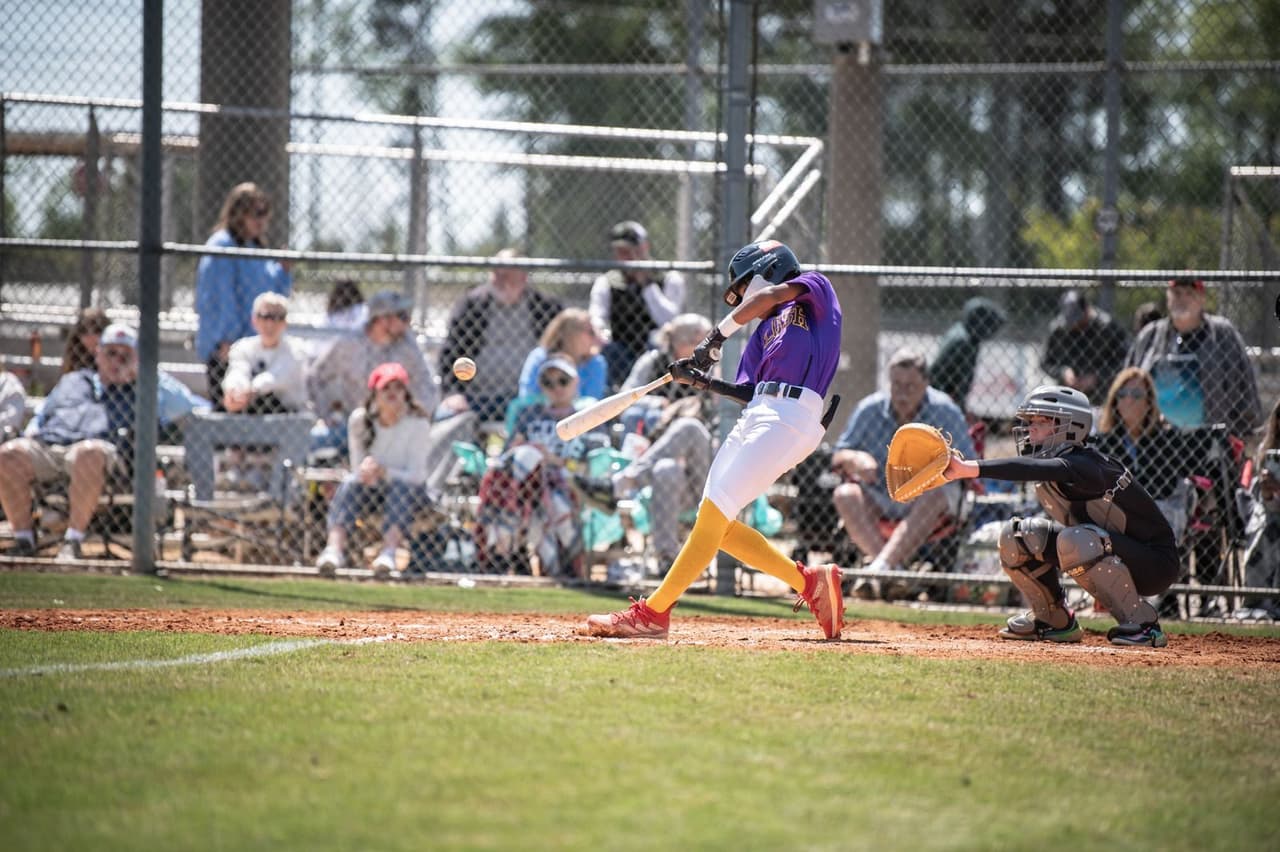
Most kids don't need ten new things to think about at the plate. They need reps, a couple of clear cues, and a coach who isn't talking through their whole swing. If you've ever watched a line of eight players wait to take three swings each off a tee, you already know the problem. Standing in line doesn't make anyone a better hitter.
So this is the toolbox. Ten drills you can actually run tomorrow, built around the three things that matter most at this age: making contact, keeping a good bat path, and having a plan when you step in the box. Every drill has a setup you can rig with the gear in your bag and a cue or two that makes it click. Steal all of them, or grab the three that fix what your team struggles with this week. Before you get going, make sure the hitter's bat size actually fits, because half of what looks like a swing flaw is just a kid fighting a bat that's too heavy.
Tee to Target
The tee is where every hitter should start, because it takes timing out of the equation and lets a kid groove the same path and contact point over and over. Set a target for the ball to hit: a net panel, a cone on a bucket, a spot on the fence. The hitter's only job is to drive the ball at that target, line after line. You'll see the swing clean up fast when there's somewhere to aim.
Setup: One tee, a bucket of balls, a target 15 to 20 feet out (net, screen, or a taped spot on the fence).
Cues: "Hit the middle of the ball." "Take your knuckles to the ball," to keep the barrel from rolling early.
Walk-Through Swings
This one builds rhythm and teaches a hitter to move toward the pitcher instead of drifting or spinning off. The hitter starts a step or two behind the tee, takes a slow walking step into the swing, and lets that forward momentum flow into a normal cut. It feels awkward the first few reps and then it produces a smoother load for a lot of kids who feel stuck and stiff.
Setup: A tee set at normal contact height, room for the hitter to take one or two steps into it.
Cues: "Slow feet, then explode." "Land soft, then swing," so the front foot is down before the hands fire.
Front Toss Ladder
Front toss from behind an L-screen is the closest thing to live pitching you can control, and the ladder format ramps the challenge up rep by rep. Start with easy tosses right down the middle, then work the ball to different spots: middle, inside, outside, low. The hitter climbs the ladder and has to adjust their contact point instead of hunting one perfect pitch.
Setup: An L-screen about 15 to 20 feet in front of the plate, a bucket of balls, a coach who can toss accurately.
Cues: "See it deep, hit it deep." "Let the outside pitch travel," so they don't reach and roll over.
Two-Strike Battle
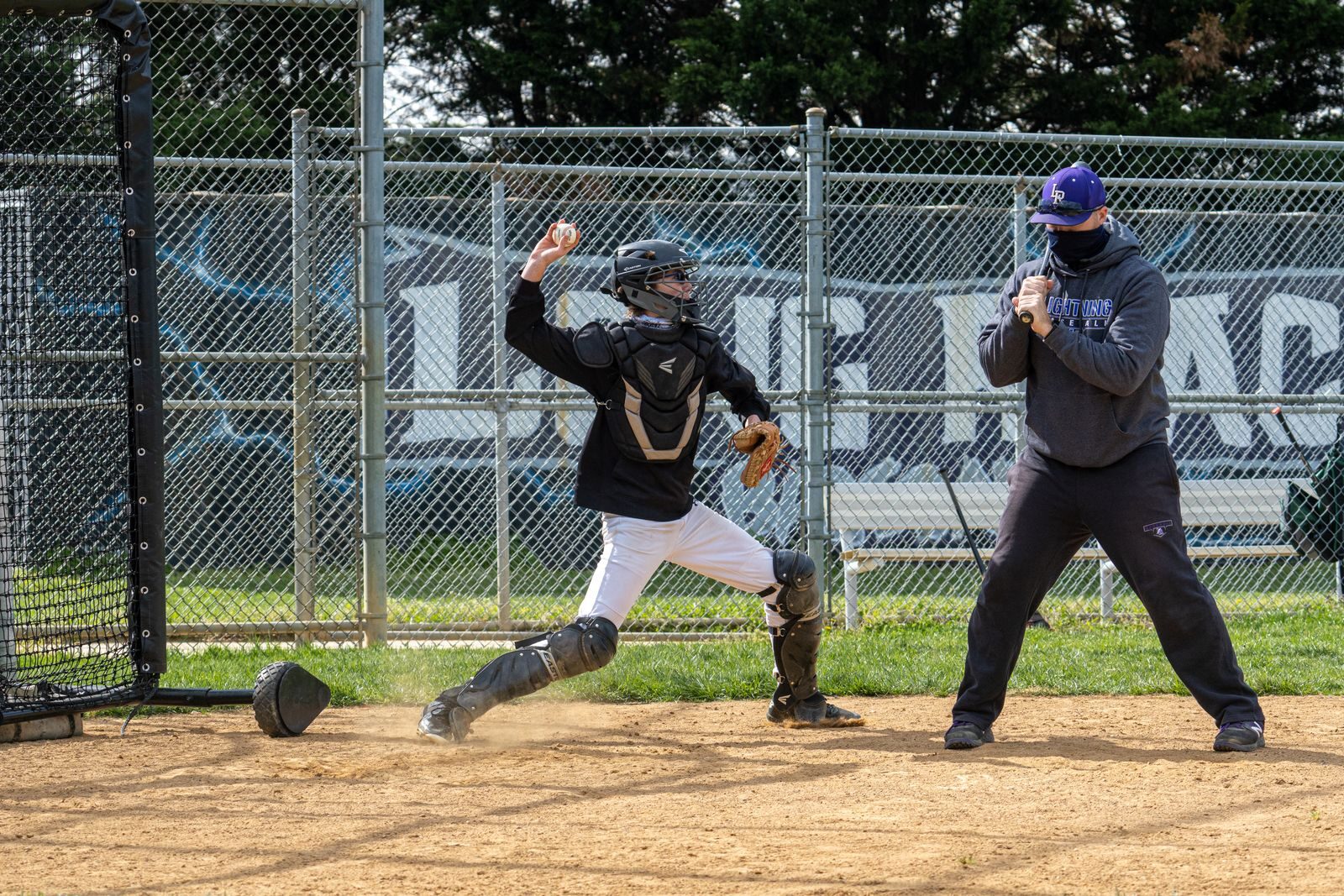
Hitting with two strikes is a skill you have to practice on purpose, or your kids will keep striking out looking at close pitches. In this drill, every rep starts at 0-2. The hitter chokes up a hair, widens the stance a touch, and the goal changes from crushing it to putting it in play and fighting off anything close. Reward the ugly foul ball that stays alive. That's the win here.
Setup: Front toss or a pitching machine, hitter starts every at-bat down 0-2.
Cues: "Battle, don't sit." "Foul off the tough ones," so they compete instead of freezing.
Opposite-Field Drive
Young hitters love to pull everything, which is exactly why so many of them roll over weak grounders to third and short. This drill forces them to let the ball travel and drive it to the opposite field. Put the tee back toward the catcher a few inches, or have your front toss target the outer third, and ask for line drives the other way. It teaches patience and a barrel that stays in the zone longer.
Setup: Tee moved slightly deeper in the stance, or front toss to the outer third, a target set toward the opposite-field gap.
Cues: "Hit it where it's pitched." "Stay inside the ball," so the hands lead and the barrel doesn't wrap around.
Timing and Load Pause
A lot of contact problems are really timing problems. The load-pause drill breaks the swing into two clear beats so a hitter can feel the difference between loading and firing. The coach tosses, the hitter loads and freezes for a beat with weight gathered and hands back, then swings on the cue. It builds a repeatable trigger and stops the early lunge that kills so many young swings.
Setup: Front toss or soft toss, coach controls the rhythm with a verbal cue.
Cues: "Load and wait." "Be on time, not early," so they stay back and let the ball come.
High Tee / Low Tee
Kids get one contact height dialed in and then whiff on everything else. Running a high tee and a low tee back to back teaches the barrel to adjust up and down in the zone. Do a round at belt height or above, then drop the tee to the knees, and make the hitter change nothing but the angle of the barrel. It's a fast fix for the kid who can only hit meatballs.
Setup: One tee you can raise and lower quickly, two rounds per hitter at different heights.
Cues: "Barrel matches the ball." "Stay tall on the high one," so they don't drop the back shoulder and pop it up.
One-Hand Isolation
One-hand drills expose exactly which hand is doing what, and they clean up a bat path in a hurry. Use a short bat or choke way up on a normal one, and have the hitter take easy swings off a tee with just the top hand, then just the bottom hand. It's low intensity on purpose. You're teaching the barrel to stay connected and take the direct route to the ball, not muscling it.
Setup: A short bat or choked grip, a tee, controlled easy swings only.
Cues: "Palm up on the top hand." "Pull the knob, don't push," on the bottom-hand reps.
Short Bat Control
The short bat forces a tight, connected swing because a long loopy path simply won't square the ball up with less barrel to work with. Run tee work or soft toss with a training bat or a cut-down bat and ask for hard line drives. Hitters who cast the barrel out and around suddenly have to keep everything compact. Then hand them their game bat and the feeling carries over.
Setup: A short training bat or a shorter bat than the hitter's gamer, tee or soft toss.
Cues: "Short and quick." "Hands to the ball," so the path stays direct and inside.
Approach Cue Cards
Hitting isn't only mechanics. It's having a plan before the pitch. Write simple approaches on index cards ("look middle-away," "first-pitch fastball, be ready," "two strikes, battle") and have the hitter draw a card before each front-toss round. They have to hit with that plan in mind. It teaches kids that good hitters think one thought, not five, and it turns batting practice into decision practice.
Setup: A stack of index cards with one approach each, front toss or machine.
Cues: "One thought, then compete." "Trust your plan," so they commit instead of guessing mid-swing.
Station Design
The fastest way to waste a practice is a single hitting line. Break your group into stations of 2 to 3 hitters each and put a drill at every station. One hitter goes, one shags or feeds, one is on deck getting ready, and everybody rotates every set number of swings. That rest-to-rep ratio keeps kids moving and keeps arms and focus fresh.
Aim for 15 to 25 quality swings per hitter per rotation, not three swings and a two-minute wait. If you've got parent helpers, give each one a station and a single cue to reinforce so the coaching stays consistent. Rotate the whole group through every station on a timer, five or six minutes each works well. When you plan it out ahead of time with a practice planner, you can build a hitting circuit that runs itself, and you can pull fresh setups from the drill library whenever your stations get stale.
Common Mistakes Coaches Make
The biggest one is over-coaching mid-rep. When you stop a kid every swing to fix something, they never build any rhythm and they start swinging scared. Give one cue, let them take the whole round, then talk between rounds. Fix one thing at a time.
The second is vague cues. "Keep your eye on the ball" and "swing level" don't tell a ten-year-old what to actually do. Trade them for something the hitter can feel: "knuckles to the ball," "load and wait," "hit the target." Concrete beats generic every time.
The third is low-rep line drills. A line of eight players taking turns off one tee gives each kid a handful of swings and a lot of standing around. Stations fix this. More stations, fewer kids per station, more swings for everyone. If you want a number to chase, track a hitter's exit velocity over a few weeks, because harder contact is the clearest sign the reps are paying off.
FAQ
What's the best hitting drill for a kid who keeps rolling over? Opposite-Field Drive and the outer-third front toss. Rolling over almost always means the barrel is wrapping around too early and the hands are casting. Teach them to let the ball travel and drive it the other way, and the roll-overs shrink fast.
How long should a hitting station last at practice? Five to six minutes per station is a good target, long enough for 15 to 25 quality swings, short enough that focus stays sharp. Rotate the whole group on a timer so nobody camps at one drill.
My team only has one coach. Can I still run stations? Yes. Set up self-running drills like tee work and short-bat control that don't need a feeder, and float between them. Recruit a parent or two for the front-toss stations and give each helper one simple cue to repeat.
About the Author
Youth and high school baseball coaches focused on player development, fair playing time, and helping coaches run better practices.
Related Resources
Related Terms
Tags
Measure Your Exit Velocity
Use our free exit velocity calculator to turn bat speed and pitch speed into expected exit velo, with benchmarks by age and level.
Open the Calculator