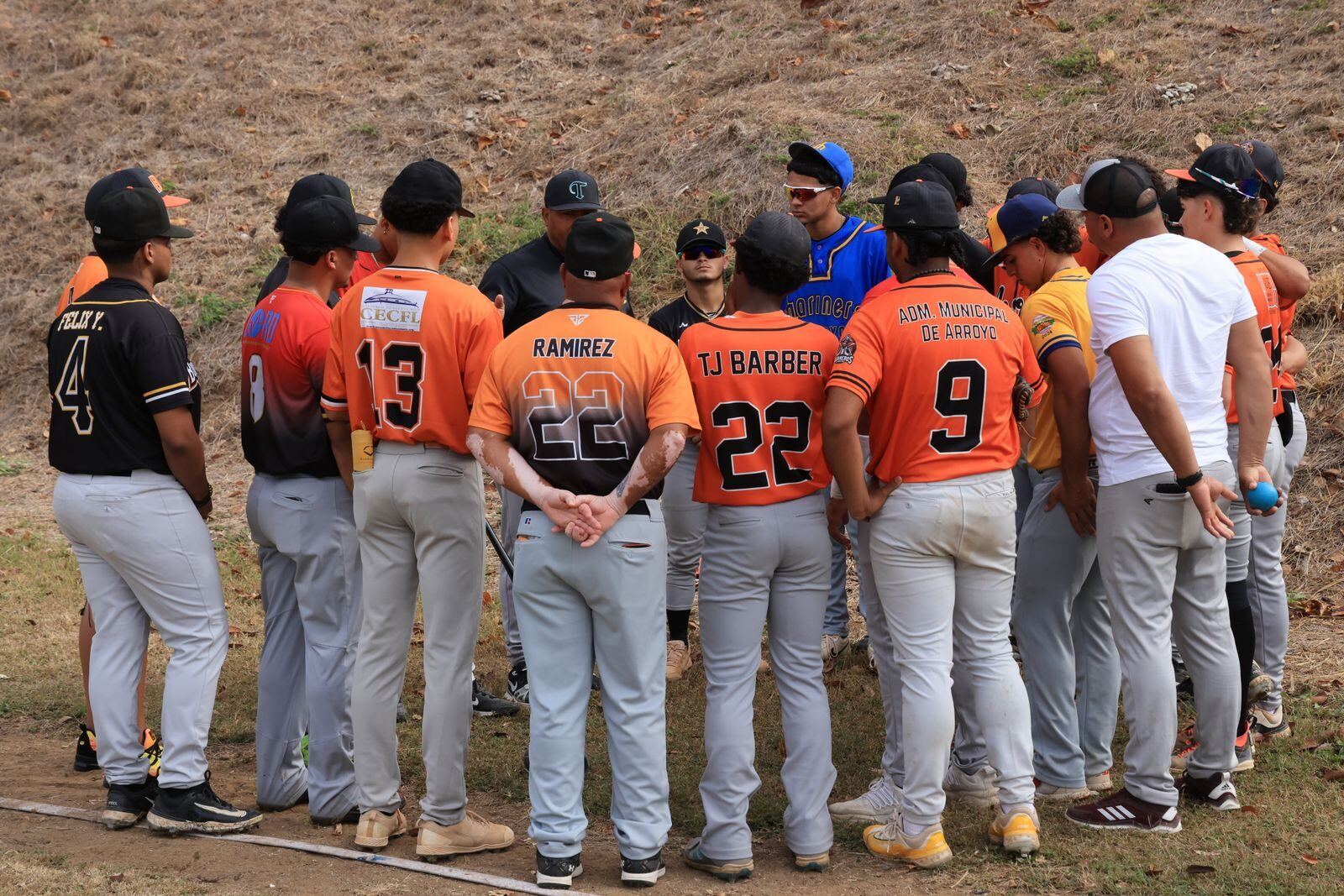
Developing Team Leaders
Great teams have leaders at multiple levels. While coaches provide direction, player leaders create culture from within. Developing these leaders builds stronger teams, teaches valuable life skills, and creates a sustainable positive environment. This guide helps coaches identify and develop leaders at any age.
What Makes a Team Leader
Leadership looks different at different ages.
Leadership Qualities to Look For
Character traits:
- Positive attitude
- Work ethic
- Resilience
- Empathy
- Integrity
Behavioral signs:
- First to practice, last to leave
- Encourages teammates naturally
- Stays positive during adversity
- Takes responsibility
- Others gravitate toward them
What leadership is NOT:
- Being the best player
- Being the loudest voice
- Bossing others around
- Just doing what coach says
- Natural athletic ability
Leadership at Different Ages
Ages 6-8:
- Leadership isn't formal
- Look for natural includers
- Kids who help others
- Positive energy spreaders
Ages 9-10:
- Beginning to recognize peers as leaders
- Natural leaders emerge
- Can handle small responsibilities
- Encourage helpful behaviors
Ages 11-12:
- More formal leadership possible
- Can lead warm-ups, drills
- Hold some accountability
- Model behavior expectations
Ages 13-14:
- Real leadership impact
- Can lead without coaches
- Hold teammates accountable
- Make independent decisions
Identifying Potential Leaders
Looking beyond the obvious candidates.
Observe Carefully
Watch for:
- How they treat struggling teammates
- What they do when no one's watching
- How they respond to failure
- Who they include/exclude
- Their body language during adversity
Listen for:
- Encouraging words to others
- Taking ownership ("I" vs. "they")
- Positive self-talk
- How they talk about teammates
Don't Just Pick the Best Players
Common mistake:
- Best player = captain
- Often not the best leader
- May not relate to strugglers
- May expect everyone to be like them
Better approach:
- Separate skill from leadership
- Look at whole picture
- Multiple types of leaders
- Leadership can be developed
Consider Hidden Leaders
Look for:
- Quiet kids who others trust
- Unsung workers
- Bridge-builders between groups
- Emotionally intelligent players
Developing Leadership Skills
Leadership can be taught.
Give Responsibility
Start small:
- Lead one warm-up exercise
- Organize equipment
- Be responsible for teammates in a drill
- Deliver a message to the team
Build up:
- Lead entire warm-up
- Run a drill station
- Mentor younger/newer players
- Address team on specific topics
Coach the Leaders Separately
Brief meetings:
- Before or after practice
- 5-10 minutes
- Private conversations
- Clear expectations
Discuss:
- What you're seeing
- What you need from them
- How they can help teammates
- Challenges they're facing
Teach Leadership Skills
Communication:
- How to encourage
- When to be vocal
- How to give feedback
- Active listening
Problem-solving:
- Recognizing issues
- When to handle vs. escalate
- Finding solutions
- Including everyone
Accountability:
- Holding standards
- Addressing issues directly
- Being consistent
- Leading by example
Provide Feedback
After leadership moments:
- Acknowledge what went well
- Suggest improvements
- Ask how it felt
- Set next challenge
Regular check-ins:
- Are they feeling effective?
- What's challenging?
- How can you support them?
- What do they need?
Creating Leadership Opportunities
Structured chances to lead.
Daily Opportunities
At practice:
- Lead stretching
- Run drill stations
- Organize groups
- Time management
- Equipment setup/breakdown
At games:
- Lead team through warm-up
- Huddle between innings
- Encourage teammates
- Support struggling players
Team Building Activities
Player-led:
- Choose practice game
- Organize team event
- Create team cheer
- Plan celebration
Why it matters:
- Builds ownership
- Develops planning skills
- Creates investment
- Shows trust
Mentorship Pairings
Older/younger:
- Varsity with JV
- 14U with 10U
- Experienced with new
- Teaching builds leadership
Within team:
- Partner for drills
- Accountability buddies
- Skill-specific mentors
- Social bridges
Building Team Culture
Leaders shape culture more than coaches.
Define What You Stand For
Involve leaders:
- What kind of team do we want to be?
- What behaviors define us?
- What won't we tolerate?
- What's our identity?
Document it:
- Team values
- Behavior expectations
- Accountability standards
- Display it prominently
Leaders Enforce Culture
Coach sets standards, leaders enforce:
- Peer accountability stronger than coach correction
- Leaders model expectations
- Leaders address small issues
- Coach handles bigger issues
Empower them:
- "You don't need my permission to lead"
- "If you see something, address it"
- "The team is yours, not just mine"
- "I trust your judgment"
Handling Culture Violations
Teach leaders:
- Address in private first
- Be specific, not personal
- Focus on behavior, not character
- Offer path forward
Support them:
- Back them up publicly
- Debrief privately
- Adjust approach if needed
- Celebrate effective interventions
Avoiding Common Pitfalls
What can go wrong with player leaders.
Avoiding Favorites
The danger:
- Leaders get special treatment
- Resentment builds
- Culture becomes toxic
- Trust erodes
The solution:
- Same standards for everyone
- Leaders held to higher standard, not lower
- Public accountability
- Transparent decision-making
Preventing Power Trips
Signs:
- Leader becomes bossy
- Uses position for status
- Criticizes without building up
- Creates cliques
Address immediately:
- Private conversation
- Specific examples
- Clear expectations
- Consequences if repeated
Not Overloading Leaders
The risk:
- Asking too much
- Burden becomes heavy
- Performance suffers
- Burnout occurs
Balance:
- Check in on how they're feeling
- Distribute responsibilities
- Give them permission to focus on playing
- Recognize their effort
Multiple Leaders, Not Just One
Why multiple:
- Different styles reach different players
- Share the burden
- No single point of failure
- Models distributed leadership
Types of leaders:
- Vocal leaders (energy, encouragement)
- Quiet leaders (example, steadiness)
- Technical leaders (knowledge, teaching)
- Social leaders (unity, inclusion)
Age-Specific Approaches
Leadership development at each stage.
Ages 6-8
Keep it informal:
- Rotate "helper" roles
- Praise helpful behaviors
- Model what leaders do
- Plant seeds
Simple responsibilities:
- Help carry equipment
- Include someone sitting alone
- Cheer for teammates
- Show new players around
Ages 9-10
More structure:
- "Leader of the day" rotation
- Small group responsibilities
- Recognize leadership behaviors
- Begin teaching leadership concepts
Responsibilities:
- Lead one stretch
- Be equipment manager
- Help struggling teammate
- Organize drill groups
Ages 11-12
Formal leadership:
- Can have captains (rotating or elected)
- Real responsibilities
- Accountability expected
- Regular leadership discussions
Responsibilities:
- Lead full warm-up
- Run drill stations
- Address team briefly
- Mentor newer players
Ages 13-14
Full leadership:
- Captains with real authority
- Autonomous decision-making
- Culture ownership
- Coach partnership
Responsibilities:
- Lead team meetings
- Address issues directly
- Drive practice energy
- Represent team to coaches
Measuring Leadership Success
How do you know it's working?
Observe Team Dynamics
Positive signs:
- Players encourage each other
- Accountability without coaches
- Inclusive behavior
- Resilience as a group
Warning signs:
- Cliques forming
- Leaders not respected
- Coach still doing all accountability
- Negative energy persists
Ask the Team
Simple questions:
- Who do you trust?
- Who makes you feel included?
- Who helps when you're struggling?
- Who models what we want to be?
Track Outcomes
Consider:
- Team chemistry
- Response to adversity
- Effort consistency
- Enjoyment levels
Long-Term Impact
Why this matters beyond baseball/softball.
Life Skills
Leadership development teaches:
- Communication
- Empathy
- Accountability
- Service to others
- Problem-solving
- Self-awareness
The Legacy
Great leaders:
- Carry lessons forward
- Become coaches themselves
- Lead in other contexts
- Remember what you taught them
Key Reminders
- Leadership is teachable - Don't assume it's natural only
- Look beyond best players - Skill doesn't equal leadership
- Give real responsibility - Trust them with meaningful tasks
- Coach the leaders - They need development too
- Multiple leaders - Build depth, not dependence
- Same standards - Leaders held accountable too
- Culture is the goal - Leaders build what lasts
- Be patient - Leadership develops over time