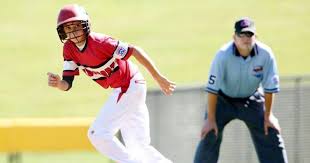
Baserunning from Third Base: Complete Guide
Third base is just 90 feet from home plate. You're one play away from scoring. But this is also the most dangerous base to make mistakes. This guide covers everything you need to know as a runner on third base.
The Situation Overview
- Your Position: Third base (90 feet from scoring)
- Next Goal: Score a run
- Key Focus: Tag up on fly balls, score on ground balls (with less than 2 outs)
- Danger Zone: The catcher and third baseman are RIGHT there
Taking Your Lead
Primary Lead from Third
Distance: In foul territory, 3-5 steps off the bag
Why Foul Territory?
- If a batted ball hits you in foul territory, you're NOT out
- If a batted ball hits you in fair territory, you ARE out
- Always lead in foul territory
Technique:
- Start with your left foot on the bag
- Take steps directly down the third base line (foul side)
- Keep your weight balanced
- Eyes on the pitcher, then the ball
Walking Lead vs. Stationary Lead
Stationary Lead:
- Stand still in your lead position
- Simpler, less chance of getting caught moving
Walking Lead:
- Walk toward home as the pitcher begins their motion
- More momentum toward home
- More advanced technique
Reading the Pitcher for Pickoff
Third Base Pickoff:
- Less common than first base
- Right-handed pitcher can spin and throw
- Left-handed pitcher has to turn all the way
Signs of a Pickoff Coming:
- Pitcher keeps looking at you
- Third baseman creeps toward the bag
- Catcher gives signs for a snap throw
Tagging Up on Fly Balls
The Basic Rule
With less than 2 outs, you can tag up and score after a fly ball is caught.
How to Tag Up
- Return to third base
- Wait on the bag
- Watch the outfielder catch the ball
- Leave the INSTANT the ball touches the glove
- Sprint home
- Slide if necessary
Should You Tag?
| Fly Ball Location | Tag Decision |
|---|---|
| Deep left field | YES - long throw |
| Deep center field | MAYBE - depends on arm |
| Deep right field | RARELY - very close throw |
| Medium depth (any) | Usually NO |
| Foul territory fly | YES (if caught) |
| Infield fly | NO - too close |
Reading the Outfielder
Things to Watch:
- How deep are they?
- Are they moving in or back?
- How strong is their arm?
- Are they set to throw?
Your Coach Helps: Third base coach will tell you to "Tag!" or "Stay!"
The Throw
Where the Throw Goes:
- Outfielder throws to catcher (or cutoff man)
- You're racing the ball home
- Slide to avoid the tag
Beating the Throw:
- Good tag (leave right when ball is caught)
- Sprint hard
- Good slide (away from catcher)
Scoring on Ground Balls
Less Than 2 Outs: Infield In
When Infield is In:
- Defense is trying to throw you out at home
- They're playing shallow
- Ground balls go THROUGH the infield more often
Your Move:
- Be aggressive
- Score on anything hit on the ground (unless hit right at someone)
- The ball only has to get past the infielder
Less Than 2 Outs: Infield Back (Normal Depth)
When Infield is Back:
- Defense is conceding the run
- They want to get the out at first
- You should score easily on any ground ball
Your Move:
- Go on contact
- You should score
- Only exception: comebacker right to the pitcher
2 Outs: Always Go
With 2 Outs:
- You're going on contact no matter what
- If they get the out at first, inning is over anyway
- No reason to hold
Ground Ball Reads
Ground Ball to Third Baseman
The Hardest Read
Hard-Hit Ball:
- Third baseman will throw to first
- You stay. Too risky to go.
Slow Roller:
- Third baseman has to throw to first
- Might be able to score if throw goes to first
- Read and react
Chopper:
- Third baseman may look you back, then throw to first
- If they throw to first, GO
Ground Ball to Shortstop
Usually Safe to Go
- Shortstop has to field, set, and throw home
- Long throw
- Be aggressive
The Exception: Ball hit RIGHT at the shortstop when they're shallow
Ground Ball to Second Baseman or First Baseman
GO. Score.
- Ball is behind you
- Long way to throw home
- You should be safe easily
Ground Ball to Pitcher
Read the Play
- If pitcher throws home, you're in trouble
- If pitcher throws to first, GO
The Key: Don't commit too early. Read where the throw is going.
Special Plays
The Squeeze Play
What It Is: Batter bunts, you score
Suicide Squeeze:
- You go as soon as pitcher's arm comes forward
- Batter MUST make contact
- You're committed
Your Job (Suicide):
- Normal lead
- When pitcher's arm moves forward, GO
- Sprint home
- Score
Safety Squeeze:
- You go AFTER the bunt is down
- Less risky
- Wait to see the bunt, then run
Wild Pitch or Passed Ball
With Third Base:
- Ball doesn't have to go far for you to score
- Be ready on every pitch
- Watch the ball
Your Secondary Lead:
- Walk toward home as the pitch is thrown
- If ball gets away, GO immediately
- Sprint home, slide
Infield in Bunt Defense
When They Expect a Bunt:
- Corner infielders charge
- You might be able to score if bunt is good
- Watch the bunt and react
Foul Balls and Line Drives
Foul Pop-Up Near Third
Your Move:
- Tag up just like a fair fly ball
- You can advance after a foul ball is caught
- Same rules apply
Line Drive
FREEZE!
- Line drives are often caught
- If you're off the bag and it's caught, doubled off
- Stay close to the bag
- React after you see what happens
Pop-Up to Infield
Stay at Third
- Too close to try to score
- Wait for a better opportunity
Communication with Third Base Coach
Your Third Base Coach is Critical
They Will Tell You:
- "Tag!" - Get on the bag, tag up on the catch
- "No! Stay!" - Don't try to score
- "Go! Go! Go!" - Score now
- "Halfway!" - Go halfway, read the play
- "Back!" - Get back to the bag
When to Look at Them
Ball in Front of You:
- You can see it
- Make your own read
Ball Behind You:
- You can't see it
- Look at the third base coach for signals
Verbal Commands
Listen For:
- "Down!" - Slide
- "Stand up!" - You're safe, don't slide
- "Stay!" - Hold at third
Common Mistakes to Avoid
Going on Ground Ball to Third Baseman
The Problem: You break for home on a ball hit to third
Why It's Bad: Easy out at home
The Fix: Hold unless the ball gets past the third baseman
Not Tagging on Catchable Fly Ball
The Problem: You assume it won't be caught and start running
Why It's Bad: Doubled off at third, can't score
The Fix: Get to the bag, tag up, THEN go
Leaving Too Early on Tag
The Problem: You leave before the ball is caught
Why It's Bad: Appeal play, you're out
The Fix: Watch the glove, leave when the ball hits it
Getting Picked Off
The Problem: Too big a lead, third baseman sneaks behind
Why It's Bad: Out, rally killed
The Fix: Keep third baseman in your vision, stay in foul territory
Running Into an Out
The Problem: Scoring when you shouldn't
Why It's Bad: You were already in scoring position, now you're out
The Fix: Be aggressive but smart. An out at home is worse than staying at third.
Situational Quick Reference
| Situation | What to Do |
|---|---|
| Deep fly ball, less than 2 outs | TAG UP, score after catch |
| Ground ball to SS/2B/1B | GO on contact |
| Ground ball to 3B | HOLD (unless it gets by) |
| Ground ball to P | READ the throw |
| Wild pitch/passed ball | GO immediately |
| Line drive | FREEZE, then react |
| Squeeze bunt | GO on pitcher's arm motion |
| 2 outs, any ground ball | GO on contact |
Key Reminders
- You're 90 feet away - One good play and you score
- Lead in foul territory - Don't get hit by a batted ball
- Tag up on fly balls - Wait for the catch, then go
- Go on ground balls to the right side - Score easily
- Freeze on line drives - Don't get doubled off
- Trust your third base coach - Listen and look
- Don't get picked off - Watch the third baseman
- An out at home is BAD - Be aggressive but smart
You're one play from scoring. Make sure you get home.