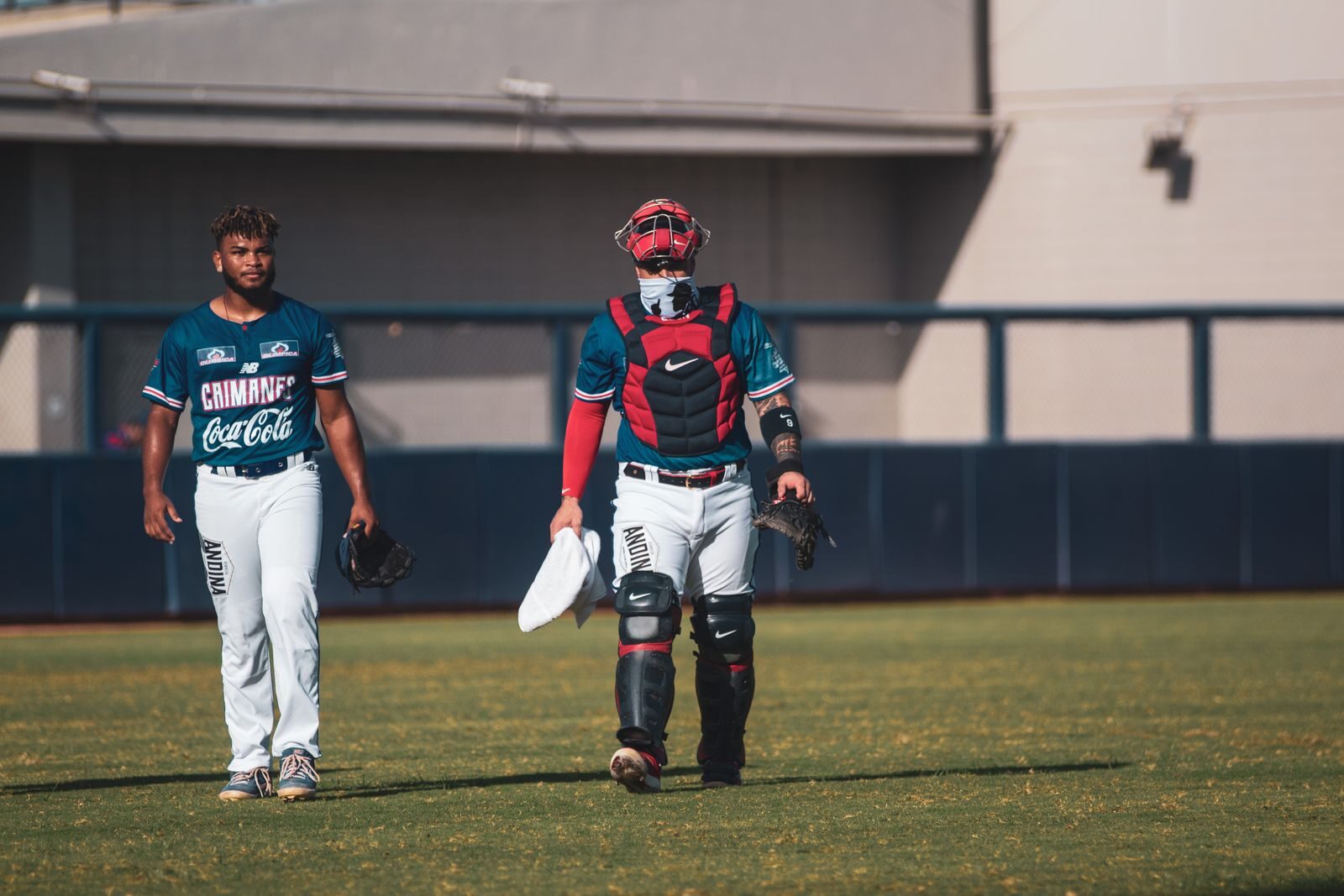
Team Communication: Building Chemistry on the Field
Great teams communicate constantly. They call plays, encourage teammates, and stay connected pitch to pitch. This guide teaches you how to build a team that talks.
Why Communication Matters
Prevents Mistakes
Without Communication:
- Two players go for the same ball
- Nobody covers a base
- Runners advance unchallenged
With Communication:
- "I got it!" avoids collisions
- "You cover!" clarifies assignments
- "Runner going!" alerts defenders
Builds Confidence
Players Feel:
- Supported by teammates
- Part of a unit
- More confident in their role
Creates Energy
A Talking Team:
- Stays engaged
- Keeps focus
- Intimidates opponents
- Has more fun
Defensive Communication
Before Each Pitch
What to Communicate:
- Number of outs
- Where the play is
- Who covers what
Example Calls:
- "Two outs, play's at first!"
- "Nobody on, two down!"
- "Force at any base!"
Pop-Up/Fly Ball Calls
The Essential Call:
- "I got it! I got it! I got it!"
- Call it early, call it loud
- Keep calling until you catch it
Priority System:
- Center fielder has priority in outfield
- Shortstop has priority in infield
- Outfielders over infielders
- Make it clear who should take it
Ground Ball Calls
Directing the Play:
- "First! First!" - throw to first
- "Second! Second!" - throw to second
- "Home! Home!" - throw home
- "Hold it!" - don't throw
Steal Attempts
Alert the Team:
- "He's going!" - runner is stealing
- "Back!" - pick-off play coming
- "You got second!" - telling who covers
Base Coverage
Before the Pitch:
- Shortstop and second baseman: Agree who covers second on steal
- Open glove = you cover
- Closed glove = I cover
Dugout Communication
Encouragement
What to Say:
- "Good swing!"
- "Battle up there!"
- "Nice pitch!"
- "Let's go, you got this!"
What NOT to Say:
- Criticism of teammates
- Negative comments about umpires
- Anything that hurts confidence
Game Awareness
Keep Teammates Informed:
- "Two outs, run on anything!"
- "Runner on second, be ready!"
- "Their guy has a good arm, hold up!"
Energy
Stay Engaged:
- Cheers after good plays
- Encouragement after mistakes
- Constant positive noise
Coach-to-Player Communication
Clear Instructions
Be Specific:
- "Move two steps to your left"
- "Take the first pitch"
- "Throw to second on a ground ball"
Avoid Vague Commands:
- "Play better" (what does that mean?)
- "Do better" (how?)
- "Get him out" (of course, but how?)
Timing
When to Communicate:
- Between innings (strategy)
- During timeouts (focus reset)
- Before at-bats (reminders)
When NOT to Communicate:
- Mid-pitch (distracting)
- During play (confusing)
Body Language
Your Demeanor Matters:
- Stay calm (even when frustrated)
- Positive energy
- Confident posture
Building Communication Culture
Practice It
In Every Practice:
- Require calls on fly balls
- Practice defensive chatter
- Make communication a drill
Reward Good Communication:
- Praise players who communicate
- Point out examples
- Make it part of expectations
Team Rules
Establish Standards:
- Call every fly ball
- Announce outs before each batter
- Support teammates vocally
- No negative comments
Model It
Coaches Set the Tone:
- Communicate clearly yourself
- Encourage communication
- Praise good communication
Position-Specific Communication
Catcher
The Quarterback:
- Call pitches
- Direct the defense
- Remind infielders of outs
- Encourage the pitcher
Pitcher
Talk to Your Defense:
- Thank them for good plays
- Stay positive
- Take responsibility for mistakes
Shortstop
The Captain of the Infield:
- Position infielders
- Call coverage on steals
- Direct traffic on plays
Center Fielder
The Captain of the Outfield:
- Call off other outfielders
- Position corner outfielders
- Communicate with infield
Communication Mistakes
The Silent Treatment
The Problem: Nobody talks
Why It's Bad: Errors, collisions, confusion
The Fix: Require communication, make it a habit
Talking Over Each Other
The Problem: Everyone yells at once
Why It's Bad: Nobody can hear anything
The Fix: Establish priority system, one voice at a time
Negative Communication
The Problem: Criticism, complaints, negativity
Why It's Bad: Destroys confidence, hurts team chemistry
The Fix: Only positive communication during games
Waiting Too Long
The Problem: Call the fly ball after it's almost down
Why It's Bad: Collisions, missed balls
The Fix: Call early, call loud, keep calling
Between-Innings Communication
Coming Off the Field
Quick Check-In:
- What do we need to fix?
- Who's up to bat?
- What's the situation?
Going to the Field
Quick Reminders:
- Outs we need
- Special situations
- "Let's go, get three!"
Youth Baseball Challenges
Quiet Kids
Some Kids Are Shy:
- It's OK, encourage gently
- Give them specific things to say
- Build confidence over time
Over-Coaching
Don't Talk Too Much:
- Kids can't process a lot
- Keep instructions simple
- One thing at a time
Making It Fun
Communication Can Be Fun:
- Team cheers
- Celebration rituals
- High-fives and encouragement
Key Reminders
- Call every fly ball - Always, no exceptions
- State outs before each batter - Keep everyone aware
- Positive only - No criticism during games
- Be loud - Make sure people hear you
- Make it a habit - Practice communication
- Lead by example - Coaches talk too
- Have fun with it - Cheers and energy
Teams that communicate play better baseball. Talk more, play better.