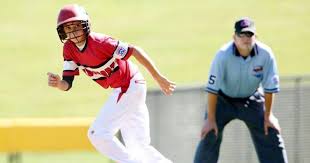
Runner on Third: Complete Defensive Guide
With a runner on third base, the defense is 90 feet from giving up a run. Every play matters. This guide covers every position's responsibilities to keep that run from scoring.
The Situation
- Runner: Third base only
- Primary Goal: Don't let the run score
- Secondary Goal: Get the out
- Key Focus: Fly balls = sac fly, ground balls = check runner, squeeze possibilities
Understanding the Threat
How the Run Scores
- Base hit - Runner scores easily
- Sacrifice fly - Deep enough fly, runner tags
- Ground ball - Runner may break on contact
- Wild pitch/passed ball - Runner scores
- Squeeze bunt - Suicide squeeze = run scores if bunt is down
- Error - Any mistake can score the run
Positioning Adjustments
Infield Depth Options
Infield In (On the Grass):
- Every ground ball, throw home
- Must prevent the run at all costs
- Used when the run is critical
Infield Halfway:
- Corners in, middle back
- Balance between cutting off run and making plays
- Can throw home on slow rollers
Infield Back (Normal):
- Get the out at first
- Accept that the run scores on a ground ball
- Used when run matters less (big lead)
Outfield Depth
- Shallow enough to throw the runner out at home on sac fly
- Know your arm strength
- Don't let balls drop in front of you
Corners (First and Third Baseman)
- May need to guard the lines late in close games
- Watch for the squeeze bunt
Ground Ball Responsibilities
Infield In: Every Ground Ball
| Position | Responsibility |
|---|---|
| Infielder | Field it, throw HOME |
| Catcher | Receive throw, tag the runner |
| Pitcher | Back up home |
This is the priority when playing in. Get the out at home.
Infield Back/Halfway: Decision Making
| Ball Speed | Runner Action | Your Play |
|---|---|---|
| Slow roller | Runner going | Throw home (if play) or first |
| Hard ground ball | Runner holding | Throw to first |
| Any ground ball | Runner going | Check runner, make decision |
Ground Ball to Pitcher
| Position | Responsibility |
|---|---|
| Pitcher | Field it, look at runner on third |
| If runner goes: | Throw home |
| If runner stays: | Throw to first |
| Catcher | Direct: "Home!" or "One!" |
Ground Ball to First Baseman
| Position | Responsibility |
|---|---|
| First Baseman | Field it, check runner |
| If close to bag: | Tag the bag, check runner |
| If far from bag: | Check runner, throw home or to pitcher covering |
Ground Ball to Second Baseman
| Position | Responsibility |
|---|---|
| Second Baseman | Field it, check runner |
| If runner goes: | Throw home |
| If runner holds: | Throw to first |
| Catcher | Call it: "Home!" or "One!" |
Ground Ball to Shortstop
| Position | Responsibility |
|---|---|
| Shortstop | Field it, check runner |
| Longer throw home, usually: | Throw to first |
| If infield in: | Throw home |
Ground Ball to Third Baseman
| Position | Responsibility |
|---|---|
| Third Baseman | Field it, runner is RIGHT THERE |
| If runner goes: | Easy throw home |
| If runner frozen: | Throw to first |
Third baseman often freezes the runner just by fielding the ball.
Fly Ball Responsibilities
Fly Ball Deep Enough for Sac Fly
All outfield positions:
- Make the catch
- Crow hop toward home
- Throw to home (or cutoff if necessary)
- Strong, accurate throw
| Position | Cutoff for Throw Home |
|---|---|
| Left Field | Third baseman |
| Center Field | Shortstop or pitcher |
| Right Field | First baseman |
Catcher: Receive throw, apply tag. Direct the cutoff.
Pitcher: Back up home.
Shallow Fly Ball (No Tag)
Outfielder:
- Catch the ball
- Look the runner back to third
- Don't throw if there's no play
- Keep the ball in front of you
Runner will hold on shallow flies. Don't throw the ball away.
Line Drive
If caught: Runner may be off the base, look for double play back to third.
If it drops: Get the ball in quickly.
Base Hit Responsibilities
Single to Any Outfield Position
Reality: The run is probably scoring.
| Position | Responsibility |
|---|---|
| Outfielder | Field it, throw to cutoff (or home if close) |
| Cutoff | Relay or hold |
| Catcher | Receive throw if coming |
| Pitcher | Back up home |
| Other infielders | Cover bases, hold batter to single |
Goal: Even if run scores, don't let batter take extra bases.
Squeeze Bunt Defense
Recognizing the Squeeze
- Watch for the squeeze sign
- Runner on third edging down the line
- Batter may square early (suicide squeeze) or late (safety squeeze)
Defending the Suicide Squeeze
| Position | Responsibility |
|---|---|
| Catcher | If you see squeeze coming, call for pitch out |
| Pitcher | High, inside fastball (hard to bunt) |
| Corners | Crash toward home |
| Catcher | If bunted, throw home |
If the bunt is down, the run usually scores. Prevention is key.
Defending the Safety Squeeze
- Batter bunts, runner only goes if bunt is good
- Field the bunt, throw home if you have a play
- If no play at home, get the out at first
Wild Pitch / Passed Ball
Pitcher Responsibilities
- Cover home immediately
- Receive throw from catcher (if catcher is chasing ball)
- Apply tag
Catcher Responsibilities
- Block everything
- If ball gets away, chase it
- Throw to pitcher covering home
Runner Will Go
- The moment a ball gets away, runner is going
- Must be quick to recover
- Pitcher MUST cover home
Two-Out Adjustments
With two outs:
- Runner goes on any contact
- Fly ball: Get the out (run doesn't score on a catch)
- Ground ball: Get the out at first (ends the inning)
- Don't need to play in (no sac fly threat)
Infield In vs. Back Decision
Play Infield In When:
- Tie game or down by 1
- Late innings (7th or later)
- The run absolutely cannot score
- You have good infielders who won't give up errors
Play Infield Back When:
- Ahead by 3+ runs
- Early in the game
- Willing to give up the run for the out
- Weak hitter at the plate
Play Halfway When:
- Unsure of the best option
- Corners in, middle back
- Gives you options on slow rollers
Communication
Catcher's Role
- Direct traffic: "Home!" or "One!"
- Watch for the squeeze
- Set up for throws
- Block the plate legally
Infielders
- Know the plan: In, back, or halfway
- Communicate with each other
- Call for pop-ups
Common Mistakes
Rushing the Throw
Problem: Throw is wild, runner scores anyway Solution: Take your time, be accurate
Throwing Home When No Play
Problem: Ball goes to backstop, other runners advance Solution: Know when to take the sure out at first
Not Checking the Runner
Problem: Runner sneaks home Solution: Always look at the runner before throwing elsewhere
Infield In on Every Runner at Third
Problem: Giving up easy hits Solution: Only play in when the run is crucial
Outfielders Ignoring the Sac Fly
Problem: Lazy throw lets runner tag easily Solution: Strong throw home on every deep fly
Key Reminders
- Know if the run matters (play in or back accordingly)
- Check the runner on every ground ball
- Sac fly = throw home (make them earn it)
- Catcher directs ("Home!" or "One!")
- Back up home (pitcher's job every time)
- Watch for the squeeze (be ready)
Runner on third = one mistake scores a run. Be sharp.