How to Run a Youth Baseball Tournament: Complete Planning Guide
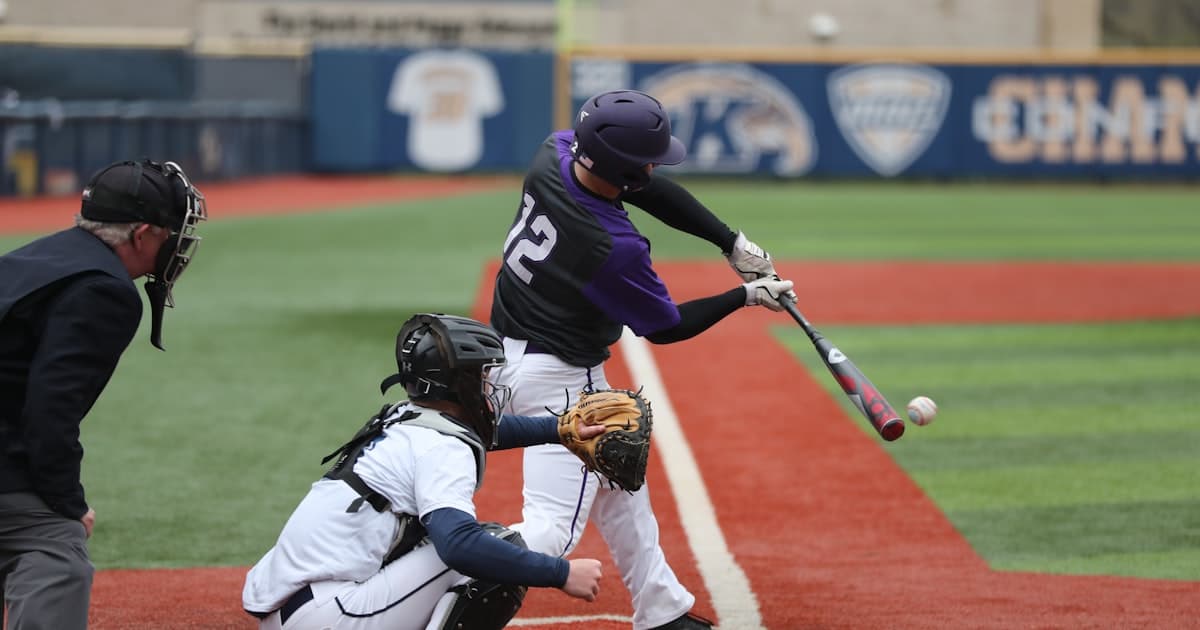
Running a youth baseball tournament is one of the most rewarding things you can do for your local baseball community. It is also one of the most logistically demanding. Between field reservations, umpire scheduling, bracket creation, and weather contingencies, there are dozens of moving parts that need to come together for a successful event.
Whether you are organizing a small four-team invitational or a large 16-team weekend showcase, this guide walks you through the entire process. We will cover planning timelines, format selection, seeding methods, scheduling strategies, tiebreaker rules, and day-of operations so you can run a tournament that teams actually want to come back to next year.

Planning Timeline: 3 Months, 1 Month, and 1 Week Out
The biggest mistake first-time tournament directors make is underestimating how early the planning needs to start. Here is a practical timeline that keeps everything on track.
3 Months Before the Tournament
Secure your fields. This is the single most important early action. Contact your local parks department, school district, or facility manager to reserve fields for the tournament dates. If you need multiple fields running simultaneously, confirm availability for all of them. Get the reservations in writing.
Set the budget. Determine your entry fee per team by working backward from your costs. Common expenses include field rental, umpire fees, insurance, trophies or awards, baseballs, and any concession or facility costs. Most youth tournaments charge between $300 and $750 per team depending on the number of guaranteed games and the age group.
Choose your format. Decide on the tournament structure based on how many teams you expect and how many days you have. We cover format selection in detail in the next section.
Open registration. Create a registration form that collects team name, age group, coach contact information, and roster size. If your tournament draws teams from a league you also manage, our guide on how to create a youth baseball league schedule can help you coordinate league play around tournament dates. For regular-season scheduling before the tournament, use the baseball and softball league schedule maker. Set a registration deadline at least six weeks before the event so you have time to finalize the bracket.
Arrange insurance. Most facilities require a certificate of insurance for tournament events. Check with your league's existing policy or purchase event-specific coverage through organizations like USA Baseball or your state's athletic association.
1 Month Before the Tournament
Finalize the team list. Close registration and confirm your team count. This is when you lock in the tournament format and begin building the schedule.
Book umpires. Contact your local umpire association early. For a weekend tournament with multiple fields, you may need 8 to 12 umpires available across both days. Confirm pay rates (typically $50 to $80 per game for youth levels) and provide a schedule with game times.
Build the bracket and schedule. Assign teams to pools (if using pool play) or bracket positions. Map out game times, field assignments, and the minimum gap between games for the same team. We recommend at least 30 minutes between the end of one game and the start of the next for any given team, though 45 minutes is better.
Order supplies. Purchase or collect tournament baseballs, scorebooks or score sheets, lineup cards, and any trophies or awards. Plan for roughly 3 new baseballs per game. For a full checklist of what to bring, see our essential coaching equipment guide.
Communicate with coaches. Send a tournament packet to every registered team that includes the schedule, field map with directions, parking information, facility rules, pitch count or inning limit rules, and your contact information for tournament day. Encourage coaches to review situational plays with their teams before the event. Our guide on how to teach baseball plays to youth players covers the essentials.
1 Week Before the Tournament
Walk the fields. Physically inspect every field you will be using. Check that bases are secure, fences are intact, dugouts are clean, and the playing surface is in good condition. Make sure you have a well-stocked first aid kit at every field. Arrange for field prep (chalking, dragging, mowing) the day before the tournament.
Confirm all personnel. Reach out to every umpire, volunteer scorekeeper, and gate worker to confirm they know their schedule and arrival time.
Prepare a rain plan. Check the forecast and have a clear contingency plan ready. More on this in the weather section below.
Print materials. Print extra copies of the bracket, schedule, field map, and any rule sheets. Bring a large whiteboard or poster board to display the bracket at the tournament site where all teams can see it.
Charge devices. If you are using digital scorekeeping or communication tools, make sure all tablets and phones are fully charged and that you have portable chargers available.
Choosing the Right Format Based on Team Count
The format you choose determines how many games each team plays, how many fields you need, and how long the tournament runs. Here is a reference table for common team counts.
| Team Count | Recommended Format | Pool Play Games | Bracket Games | Total Games | Days Needed | Fields Needed |
|---|---|---|---|---|---|---|
| 4 | Round robin + championship | 3 per team | 1 | 7 | 1 | 2 |
| 6 | 2 pools of 3 + single elimination | 2 per team | 3 | 9 | 1-2 | 2 |
| 8 | 2 pools of 4 + single elimination | 3 per team | 4 | 16 | 2 | 2-3 |
| 10 | 2 pools of 5 + single elimination | 4 per team | 4 | 24 | 2 | 3-4 |
| 12 | 4 pools of 3 + single elimination | 2 per team | 8 | 20 | 2 | 3-4 |
| 16 | 4 pools of 4 + single elimination | 3 per team | 8 | 32 | 2-3 | 4+ |
Pool play into bracket play is the most common format for youth tournaments because it guarantees every team at least 2 to 3 games regardless of outcome. Nobody travels two hours to play one game and go home.
For a deeper comparison of bracket types, see our guide on single elimination vs. double elimination tournaments.
Key format considerations:
- Game length. Youth tournament games typically run 5 to 6 innings or have a time limit (usually 1 hour 15 minutes to 1 hour 45 minutes). Time limits are strongly recommended for keeping the schedule on track.
- Mercy rule. A 10-run mercy rule after 4 innings (or 15 runs after 3) helps prevent blowouts from consuming your entire schedule.
- Guaranteed games. Advertise a minimum number of games in your registration materials. Three guaranteed games is the standard expectation for a weekend tournament.
How to Seed Teams Fairly
Seeding determines bracket placement and can make or break the competitive balance of your tournament. There are three common approaches.
Record-Based Seeding
If your tournament draws from a single league where teams have played each other during the regular season, you can seed based on win-loss record. This is the most objective method but only works when teams share a common schedule.
Blind Draw
For open tournaments where teams come from different leagues and regions, a blind draw is the simplest fair option. Randomly assign teams to pools and bracket positions. While this occasionally creates lopsided matchups, it removes any perception of favoritism.
Previous Results or Rating Systems
Larger travel ball tournaments sometimes use national or regional rating systems to seed teams. If your tournament has been running for multiple years, you can also use previous tournament results to seed returning teams.
Seeding tips regardless of method:
- If two teams from the same organization register, place them in different pools so they do not play each other during pool play.
- When seeding bracket play after pool play, the first seed from Pool A should play the second seed from Pool B (and vice versa) to avoid immediate rematches.
- Publish your seeding criteria before the tournament so coaches understand the process.
Building the Game Schedule and Managing Field Assignments
The schedule is the backbone of your tournament. A well-built schedule keeps games on time, gives teams adequate rest, and makes efficient use of your fields.
Step 1: Set Your Time Slots
Start by determining how many time slots you have per field per day. For a typical tournament day running from 8:00 AM to 6:00 PM with 2-hour game windows (including warmup and transition time), you get 5 game slots per field.
- 2 fields for 1 day = 10 game slots
- 3 fields for 2 days = 30 game slots
- 4 fields for 2 days = 40 game slots
Step 2: Map Teams to Time Slots
Assign games to time slots following these rules:
- No team plays back-to-back games. Every team needs at least one time slot off between games.
- Balance early and late games. Avoid scheduling any team for the first game on both days or the last game on both days.
- Keep pool play on Day 1. If you are running a two-day tournament, schedule all pool play games on Day 1 so you can calculate seeding overnight and run bracket play on Day 2.
- Reserve the best field for elimination games. If one of your fields has better conditions, lights, or seating, save it for the semifinal and championship games.
Step 3: Build In Buffer Time
Things will run late. It is not a question of if but when. Build 15 to 30 minutes of buffer into your schedule, especially in the afternoon time slots. An early rain delay, a long inning, or an injury timeout can cascade through your entire schedule if there is no slack.
Step 4: Assign Fields
If you have fields of varying quality, assign them strategically. Championship bracket games go on the best field. Pool play games can rotate across all fields so every team gets to play on the primary field at least once.
Create a master grid that shows every field, every time slot, and which teams are playing where. Post this grid at a central location on tournament day. Track game scores with our free virtual scoreboard.

Pool Play Tiebreaker Rules Explained
Tiebreakers are the most commonly debated element of any tournament. Establish your tiebreaker criteria before the tournament begins, communicate them clearly to all coaches, and apply them consistently.
Here is the standard tiebreaker order used by most youth baseball tournaments. Apply each rule in sequence until the tie is broken.
1. Head-to-Head Record
If two teams are tied and played each other during pool play, the winner of that game advances. This is the simplest and most universally accepted tiebreaker.
If three or more teams are tied and one team beat both of the others, that team advances. If the head-to-head results among three teams create a circle (A beat B, B beat C, C beat A), move to the next tiebreaker.
2. Run Differential (Capped)
Calculate runs scored minus runs allowed for each tied team across all pool play games. Cap the run differential at a maximum per game (typically +8 or +10) to prevent teams from running up the score against weaker opponents.
For example, if Team A wins 15 to 2 but the cap is +8, their run differential for that game is recorded as +8, not +13.
3. Fewest Runs Allowed
If teams are still tied after capped run differential, the team that allowed the fewest total runs in pool play advances. This rewards strong pitching and defense.
4. Most Runs Scored
If teams remain tied, the team that scored the most total runs advances.
5. Coin Flip
As a last resort, use a coin flip witnessed by a representative from each tied team. Nobody loves this outcome, but it is rare when you have the previous four steps in place.
Important: Print your tiebreaker rules on the schedule handout and review them at the coaches meeting. Tiebreaker disputes are the number one source of conflict at youth tournaments, and the best way to prevent them is to make sure everyone knows the rules in advance.
Day-of Logistics
The tournament director's job on game day is to keep the entire event running smoothly. Here is how to manage the key operational elements.
Team Check-In
Set up a check-in table near the main entrance and have every team check in when they arrive. Verify roster eligibility, collect any remaining fees, and distribute game balls, schedule updates, and field maps. Assign a volunteer to this station for the first two hours of the morning.
Umpire Management
Assign one person to be the umpire coordinator. This person greets umpires as they arrive, assigns them to games, handles substitutions if an umpire is late, and processes payments at the end of the day. Have at least one backup umpire on standby for a tournament with three or more fields.
Provide umpires with a printed schedule, field map, and your cell phone number. Brief them on any tournament-specific rules (time limits, mercy rules, pitch counts) before the first game.
Scorekeeping and Results
Accurate scorekeeping is critical, especially when tiebreakers depend on run differential. You have two options.
Official scorekeepers. Assign a volunteer scorekeeper to each field. This is the most reliable approach but requires more volunteers.
Coach-reported scores. Have the winning team's coach report the final score to the tournament table immediately after the game. This requires fewer volunteers but is more prone to errors or delays.
Whichever method you choose, update the bracket board after every game so teams can see results in real time. If you are using a digital bracket, update it and share the link with coaches via group text.
Communication
Create a group text thread or use a communication app to send real-time updates to all coaches. This is essential for schedule changes, weather delays, and bracket updates. Collect every head coach's cell number at check-in.
Concessions and Facilities
If your facility has a concession stand, coordinate with the operators on hours and availability. If not, communicate to teams that they need to bring their own food and water. Ensure there are accessible restrooms near every field. Place trash cans and recycling bins throughout the facility.
Weather Contingency Planning
Weather is the biggest uncontrollable variable in outdoor tournament operations. Having a clear plan in place before the event prevents chaos on game day.
Before the Tournament
- Monitor the forecast starting one week out.
- Identify covered areas or indoor facilities nearby where teams can wait during delays.
- Determine your rain delay policy. A common approach is to wait up to 60 minutes for weather to clear before making schedule adjustments.
- Prepare a shortened schedule that you can switch to if weather eliminates part of a day. This might mean reducing pool play games from 3 to 2 or shortening game time limits.
Day-of Weather Decisions
- Designate one person (the tournament director) as the sole decision-maker on weather delays and cancellations. Do not let coaches, parents, or facility staff make these calls.
- Use a lightning detection app. Most youth sports organizations require a 30-minute delay after the last detected lightning strike within a certain radius.
- Communicate every decision immediately via your group text or communication channel. Even if the decision is "we are waiting 15 more minutes," keeping coaches informed reduces frustration.
Cancellation Policies
Include your cancellation and refund policy in your registration materials. Common approaches include offering a partial refund if fewer than the guaranteed number of games are completed, or rolling entry fees into a rescheduled date. Be transparent about this from the start so there are no surprises if weather forces a cancellation.
Field Preparation and Maintenance During the Tournament
Field conditions directly affect safety and the overall experience for players and families. Plan for ongoing maintenance throughout the event.
Before the first game: Chalk all foul lines and batter's boxes, drag and water the infield, set bases at the correct distances for the age group, and check that all fencing and backstops are secure.
Between games: Drag the infield, re-chalk lines if needed, fill any holes around the mound and home plate, and pick up any debris.
After rain: Use drying agents on wet spots, avoid dragging a muddy infield (it makes things worse), and check for standing water in the outfield that could be a safety hazard.
Assign one or two field maintenance volunteers per field for the duration of the tournament. Equip them with rakes, chalk, a tamper, and drying agent.
Post-Tournament Wrap-Up
Once the championship game is over, your work is not quite done.
Awards. Present trophies or individual awards promptly after the final game. Keep the ceremony short and focused. Recognize the champion, runner-up, and any individual award winners (tournament MVP, sportsmanship award, etc.).
Financial reconciliation. Settle all payments to umpires, facility managers, and vendors within a week of the event. Prepare a simple profit/loss summary for your organization.
Feedback. Send a brief survey to all participating coaches within a few days. Ask about scheduling, field conditions, communication, and overall experience. This feedback is invaluable for improving next year's event.
Thank your volunteers. The people who showed up early, stayed late, and helped keep things running deserve recognition. A personal thank-you goes a long way toward getting them to come back next year.

Frequently Asked Questions
How many umpires do I need for a youth baseball tournament?
Plan for two umpires per field per game slot. For a two-field tournament running five game slots per day over a weekend, you need a roster of about 8 to 10 umpires to account for breaks and substitutions. For larger events with four or more fields, work with your local umpire association to ensure adequate coverage.
What is the best age group for a first-time tournament organizer?
If this is your first time running a tournament, start with 9U to 12U age groups and a small field count (4 to 8 teams on 2 fields). These age groups typically have more flexible scheduling and shorter game times, which gives you more room to recover from any logistical hiccups.
How do I handle pitch count limits during a tournament?
Follow your governing body's pitch count rules (USA Baseball, Little League, or your state association). Require each team to submit a pitch log after every game. Assign someone to verify pitch counts before each team's next game to ensure no pitcher exceeds their allowed count or pitches on insufficient rest. Our free pitch count tracker makes it easy to log pitches digitally during games.
Should I use pool play or straight elimination?
Pool play into bracket play is almost always the better choice for youth tournaments. It guarantees every team multiple games, which is important when families are paying entry fees and traveling to your event. Straight single elimination works only for very small fields (4 teams) or when time is extremely limited.
How far in advance should I open registration?
Open registration at least 3 months before the tournament date and set a deadline 4 to 6 weeks before the event. This gives you enough time to finalize the bracket, book umpires, and communicate the schedule to all teams. Offering an early-bird discount (for example, $50 off for teams registering more than 8 weeks out) helps you fill spots faster and plan more accurately.
Planning and running a youth baseball tournament takes real effort, but the payoff is worth it. A well-organized event gives young players meaningful competitive experience, brings the baseball community together, and builds a reputation that attracts teams year after year. Use the tournament bracket generator to set up your bracket quickly, and focus your energy on the logistics that make the experience great for every player, coach, and family who walks through the gate.
Tags
Create Your Tournament Bracket
Generate single elimination, double elimination, or pool play brackets for your youth baseball or softball tournament.
Try Free Bracket Generator