How to Create a Youth Baseball League Schedule: Complete Guide for League Directors
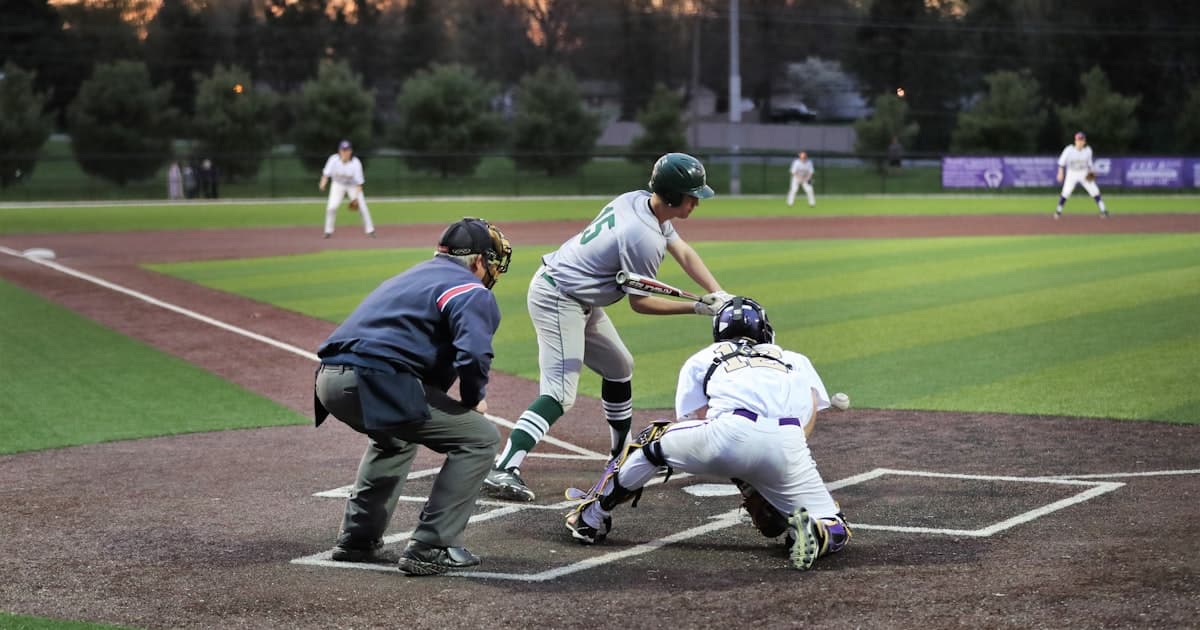
Creating a youth baseball league schedule is one of the most complex and thankless jobs in recreational sports. You are balancing field availability, team counts, age groups, volunteer umpires, weather contingencies, and the expectations of hundreds of families. Get it right and nobody notices. Get it wrong and your inbox fills up fast.
This guide walks through the entire process of building a youth baseball league schedule from scratch. Whether you are a first-year league director or a veteran looking for a better approach, you will find practical steps, recommended formats, and solutions to the most common scheduling headaches.
Why Scheduling Is the Hardest Job in Youth Baseball
League directors wear many hats, but scheduling is the one that causes the most friction. Here is why it consistently ranks as the most stressful responsibility in youth baseball administration.
Parent complaints are inevitable. No matter how carefully you build the schedule, someone will have a conflict. Travel ball commitments, family vacations, school events, and work schedules all collide with your league calendar. The goal is not to eliminate complaints. The goal is to build a schedule that is fair, transparent, and defensible when questions arise.
Field availability is rarely generous. Most recreational leagues share fields with other sports, school programs, and community events. You might have four teams that need to play on a Saturday but only two available diamonds. Field constraints are the single biggest factor that shapes your schedule, and they change year to year.
Volunteer burnout is real. Coaches, umpires, and board members all have limits. A schedule that packs too many games into a short window or leaves awkward gaps between matchups wears people out. Sustainable scheduling keeps your volunteer base intact from season to season.
Weather disrupts everything. Rain dates, heat cancellations, and field closures are not edge cases. They are certainties. A schedule without built-in flexibility will collapse under the first week of bad weather.
The good news is that a methodical approach solves most of these problems before they start. Let us walk through the key decisions you need to make.

How Many Games Per Season by Age Group
The right number of games depends on the age group, your league's philosophy, and your available fields and weeks. Here are general recommendations based on common recreational league standards across the country.
| Age Group | Recommended Games | Season Length (Weeks) | Practices Per Week | Game Length |
|---|---|---|---|---|
| 6U (T-Ball) | 8 to 10 | 8 to 10 | 1 | 3 to 4 innings |
| 8U (Coach Pitch) | 10 to 12 | 10 to 12 | 1 to 2 | 4 to 5 innings |
| 10U | 12 to 14 | 10 to 12 | 2 | 6 innings |
| 12U | 14 to 16 | 10 to 14 | 2 | 6 innings |
| 14U | 14 to 18 | 12 to 14 | 2 to 3 | 7 innings |
A few notes on this table. These numbers assume a recreational league, not a travel or select program. Younger age groups benefit from shorter seasons with more practice time relative to games. Older age groups can handle a higher game count, but you should still build in off weeks for holidays, weather makeups, and family scheduling relief.
For T-ball and coach pitch, many leagues play two games per week to keep the season compact while parents are still engaged. For 10U and above, one to two games per week is standard with dedicated practice days in between.
The total number of games also depends on how many teams are in each division. A six-team round robin where every team plays every other team twice produces 10 games per team. An eight-team division with the same format produces 14 games per team. Your team count will naturally guide the season length.
Choosing a Format: Round Robin vs. Division Play vs. Inter-League
The scheduling format you choose affects fairness, logistics, and the overall experience for families. Here are the three most common formats for youth baseball leagues.
Round Robin
In a round robin format, every team plays every other team at least once. This is the most common format for smaller divisions (four to eight teams) and is widely considered the fairest approach for recreational play.
Best for: Single divisions with four to eight teams where fairness and equal competition are priorities.
Advantages: Every team faces every opponent. Standings are meaningful because all teams have played the same schedule. It is simple to explain to parents and coaches.
Challenges: The number of games grows quickly as you add teams. A ten-team single round robin means nine games per team. Doubling that for a home-and-away format means 90 games and 18 per team, which is too many for most recreational seasons.
For a deeper dive into round robin scheduling mechanics, see our guide on round robin schedule generation for youth sports.
Division Play
When your league has more than eight teams in an age group, splitting into divisions keeps the schedule manageable. Teams play a full round robin within their division and a partial schedule against the other division.
Best for: Larger leagues with nine or more teams per age group.
Advantages: Reduces total games while maintaining competitive balance within divisions. Creates natural rivalry matchups. Allows for inter-division play during the season and a crossover playoff format at the end.
Challenges: Division alignment matters. If one division is significantly stronger than the other, the playoff round can feel lopsided. Try to balance divisions based on prior season results, coaching experience, or a draft system.
Inter-League Play
Some communities have multiple independent leagues that schedule games against each other. This is less common at the recreational level but works well for older age groups (12U and above) in areas where individual leagues are small.
Best for: Small leagues that need more opponents, or communities looking to build toward an all-star or tournament selection process.
Advantages: More variety for players. Exposes teams to different competition levels. Can strengthen the talent pool for tournament teams.
Challenges: Coordination between league directors adds complexity. Travel between facilities may be required. Rules and field dimensions may differ between leagues.
Format Comparison Table
| Factor | Round Robin | Division Play | Inter-League |
|---|---|---|---|
| Fairness | Highest | High (within division) | Variable |
| Complexity | Low | Medium | High |
| Best Team Count | 4 to 8 | 9 to 16 | Any |
| Travel Required | Minimal | Minimal | Moderate |
| Playoff Options | Optional | Natural crossover | Tournament style |
| Parent Satisfaction | High | High | Mixed |

Step-by-Step Guide to Building a Schedule from Scratch
Here is the practical process for creating your league schedule. These steps assume you have already completed registration, formed teams through a draft or selection process, and know your total team count per age group.
Step 1: Lock Down Your Field Inventory
Before you schedule a single game, document every field available to your league. For each field, note the following.
- Which age groups can play there (field dimensions, mound distance, base paths)
- Available days and time slots (weekday evenings, Saturday mornings, Sunday afternoons)
- Any blackout dates (school events, community use, maintenance windows)
- Lighting availability for evening games
- Maximum games per day the field can handle with proper turnaround time
Create a simple spreadsheet or calendar view that shows every available slot across the entire season. This is your foundation. Everything else builds on top of field availability. For more on managing fields efficiently, see our guide on field scheduling software.
Step 2: Set Your Season Calendar
Define the first and last dates of the regular season. Then mark the following on your master calendar.
- Opening day
- Holiday weekends where no games will be scheduled (Memorial Day, Fourth of July, etc.)
- Designated rain date windows (typically one open weekend every three to four weeks)
- End-of-season tournament or playoff dates
- Any league events (picture day, skills competitions, all-star selections)
Count the total available game weeks. This number, combined with your team count, determines how many matchups you can fit into the season.
Step 3: Choose Your Format and Calculate Matchups
Using the format comparison above, decide on round robin, division play, or a hybrid approach for each age group. Then calculate the total games needed.
Use a round robin generator or schedule maker to calculate your matchups automatically. For a quick reference, here is what common league sizes look like:
| Teams | Games per Team (Single RR) | Games per Team (Home & Away) |
|---|---|---|
| 4 | 3 | 6 |
| 6 | 5 | 10 |
| 8 | 7 | 14 |
| 10 | 9 | 18 |
| 12 | 11 | 22 |
Our baseball and softball league schedule maker handles the math for you and generates balanced matchups in seconds.
Compare the games-per-team number against your available weeks. If you have 10 weeks and each team needs to play 10 games, you need one game per team per week. If a team needs 14 games in 10 weeks, you need some doubleheader weeks or multiple game slots.
Step 4: Build the Master Grid
This is where the actual scheduling happens. Create a week-by-week grid that assigns matchups to specific field slots. Start with the most constrained age group (usually the one with the most teams or the fewest available fields) and work outward.
Key principles for the grid:
- No team should play more than three games in a single week at any age group.
- Space out matchups so teams playing each other twice have those games at least three weeks apart.
- Alternate home and away assignments so no team has more than two consecutive home or away games.
- Avoid scheduling the same two teams at the same time slot every week. Rotate time slots so every team gets a mix of early and late games.
- If you have weekday and weekend slots, distribute them evenly across teams.
Step 5: Check for Conflicts and Balance
Once the grid is built, run through these quality checks.
Coach conflicts: If a coach has kids in multiple age groups, make sure their games do not overlap. This is one of the most common complaints and one of the easiest to prevent with a simple cross-reference.
Umpire availability: If you are using volunteer or assigned umpires, verify that your umpire pool can cover the number of simultaneous games on any given day.
Travel balance: If your league uses multiple facilities, make sure no team is always assigned to the distant field while another team always plays close to home.
Bye week fairness: In odd-team divisions, every team will have bye weeks. Spread these evenly and avoid giving any team a bye in the first or last week of the season.
Step 6: Build in Weather Contingency
Every schedule needs a plan for cancellations. The two most common approaches are designated makeup dates and a rolling reschedule policy.
Designated makeup dates work best for leagues with tight field availability. Reserve one Saturday every three to four weeks as a makeup window. If no games were rained out, that Saturday becomes a free weekend for families (which they will appreciate).
Rolling reschedule works for leagues with more flexible field access. Cancelled games get rescheduled to the next available open slot. This is simpler to plan but harder to manage mid-season because the schedule constantly shifts.
Whichever approach you choose, communicate it clearly to all families before the season starts. Nothing frustrates parents more than uncertainty about when a rained-out game will be replayed.
Step 7: Publish and Distribute
Once the schedule is finalized, publish it in multiple formats.
- A printable PDF that coaches can hand out at practice
- A web-based calendar that families can subscribe to on their phones
- An email announcement with the first two weeks highlighted
- A posted version at your league's facility or bulletin board
Include the rain date policy, the process for reporting conflicts, and contact information for the scheduling coordinator in every version.
Common Scheduling Mistakes and How to Avoid Them
Even experienced league directors fall into these traps. Here are the most frequent scheduling mistakes and straightforward solutions for each.
Double-Booking Fields
This happens when multiple age groups or league divisions share the same facility calendar. The fix is a single master calendar that all schedulers reference. Color-code by age group and require that any field reservation goes through one central point of contact. Avoid letting individual coaches or division coordinators book fields independently.
Ignoring Travel and Time Between Games
If your league uses multiple locations, account for travel time between them. A family with a 10:00 AM game at Field A and a 12:00 PM sibling game at Field B (twenty minutes away) will struggle if the first game runs long. Build at least 90 minutes between games at different locations for the same family, and 30 minutes between back-to-back games at the same field to allow for field prep and warmups.
Front-Loading the Schedule
Some directors try to get all games in early to avoid weather problems later in the season. This backfires. Families burn out from playing three or four games per week in the early going, and you lose the buffer you need for makeups later. Keep a steady, sustainable pace of one to two games per week throughout the season.
No Plan for Odd Numbers
A seven-team division means one team has a bye every week. If you do not plan for this, you will end up scrambling to fill gaps or leaving coaches frustrated by inconsistent game frequency. Build bye weeks into the grid from the start and distribute them fairly.
Scheduling Around Holidays Too Late
If you wait until mid-season to figure out the Memorial Day or Fourth of July weekend situation, you will create confusion. Decide before the season whether those weekends are off (recommended) or include makeup games. Put it in the original schedule so families can plan.
Not Accounting for Playoff Seeding
If your season ends with a tournament or playoffs, the regular season schedule needs to produce clear and fair standings. A round robin format handles this naturally. Division play requires that you think about tiebreaker rules, head-to-head records, and crossover seeding before the season starts, not after.
Adding an End-of-Season Tournament or Playoffs
Most youth baseball leagues end with some form of culminating event. Here are the most common options.
Single-elimination bracket. Simple to run and creates excitement, but half the teams go home after one loss. Best for older age groups (12U and above) where players understand the stakes. For a detailed comparison of bracket types, see our guide on single elimination vs double elimination.
Double-elimination bracket. Every team is guaranteed at least two games. This is the most popular format for recreational league playoffs because it balances competitive drama with participation.
Round robin playoff. The top four or six teams play a shortened round robin to determine a champion. This takes more time and field space but produces the most accurate result.
All-play celebration tournament. Every team participates regardless of regular season record. Seeding determines matchups, but the focus is on the experience rather than elimination. Best for younger age groups (6U through 8U) where every player should finish the season on a positive note.
Whatever format you choose, reserve specific dates and fields for the tournament before the regular season schedule is built. Working backward from championship day ensures you have enough time and space to run the event properly. Once your regular season wraps up, create playoff brackets with our tournament bracket generator.
Tools and Tips for Managing Schedule Changes Mid-Season
No schedule survives the season unchanged. Games get rained out. Teams fold or merge. Coaches resign. Fields get damaged. Here is how to handle the inevitable mid-season adjustments.
Maintain a single source of truth. Whether it is a Google Sheet, a league management platform, or a tool like the Dugout Edge baseball & softball schedule maker, designate one place where the current schedule lives. Every update goes there first, and all other versions (printed, emailed, posted) reference it.
Communicate changes immediately. When a game is moved or cancelled, notify both teams the same day via text or email. Waiting even 24 hours creates a window where families might miss the update. Most league management platforms offer push notifications. Use them.
Track what has been played. Keep a running record of completed games, postponed games, and their reschedule dates. This prevents the end-of-season scramble where you realize two teams still have an unplayed makeup game with no dates left to play it.
Set a deadline for makeups. Establish a rule that all regular season games must be completed at least one week before playoffs begin. Games not made up by that date are recorded as a tie or double forfeit, depending on your league rules. This prevents the season from dragging on indefinitely.
Empower a small scheduling committee. One person managing all schedule changes for a multi-division league will burn out. Assign a scheduling coordinator for each age group who can handle day-to-day changes within their division, reporting up to the league director for cross-division issues.

Frequently Asked Questions
How far in advance should I publish the league schedule?
Aim to publish the full season schedule at least two weeks before opening day. This gives families time to identify conflicts and coaches time to plan their practice schedules. If your league runs a draft, build in one week after the draft for team formation before finalizing the schedule.
What do I do when a team drops out mid-season?
First, determine if the team's remaining games can be forfeited or if you need to redistribute those matchups. For standings purposes, most leagues void all results involving the dropped team. For scheduling, remove their games from the calendar and consider adding a bye week for teams that lost a matchup, or schedule scrimmages against each other to fill the gap.
How do I handle teams that want to reschedule for travel ball conflicts?
Set a clear league policy before the season. Most recreational leagues do not reschedule games for travel ball commitments. The standard approach is that league games take priority, and teams that cannot field a roster for a scheduled game forfeit. If you choose to allow rescheduling for travel conflicts, establish a request deadline (48 hours in advance) and limit each team to one or two reschedule requests per season.
Should I schedule games on weekday evenings or weekends only?
This depends on your field availability and community preferences. Weekend-only schedules are easier for families but require more fields and longer game days. Weekday evening games spread out the field usage and give families their weekends back, but they require lighted fields and can conflict with school activities. Most leagues use a mix, with younger age groups playing weekday evenings (shorter games, earlier bedtimes) and older age groups filling weekend slots.
How many games per week is too many for youth players?
For recreational leagues, two games per week is the standard maximum for any age group. Three games in a single week should only happen during makeup situations or tournament play, and never for consecutive weeks. Young arms need rest, and families need breathing room. Quality of play also drops noticeably when kids are overtired from too many games in a short span. For guidance on making the most of practice days between games, check out our complete guide to running a youth baseball practice and tips on how to create the perfect practice plan.
Building a youth baseball league schedule takes patience, flexibility, and a willingness to make tough calls when conflicts arise. The schedule will never be perfect for everyone, but a well-structured process produces something that is fair, sustainable, and manageable throughout the season. For a faster starting point, try the Dugout Edge baseball & softball league schedule maker to generate a balanced round robin or division schedule in minutes.
Tags
Build Your League Schedule in Minutes
Use our free baseball and softball league schedule maker to create balanced, fair schedules for your youth league.
Try Free Schedule Maker