Youth Baseball Field Scheduling Software: A Guide for League Directors
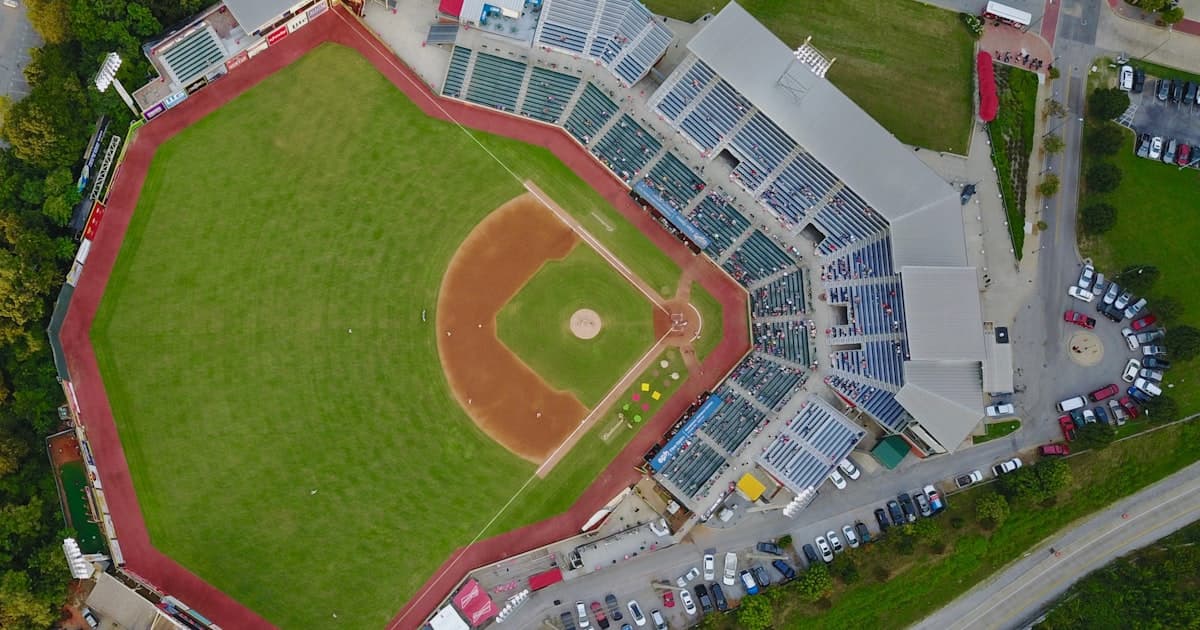
If you have ever shown up to a field only to find another team already warming up on it, you understand the problem. Field scheduling in youth baseball sounds straightforward until you factor in six age divisions, four diamonds, a shared park with the soccer league, spring rain every other Tuesday, and the one field that can only be used after 5 PM on weekdays because of school.
For league directors managing dozens or hundreds of games per season, field scheduling is one of the most time-consuming and frustration-filled responsibilities of the job. A single mistake can cascade into a string of conflicts that eat up an entire weekend. And when rainouts pile up in April, the carefully constructed schedule you spent weeks building can fall apart in a matter of days.
This guide breaks down the field scheduling challenge, compares software options with manual approaches, and offers practical strategies that work regardless of which tools you use.

The Field Scheduling Problem Every League Director Knows
Most people outside of league administration assume that scheduling games is the hard part. In reality, building the game schedule itself is a solved problem. Round-robin generators and bracket tools can spit out matchups in seconds. The truly difficult part is assigning those games to specific fields at specific times without creating conflicts.
Here are the recurring headaches that make field scheduling so challenging:
Double bookings. Two games assigned to the same field at the same time. This usually happens when multiple people are making changes to the schedule independently, or when a makeup game gets slotted in without checking existing reservations.
Rainout cascading. A single rained-out Saturday can mean eight or more games need to be rescheduled. Each of those games needs an open field, a time slot that works for both teams, and umpire availability. Multiply that by three rainy weekends in April and the problem compounds quickly.
Multi-sport competition. Many parks and recreation departments share fields across baseball, softball, soccer, football, and lacrosse. Your spring baseball schedule may overlap with spring soccer. The field you counted on for Tuesday evening games might get claimed by flag football starting in May.
Maintenance windows. Fields need rest. Overuse leads to worn-out infields, damaged mounds, and unsafe playing surfaces. Responsible leagues build in maintenance time, but that reduces available slots. The pressure to squeeze in every game often pushes maintenance to the back burner, which creates bigger problems later. For a guide to the tools that keep your fields in shape, see our roundup of the best baseball field maintenance equipment.
Uneven field quality. Not every diamond is created equal. Some fields have lights for evening games, some do not. Some can handle younger age groups but lack the proper dimensions for older divisions. A 12U game cannot just be moved to a T-ball field because it happens to be open.
Tournament conflicts. Travel ball tournaments, all-star events, and end-of-season playoffs often require exclusive use of multiple fields simultaneously. Reserving blocks of time for tournaments while keeping the regular season running smoothly adds another layer of complexity.
When to Switch from Spreadsheets to Software
Plenty of leagues run their field scheduling through a combination of Google Sheets, a shared calendar, and a lot of phone calls. For smaller operations, this works fine. But there is a tipping point where manual methods start costing more time and creating more problems than they solve.
Here are some signs that your league has outgrown spreadsheets:
You manage more than four fields. Once you cross four diamonds, the number of potential time slot conflicts grows significantly. Keeping track of everything in a spreadsheet becomes error-prone.
Multiple people need to make scheduling changes. If more than one person is responsible for scheduling (a common situation when you have separate coordinators for different age groups), shared spreadsheets quickly become a source of conflicting edits and lost changes.
Rainouts take more than an hour to resolve. If a rained-out day turns into a multi-hour project of checking availability, contacting coaches, and manually updating calendars, your process is overdue for an upgrade.
You are fielding constant complaints about scheduling conflicts. When coaches and families start losing trust in the schedule because conflicts happen regularly, it damages the league's credibility and your sanity.
You share facilities with other organizations. Coordinating field use across multiple sports or multiple leagues at the same park practically requires a centralized system.
Your season involves more than 100 total games. At this volume, even a small error rate creates a noticeable number of conflicts over the course of a season.
If several of these apply to your league, it is worth looking at what baseball field scheduling software can offer.
What to Look for in Field Scheduling Software
Not all scheduling tools are built for the specific challenges of youth baseball field management. When evaluating options, look for these capabilities:
Must-Have Features
Multi-field calendar view. You need to see all fields in a single view, ideally showing what is scheduled on each diamond at every time slot. A grid layout (fields on one axis, time on the other) is the most efficient format for spotting conflicts and open slots.
Conflict detection. The software should automatically flag when two events are assigned to the same field at the same time. This is the single most valuable feature and the primary reason to move beyond spreadsheets.
Field attributes and filtering. The ability to tag fields with attributes like "lighted," "90-foot bases," "turf infield," or "no mound" allows you to filter available fields by the requirements of each game.
Drag-and-drop rescheduling. When a game needs to move, you should be able to drag it to a new field and time slot without re-entering all the details. The system should warn you if the new slot conflicts with anything.
Notification system. When a game is moved or cancelled, the software should send automatic notifications to the affected teams. This eliminates the need for league directors to manually text or email every coach involved.
Nice-to-Have Features
Rain delay workflows. A built-in process for marking games as rained out, identifying available makeup slots, and automatically suggesting rescheduling options. Very few tools handle this well, but it is the feature that would save league directors the most time.
Recurring reservations. The ability to set up repeating time blocks (like "Field 3, Tuesdays 5:30 to 7:30, March through May") without creating each entry individually.
Integration with league management. If your scheduling tool can pull team data from your registration system, it eliminates duplicate data entry and keeps everything in sync.
Reporting and utilization metrics. Data on how often each field is used, which time slots are most popular, and how many games were affected by weather. This information is valuable for negotiating field use with parks departments and for planning future seasons.
Public-facing calendar. A shareable view where coaches, families, and umpires can see the field schedule without needing login access to the admin tool.
Current Software Options: An Honest Assessment
The market for baseball field scheduling software remains thin heading into the 2026 season, though a few platforms have added useful features. Most solutions fall into one of two categories: general sports management platforms that include some field scheduling features, or generic facility scheduling tools that were not designed for the specific needs of baseball leagues.
TeamSideline
TeamSideline is one of the more established platforms for youth sports league management. It includes field and facility scheduling as part of its broader suite, which also covers registration, team formation, and communication.
Strengths: Comprehensive league management in one platform. The field scheduling component integrates with the game schedule, so when you assign a game to a field, it appears on the team's calendar automatically. Decent conflict detection and the ability to manage multiple locations.
Weaknesses: The interface can feel dated compared to modern web applications. The field scheduling features are functional but not deeply specialized. Rainout management is largely manual. Pricing is based on league size and can add up for larger organizations.
Best for: Leagues that want an all-in-one solution and are willing to adopt a complete platform rather than adding a standalone scheduling tool.
LeagueApps
LeagueApps focuses on the business side of youth sports: registration, payments, and program management. Field scheduling exists within the platform but is not its primary strength.
Strengths: Strong registration and payment processing. Modern interface. Good mobile experience for parents and coaches. The scheduling features tie into the broader ecosystem of managing programs and seasons.
Weaknesses: Field scheduling is more of an add-on than a core feature. The tools for managing complex multi-field scenarios, handling rainouts, and resolving conflicts are limited compared to what a dedicated field scheduling tool would offer.
Best for: Leagues that prioritize registration management and want basic scheduling capabilities in the same platform.
Sports Facilities Management Platforms
Tools like eSoft Planner, Dash, and Upper Hand are designed for sports facilities (indoor training centers, multi-field complexes, event venues). They approach scheduling from a facility management perspective rather than a league management perspective.
Strengths: Excellent at managing bookings, reservations, and facility utilization. Built for organizations that rent out field time and need to track revenue. Strong calendar views and conflict prevention.
Weaknesses: These tools are built for facility operators, not volunteer league directors. They assume a commercial booking model that does not map cleanly to how most youth leagues operate. Setup can be complex, and pricing often reflects the commercial market rather than the nonprofit youth sports market.
Best for: Leagues that operate their own multi-field complex and need to manage both league games and outside rentals.
Google Calendar and Spreadsheet Approaches
Many leagues use some combination of Google Calendar (with a separate calendar for each field), Google Sheets (with a master schedule grid), and group texting apps for communication.
Strengths: Free. Familiar to most people. Easy to set up. Google Calendar can be shared with coaches and allows color-coding by field or age group. Spreadsheets can be customized to exactly how the league operates.
Weaknesses: No automatic conflict detection. No notifications when changes are made (unless you set up manual alerts). No integration between the game schedule and the field calendar. Rescheduling requires manual updates in multiple places. The more people who have edit access, the higher the risk of accidental overwrites.
Best for: Small leagues with four or fewer fields and fewer than 100 games per season. Also a reasonable option for leagues with a single dedicated scheduler who has a strong system in place.
Pro tip: If you go the Google approach, create a color-coded system from day one. Assign each age division its own color, and use a separate calendar for maintenance windows and rainout makeup slots. This small setup step saves hours of confusion mid-season.
The Gap in the Market
After evaluating the available options for 2026, the honest assessment remains the same: there is still no tool built specifically for the unique challenges of youth baseball and softball field scheduling. The existing platforms either treat field scheduling as a secondary feature within a larger system, or they are built for commercial facility management rather than volunteer-run leagues.
The features that would matter most to league directors, like intelligent rainout rescheduling, multi-sport conflict resolution, and automatic makeup game suggestions, are either absent or poorly implemented across the board. Most league directors end up cobbling together a combination of tools and still relying heavily on manual work for the hardest parts of the job.

How to Build a Field Schedule Manually
If software is not in the budget or your league is small enough that manual methods work, here is a step-by-step process for building a solid field schedule.
Step 1: Inventory your fields. Create a master list of every field available to your league. For each field, document its attributes: base path distances, whether it has lights, mound specifications, any usage restrictions (school fields with limited hours, parks that close at dark), and any shared-use agreements with other sports.
Step 2: Map your time windows. For each field, define the available time windows by day of the week. Be specific. "Weekday evenings" is not enough. You need to know that Field A is available Monday through Thursday from 5:30 PM to 8:30 PM, and that each game slot needs 2 hours (1.5 hours of play plus 30 minutes for transition between games).
Step 3: Build your game schedule first. Before assigning fields, generate the matchups for each division using a round-robin or balanced schedule format. Our baseball and softball league schedule maker can help with this step. Focus on getting the matchups right before worrying about where each game will be played.
Step 4: Create a master grid. Build a spreadsheet with fields as columns and time slots as rows. Each cell represents one opportunity to play a game. This grid is your field inventory for the season.
Step 5: Assign games to slots using constraints. Start with your most constrained situations first. If a division can only play on Field 2 (because of base path distance) and only on Saturdays (because of age-appropriate game times), assign those games first. Then fill in less constrained divisions around them.
Step 6: Build in buffer. Do not schedule every available slot. Leave 10 to 15 percent of your field time unscheduled as buffer for makeup games, practice time, and field maintenance. This buffer is not wasted space. It is the slack that keeps your schedule from collapsing when rain hits.
Step 7: Identify your makeup game slots in advance. Before the season starts, designate specific dates and times as makeup game windows. Communicate these to coaches and families at the beginning of the season so they can keep those windows open.
For a deeper dive into building the game schedule itself, see our guide on how to create a youth baseball league schedule.
Rain Delay and Makeup Game Strategies
Rain is the great destroyer of youth baseball schedules. Here are strategies for handling it effectively, regardless of what tools you use.
Establish a Priority System
Not all rained-out games carry the same urgency. Create a clear priority system for which games get rescheduled first:
- Games affecting standings or playoff seeding. If a rained-out game could change which teams make the playoffs, it goes to the top of the list.
- Games where one team has significantly fewer games played. If one team has played three fewer games than the rest of the division due to repeated rainouts, their makeup games take priority.
- Games involving teams with the fewest remaining schedule slots. Some teams may have fewer available dates due to tournaments or other commitments.
- All other games. Rescheduled in the order they were originally rained out.
Use Floating Makeup Windows
Instead of trying to find random open slots throughout the season, designate specific floating makeup dates before the season starts. Common approaches include:
- Sunday afternoon windows. If your league does not normally play on Sundays, reserving two or three Sundays during the season as potential makeup days gives you concentrated blocks of field time.
- Extended weeknight windows. Adding a weeknight that is not normally part of the schedule (if you usually play Tuesday/Thursday, designating Monday as a makeup day) can open up significant capacity.
- End-of-season buffer. Building a one to two week buffer before playoffs allows you to reschedule late-season rainouts without pushing into tournament time.
Communication Templates
When games are postponed, fast and clear communication prevents confusion. Prepare templates in advance:
Cancellation message template: "Due to [weather/field conditions], the following games scheduled for [date] have been postponed: [list games]. Makeup dates will be communicated by [specific date]. Please hold [designated makeup windows] open."
Makeup game message template: "The [Team A] vs [Team B] game originally scheduled for [original date] has been rescheduled to [new date] at [time] on [field]. Please confirm your team's availability by [deadline]."
Having these templates ready means you can communicate within minutes of making a cancellation decision rather than spending time composing messages from scratch.
Decision Timing
One often-overlooked aspect of rainout management is when to make the call. Cancelling too early (the night before) means you might miss a playable day. Cancelling too late (an hour before game time) means families have already driven to the field.
A reasonable approach: make the decision three to four hours before the first game of the day. This gives enough time for conditions to clarify while still allowing families to adjust their plans. Communicate the decision immediately through whatever channels your league uses.
Multi-Sport Field Sharing: Coordinating with Other Leagues
Most parks departments allocate field time to multiple sports organizations. Baseball, softball, soccer, football, and lacrosse all compete for the same outdoor space, especially in spring when multiple seasons overlap.
Establish a Shared Calendar
The most important step is ensuring that every organization sharing the same park has visibility into the others' schedules. A shared Google Calendar (view-only for other organizations, edit access for each organization's own entries) is a low-tech solution that works surprisingly well.
Negotiate Seasonal Priorities
Work with your parks department to establish which sport has scheduling priority during each season. A common arrangement:
- March through June: Baseball and softball have priority on diamonds, soccer has priority on rectangular fields.
- July through August: Flexible, with tournaments and camps filling gaps.
- September through November: Football and soccer take priority, with fall ball baseball working around them.
Define Transition Protocols
When a field transitions from one sport to another (soccer goals come down, pitcher's mound goes up), who handles it and when? Establishing clear transition protocols with specific dates prevents the chaos of mid-season field conversions.
Handle Conflicts Before They Happen
At the start of each season, sit down with the directors of every league sharing your facilities. Compare schedules, identify potential conflicts, and resolve them before teams are notified. This takes a couple of hours at the beginning of the season but prevents dozens of hours of conflict resolution later.
We Are Exploring a Field Scheduling Tool
After years of building tools for youth baseball coaches and league directors, field scheduling is a challenge we keep hearing about. The existing options do not fully address the specific needs of volunteer-run youth baseball and softball leagues.
We continue to explore building a field scheduling tool designed specifically for this problem, and feedback from league directors across the country has been shaping our thinking. Not a generic facility management platform, but something purpose-built for the league director who is managing four to twelve diamonds, juggling rainouts, coordinating with other sports, and doing it all as a volunteer.
If field scheduling is a pain point for your league, we would love to hear about it. What tools are you using today? What is the most frustrating part of the process? What features would actually make your life easier? And if you also need help tracking stats on game day, check out our review of the best baseball scorekeeping apps for youth coaches.

Frequently Asked Questions
What is the best free baseball field scheduling software?
There is no dedicated free baseball field scheduling software that handles all the needs of a youth league. The most common free approach is using Google Calendar with one calendar per field, combined with a shared spreadsheet for the master schedule. This setup offers basic visibility and conflict prevention, though it lacks automatic conflict detection, notifications, and rainout management features. For leagues with four or fewer fields and simple scheduling needs, the Google approach is often sufficient.
How do I handle double-booked fields?
Prevention is the best approach. Use a single master calendar for all field assignments and ensure only one person (or a small coordinated group) has the authority to make field reservations. When a double booking does occur, the game that was assigned to the field first takes priority. The second game needs to be moved to an alternative field or time slot. After resolving the immediate conflict, investigate the root cause. Double bookings usually stem from multiple people making changes without coordination or from forgetting to update the master schedule after a verbal agreement.
How many games can I schedule on one field per day?
This depends on the age group and game format. For standard youth baseball, assume each game requires a 2 to 2.5 hour window (game time plus transition). On a field with lights, a typical Saturday might support three to four games (8 AM, 10:30 AM, 1 PM, 3:30 PM), with an optional evening slot at 6 PM for older divisions. On a field without lights, you are limited by daylight. During spring months, three games is usually the safe maximum. Also factor in field maintenance. Playing five or more games on the same diamond in a single day without maintenance will degrade the playing surface quickly, especially the mound and home plate area.
How do I coordinate field schedules with parks and recreation departments?
Start by understanding your agreement. Most leagues have a permit or field use agreement that specifies which fields they can use, during what hours, and under what conditions. Get this in writing. Establish a single point of contact at the parks department and build a relationship with that person. Share your season schedule as early as possible. When conflicts arise, approach them collaboratively rather than adversarially. Parks departments are more likely to accommodate leagues that are organized, communicative, and take care of the fields. Document everything, including field condition reports and maintenance you perform, as this builds a track record that helps in future negotiations.
What is the biggest mistake league directors make with field scheduling?
Scheduling every available slot without leaving buffer for makeup games. When a league fills 100 percent of available field time with regular season games, there is nowhere to put rained-out games. This leads to doubleheaders, shortened games, or games that simply never get played. The solution is to intentionally leave 10 to 15 percent of your total field capacity unscheduled at the start of the season. Designate those open slots as makeup windows and communicate them to families in advance. It feels wasteful to leave fields empty, but that slack in the schedule is what keeps the entire season from derailing when weather hits.
Tags
Explore Our Free Coaching Tools
From lineup generators to practice planners to league schedulers, Dugout Edge has free tools built for youth coaches.
View All Tools