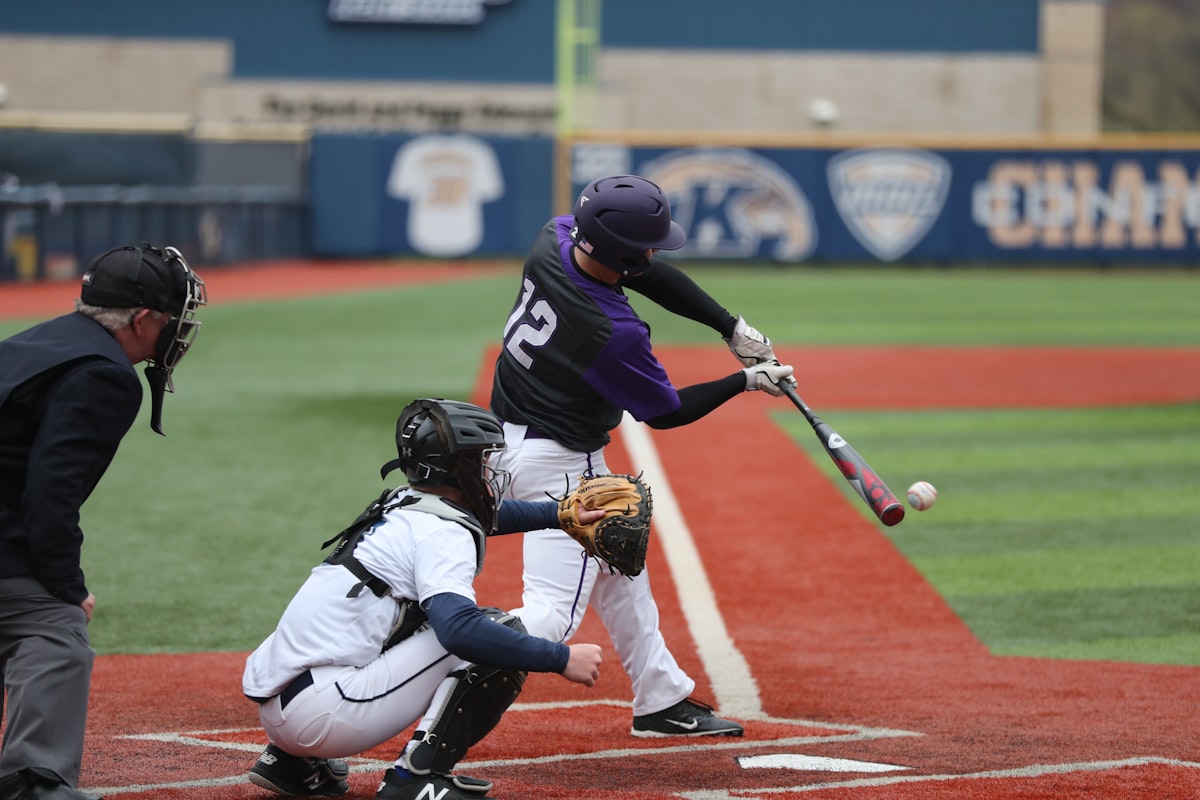
Two-Strike Hitting: Protecting the Plate
With two strikes, the dynamic changes. You're one strike away from an out. Great hitters adjust their approach with two strikes. This guide teaches you how to protect the plate and extend at-bats.
The Two-Strike Mindset
What Changes
Before Two Strikes:
- Look for YOUR pitch
- Be selective
- Look for mistake pitches to drive
With Two Strikes:
- Protect the plate
- Expand your zone slightly
- Focus on contact, not power
- Fight to stay alive
The Mental Shift
From: "I'm looking for MY pitch" To: "I'm not going to let this pitcher get me out"
Key Thought: Put the ball in play. Make them field it.
Adjusting Your Stance and Grip
Move Closer to the Plate
Why:
- Better coverage of the outside corner
- Pitcher can't hide pitches away from you
- You can reach more pitches
How:
- Slide 2-3 inches closer
- Make sure you can still turn on inside pitches
Choke Up on the Bat
Why:
- Better bat control
- Quicker swing
- Easier to make contact
How:
- Move hands up 1-2 inches on the handle
- Not too much (still need some power)
Shorten Your Stride
Why:
- Quicker to the ball
- Better balance
- Less timing issues
How:
- Reduce your stride by half
- Stay more compact
Expanding Your Zone
What Pitches to Protect
With Two Strikes, You Must Swing At:
- Borderline pitches on the corners
- Pitches just off the plate
- Close breaking balls
The Rule: If it could be called a strike, protect it.
Zone Expansion
| Pitch Location | 0-1 Strike | 2 Strikes |
|---|---|---|
| Middle-middle | Crush it | Crush it |
| Edge of zone | Take or swing | SWING |
| Just off plate | Take | PROTECT |
| Way off plate | Take | Take |
Reading Breaking Balls
The Challenge:
- Breaking balls start in the zone
- They break out of the zone
- With two strikes, you might have to swing
The Approach:
- Look for spin early
- Stay back as long as possible
- If it looks good, protect it
Swing Mechanics with Two Strikes
Shorten Your Swing
What It Means:
- Compact swing path
- Hands stay inside the ball
- Quick bat through the zone
How to Do It:
- Don't load as much
- Take a shorter path to the ball
- Think "line drive up the middle"
Stay Through the Ball
The Goal: Make solid contact, even on tough pitches
Technique:
- Don't pull off the ball
- Keep your head down
- Finish your swing
Hit the Ball Where It's Pitched
| Pitch Location | Where to Hit It |
|---|---|
| Inside | Pull side (left for righties) |
| Middle | Up the middle |
| Outside | Opposite field |
With Two Strikes: Don't try to do too much. Just put it in play.
Situational Two-Strike Hitting
Runner on Third, Less Than 2 Outs
The Situation: A fly ball or ground ball scores the run
Your Approach:
- Look for a pitch you can lift (fly ball)
- Or look for something you can hit to the right side (moves runner)
- Don't strike out
Runner on Second, Nobody Out
The Situation: Move the runner to third
Your Approach:
- Hit the ball to the right side
- A ground ball to second base moves the runner
- Don't try to be a hero
Two Outs, Runners in Scoring Position
The Situation: This at-bat is everything
Your Approach:
- Battle
- Foul off tough pitches
- Wait for something you can drive
- Extend the at-bat
Tie Game, Late Innings
The Situation: Every at-bat matters
Your Approach:
- Don't give away at-bats
- Fight
- Make the pitcher work
- Get on base any way possible
Battling and Fouling Off Pitches
The Art of the Foul Ball
Why Foul Balls Matter:
- Keep the at-bat alive
- Tire the pitcher
- See more pitches
- Wait for a mistake
How to Foul Pitches Off:
- On tough pitches, just fight it off
- Don't try to do too much
- Barely make contact
Recognizing Pitches to Foul
Tough Locations:
- Low and outside breaking ball
- High fastball
- Inside corner
Your Thought: "I can't drive this, but I can foul it off"
When to Stop Fighting
Go After It When:
- Pitcher makes a mistake
- You get a pitch in a hittable location
- You see something you can drive
Don't Foul Forever: Eventually you need to put it in play.
Common Two-Strike Mistakes
Over-Swinging
The Problem: You swing harder with two strikes (opposite of what you should do)
Why It's Bad: Less control, more strikeouts
The Fix: Shorten up, make contact
Giving Up on At-Bats
The Problem: You assume you'll strike out and don't fight
Why It's Bad: Self-fulfilling prophecy
The Fix: Battle every pitch, never give in
Not Adjusting Zone
The Problem: You take borderline pitches for strike three
Why It's Bad: Umpire might call it a strike
The Fix: Expand your zone with two strikes
Pulling Off the Ball
The Problem: You bail out toward first base (or third) while swinging
Why It's Bad: Can't make contact with outside pitches
The Fix: Stay in the box, stay through the ball
Chasing Bad Pitches
The Problem: You swing at pitches way out of the zone
Why It's Bad: Easy strikeouts
The Fix: Expand slightly, but don't chase garbage
Practice Drills for Two-Strike Hitting
Short Bat Drill
Setup: Use a shortened bat or choke way up Goal: Make contact with every pitch Focus: Bat control, not power
Opposite Field Drill
Setup: Hit everything to the opposite field Goal: Stay through outside pitches Focus: Don't pull off, hit where it's pitched
Two-Strike Count Drill
Setup: Start every at-bat with two strikes Goal: Survive and put the ball in play Focus: Protecting, fouling, making contact
Soft Toss with Variety
Setup: Vary locations, make hitter react Goal: Adjust to different pitch locations Focus: Quick hands, shortened swing
Mental Approach
Pre-At-Bat Preparation
Know the Situation:
- What does the pitcher throw?
- What are they likely to throw with two strikes?
- Breaking ball? Fastball up? Change-up?
In the Batter's Box
Self-Talk:
- "I'm not going to let this pitcher beat me"
- "Put it in play"
- "Shorten up, stay back"
After a Two-Strike Count
Don't Panic:
- Two strikes is normal
- The at-bat isn't over
- Battle
Key Statistics
Two-Strike Batting Averages
League Average: About .170 (everyone hits worse with two strikes)
Good Two-Strike Hitters: .200+
What This Means:
- Even great hitters struggle with two strikes
- But they put the ball in play more
- And they walk more (take bad pitches)
Key Reminders
- Shorten your swing - Compact, quick, controlled
- Expand your zone - Protect borderline pitches
- Put the ball in play - Make them field it
- Foul off tough pitches - Keep the at-bat alive
- Don't over-swing - Contact over power
- Stay through the ball - Don't pull off
- Battle - Never give in to the pitcher
The best hitters in the world adjust with two strikes. A strikeout is the worst outcome. Do everything you can to avoid it.