New High School Bat Rules: What the -4, -5, and -6 Drop Change Means
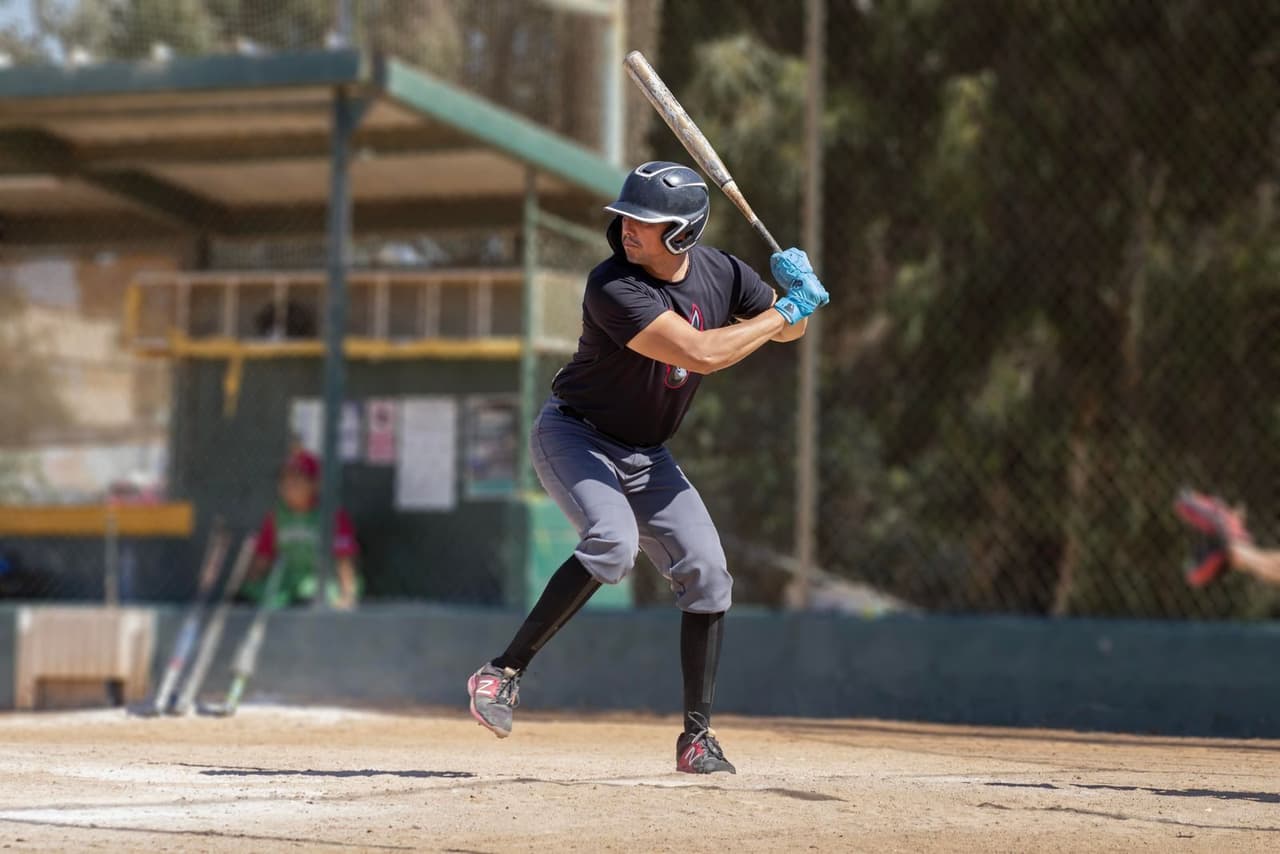
For as long as most coaches can remember, high school baseball has had exactly one bat rule: a BBCOR -3, take it or leave it. Every player on your roster, whether they were a 200-pound senior or a 130-pound freshman, swung the same drop. That is about to change, and it is one of the bigger equipment shifts youth and high school baseball has seen in years.
The NFHS has adopted a rule that lets high school players choose between the renamed USA BBCOR -3 and a USABat -4, -5, or -6. In plain terms: your hitters will soon get to pick a bat that fits them instead of forcing everyone into the same heavy drop. Here is exactly what changed, when it kicks in, and what you should tell the parents who are already asking about it.

What the Rule Actually Changed
Two things happened at once, and they are easy to mix up.
First, USA Baseball took over the performance standard that used to be called BBCOR and renamed it USA BBCOR. If you are staring at the letters wondering whether your bats just became obsolete, relax. This is a naming and oversight change. The performance limit, the wood-like standard your -3 already meets, is the same.
Second, and this is the part that matters for your lineup, the NFHS added the USABat -4, -5, and -6 as legal options for high school play. So starting in 2028, a legal high school bat is any of the following: a USA BBCOR -3, or a USABat -4, -5, or -6. Four choices where there used to be one.
Every one of those bats meets the same performance standard, which is the part most people get wrong. More on that below.
The change comes from the NFHS Baseball Rules Committee and USA Baseball, which now oversees the standard (USA Baseball's announcement).
The Timeline: What's Legal Right Now
This is where coaches need to be careful, because the rule is coming but it is not here yet.
- 2026 and 2027 seasons: High school baseball still requires a BBCOR -3 bat. Nothing changes on the field yet.
- Around July 2027: Bats carrying the new USA BBCOR mark and the USABat -4, -5, and -6 marks are expected to start showing up in stores.
- 2028 season: The -4, -5, and -6 options become legal for high school play. This is the first season your players can actually choose.
Here it is at a glance:
| Season | Legal high school bats |
|---|---|
| 2026 - 2027 | BBCOR -3 only |
| 2028 and on | USA BBCOR -3, or USABat -4, -5, or -6 |
And one more important note: bats that carry today's BBCOR certification stay legal indefinitely. No family has to run out and buy anything. If your senior loves the -3 they already swing, they keep swinging it.
Why They Made the Change
If you have coached long enough, you have seen this exact scene. A kid rakes in travel ball or middle school swinging a lighter USSSA or USA bat, then shows up as a high school freshman, gets handed a -3, and suddenly cannot get around on a fastball. Their bat speed drops, their contact falls apart, they stop having fun, and some of them quit.
That is the problem this rule is trying to solve. The jump to a -3 is a real strength barrier, and it hits developing players at exactly the age when a lot of them are deciding whether baseball is still their sport. Giving those players a -4, -5, or -6 lets them keep swinging a bat they can control while they grow into their frame and build the strength to eventually handle a -3. The goal is simple: keep more kids hitting well, and keep more kids in the game.
The Myth: A Lighter Bat Does Not Hit Softer
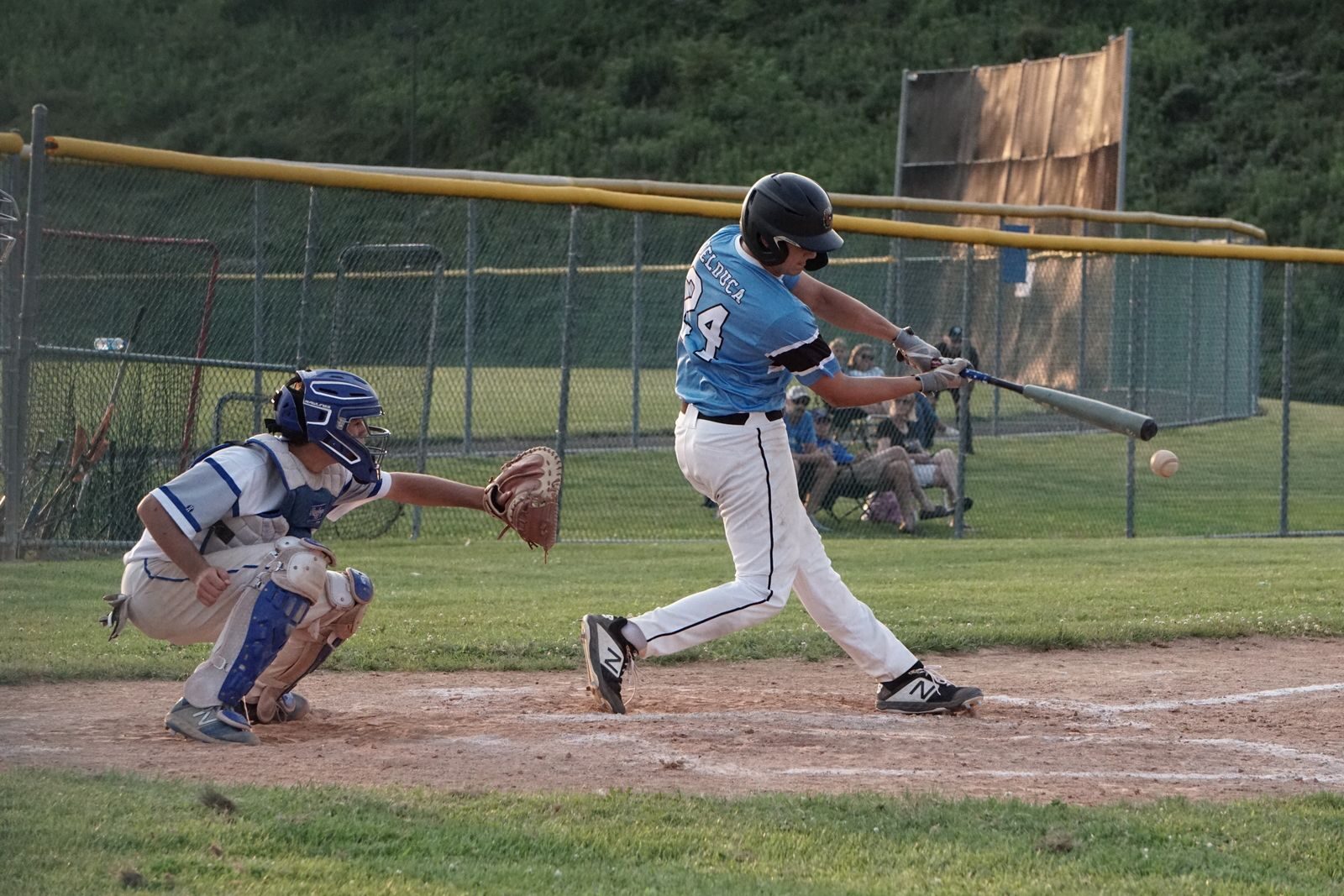
This is the first thing a parent will worry about, so get ahead of it. A -5 does not hit the ball softer than a -3, and it is not a cheat code that hits it harder either.
Here is why. All four drops meet the same wood-like performance limit, so the barrel itself is equally lively. What changes is the weight of the bat, and weight cuts both ways. A heavier bat carries more mass into the ball, which can add a touch of exit velocity on perfect contact. But a heavier bat is also harder to swing fast, and for most hitters, bat speed matters more than mass. A lighter bat a player can truly whip through the zone often produces the same exit velocity, with better contact and fewer weak, late swings.
In other words, the "best" drop is not the heaviest or the lightest. It is the heaviest bat a given hitter can swing efficiently without giving up bat speed or contact. That is a different answer for a 135-pound sophomore than it is for a 190-pound senior, which is the whole point of the rule.
How to Help Each Player Pick a Drop
You do not need to overthink this, and you definitely should not solve it with a chart alone. Use height and weight to get a starting point, then let the player settle it off a tee.
We built a free High School Bat Drop Advisor that does exactly this: enter height and weight, answer one honest question about whether the player can catch up to velocity, and it hands you a starting drop plus a simple field test to confirm it. For younger players who are still sorting out bat length, start with the bat size calculator, and if you want to put real numbers behind the tee test, our exit velocity calculator turns bat speed and pitch speed into expected exit velo.
The field test itself is short:
- Hit 8 to 10 balls off a tee with each drop you can borrow. Log exit velocity if you have a sensor or radar.
- Pick the bat where your best swings come off hot and your mishits are not disasters.
- Move to a machine or live arm set to the hardest velocity you actually see in games.
- If you cannot catch up to that top velocity, drop one step lighter. If you are early and driving it, try one step heavier.
Re-check every few weeks. As a player gets stronger, the same test will start pointing them back toward a -3, which is exactly where you want them by the time they are thinking about college ball.
The Bottom Line for Coaches
This rule is good news. It does not make anyone's bat illegal, it does not change how hot the ball comes off, and it gives you a real tool to keep developing hitters productive and engaged. Between now and 2028, the main thing to do is get educated so you can answer the parent questions that are already coming, and start thinking about which of your players would actually hit better with a little less bat.
When 2028 arrives, you will not be scrambling. You will already know that the right drop is a feel thing, that the tee test settles it, and that your job is to help each hitter find the heaviest bat they can swing fast. Bookmark the bat drop advisor, and check your league and state association's exact adoption language as the season gets closer, since implementation dates can vary by state.
FAQ
Q: Will college baseball allow -4, -5, and -6 bats too? A: No. College baseball (NCAA and NAIA) still uses the -3 standard. The lighter drops are a high school and youth development bridge. A player should be comfortable swinging a -3 before they get to the college level.
Q: How do I know if my player should drop below a -3? A: Watch their bat speed and their timing against real velocity. If they are consistently late, fouling fastballs straight back, and losing bat speed with the -3, a -4 or -5 will likely help. If they are on time and driving the ball, keep them at -3. The bat drop advisor walks you through it.
Q: Do the lighter bats need a different certification stamp? A: Yes. The -4, -5, and -6 options carry the USABat mark, while the -3 will carry the USA BBCOR mark. Always check the stamp on the bat against what your league and state association require for the season you are playing.
About the Author
Youth and high school baseball coaches focused on player development, fair playing time, and helping coaches make better decisions.
Related Resources
Related Terms
Tags
Find the Right Bat Drop
Use our free High School Bat Drop Advisor to get a starting drop from height and weight, then a tee-and-velocity field test to settle it.
Try the Bat Drop Advisor