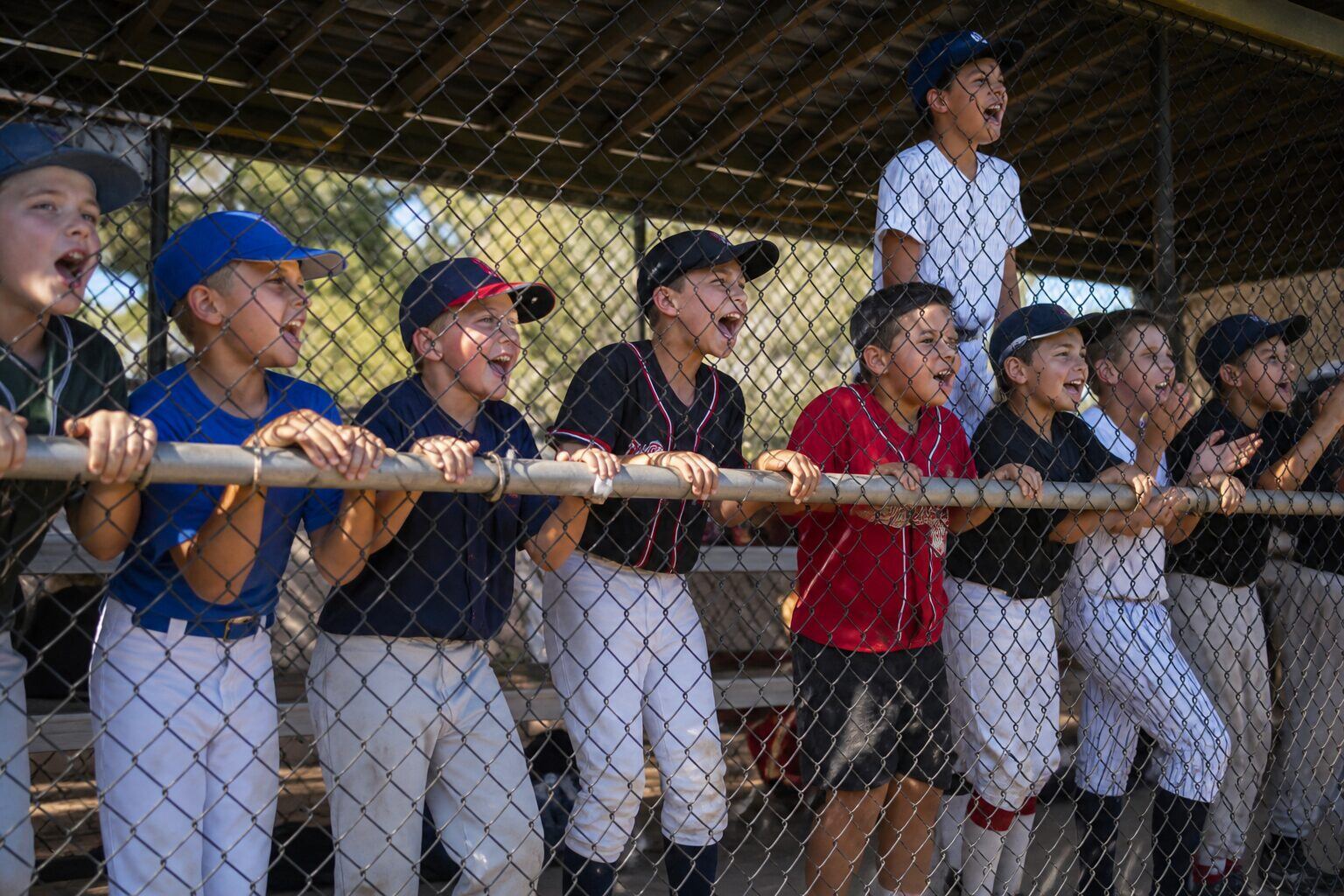
Baseball & Softball Cheers and Chants
Cheers can help a team, but they are not the center of team culture. Dugout energy matters most when it reinforces attention, confidence, and support for teammates.
Best use of cheers
- Keep them short, positive, and easy for every player to join
- Use them to lift teammates, not distract opponents
- Choose 2 or 3 dependable cheers instead of a giant catalog
- Build culture through routines and respect first, then add cheers
What Builds Real Team Culture
Players remember the environment more than the chant list.
Real team culture usually comes from:
- Coaches who stay calm after mistakes
- Teammates who celebrate effort and improvement
- Clear routines before and after practice
- Language that stays respectful toward opponents and umpires
- Roles that include every player, not just the loudest ones
Cheers support culture when they fit those habits. They hurt culture when they become forced, negative, or performative.
When Cheers Actually Help
Use cheers in moments that strengthen connection:
- Start-of-practice huddle
- End-of-practice break
- Support for a nervous hitter
- Dugout response after hustle plays
- Positive reset after an error or rough inning
Simple Positive Cheers
Pick a few that every player can remember and say clearly.
Practice huddle
Coach: "Hands in."
Team: "1, 2, 3. [TEAM NAME]!"
Batter support
"Let's go, [NAME]!" clap clap, clap-clap-clap
Defense support
"We got your back!"
End-of-practice reset
Coach: "What did we get better at?"
Players: One-word answers, then team break.
These work because they are short, easy, and inclusive.
Keep the Dugout Positive
Do
- Cheer for your own team
- Let quieter players join without pressure to lead
- Keep the tone encouraging
- Stop the dugout if the energy becomes chaotic
Do not
- Taunt opponents
- Mock umpires
- Try to distract hitters during the swing
- Turn cheers into punishment for players who are shy
Age-Based Guidance
| Age | Best approach |
|---|---|
| 4-6 | One or two action-based cheers |
| 7-8 | Short call-and-response routines |
| 9-10 | Simple player-led cheers plus dugout support |
| 11-12 | Player ownership with coach-set standards |
| 13+ | Minimal coach direction, strong sportsmanship standards |
Younger teams usually need structure. Older teams usually need boundaries and ownership.
Better Traditions Than a Long Chant List
If you want stronger team culture, start here:
- Every player says one thing they improved today.
- Captains or rotating leaders close practice.
- Teammates give one positive shoutout after scrimmage.
- Coaches model respectful postgame behavior every time.
Those habits build connection faster than adding ten new chants.
Coach Checklist
- Do we have 2 or 3 cheers the whole team can use?
- Are they positive and sportsmanlike?
- Do they help players focus, not just get louder?
- Are all players included?