Best Batting Gloves for Youth Players: Prices, Sizing and Durability Compared
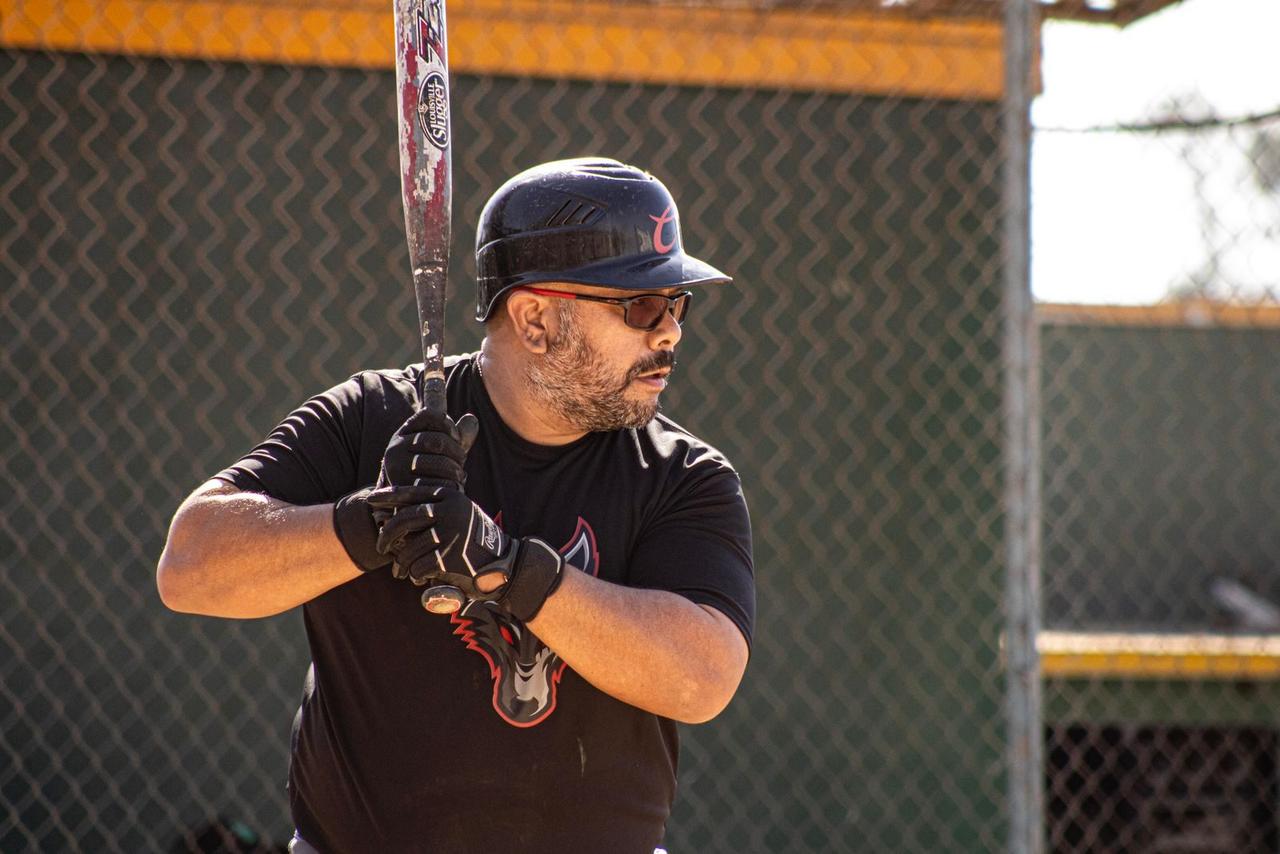
Batting gloves are the piece of gear parents buy most often and think about least. They look simple, they cost anywhere from $19 to $110, and they wear out faster than almost anything else in the bag.
This guide compares nine youth gloves across three price levels, including two built for fastpitch softball. Every price below came from the retailer listing when we checked it, and specs come from the manufacturer's own product page. Prices move, so treat them as a guide.
The short answer: the best youth batting glove is the Bruce Bolt Original Series, with a doubled leather palm and the feel older hitters notice. For fastpitch, the Easton Ghost Ethos. For a younger kid who will outgrow a pair by summer, the Franklin CFX Pro is the value pick.
Disclosure: This article contains affiliate links. If you buy through them, Dugout Edge may earn a small commission at no extra cost to you.
Also see: Best Youth Baseball Gloves | Best Youth Batting Helmets
What to Look For in Youth Batting Gloves
- Fit first. A glove that is too big bunches behind the knuckles and wears through at the fingertips. A glove that is too small rips at the seams. Use the size chart below before you buy.
- Leather palm. Every glove on this list has a leather palm. Cabretta (sheepskin) feels soft and thin. Goatskin and cowhide feel tougher. A one-piece palm has fewer seams to split.
- Reinforcement where it wears. Look for a second layer of leather at the palm and thumb. That is where a kid's slides and grip wear through.
- Wrist strap. The strap takes a lot of pulling. A wide neoprene or elastic strap tends to hold up better than a thin one.
- Price you can repeat. Batting gloves are a yearly cost, not a one-time buy. Pick a price you are fine paying again next spring.
Quick Comparison
| # | Glove | Price | Palm | Best For |
|---|---|---|---|---|
| 1 | Bruce Bolt Original Series Youth | $65.00 | 0.9mm Cabretta, double layer | Older players who care about feel |
| 2 | Easton Ghost Ethos Youth/Girls | $44.99 | Full-grain leather, one piece | Fastpitch players |
| 3 | Franklin CFX FP Women's | $39.99 | Leather | Fastpitch and slowpitch |
| 4 | Franklin CFX Pro Youth | $38.65 | Leather, one piece | Most kids, baseball or softball |
| 5 | Rawlings Youth Workhorse | $37.99 | Leather, second layer in wear areas | Kids who are hard on gloves |
| 6 | Mizuno Finch Padded Softball | $29.99 | Padded, nonslip | Softball on a budget |
| 7 | Franklin Shok-Sorb X Youth | $27.10 | Padded leather | Cold-weather sting |
| 8 | Warstic Workman3 | $19.00 | Goatskin, reinforced | Budget pick that parents say lasts |
| 9 | Franklin Grow to Pro | $19.99 | Cabretta | Tee ball and coach pitch |
We're thinking about making batting gloves that last a season
Most families replace batting gloves every few months. If we make a pair built to last, you get first look.
Nothing to buy yet. One email when there's something to show you. Unsubscribe anytime.
The 9 Best Youth Batting Gloves
1. Bruce Bolt Original Series Youth Batting Gloves
Our Pick: Best overall, the glove kids ask for by name

Bruce Bolt is the batting glove kids ask for by name. The brand earned that by selling a premium glove: handmade, with a 0.9mm Cabretta leather palm that is doubled up, heavy-duty lycra between the fingers, and inverse stitching. Bruce Bolt says the palm does not get hard or crunchy, and the feel is the main reason older hitters pay for it.
The short cuff youth pair runs $65. The long cuff version, which wraps higher on the wrist, is $85 on Amazon. Parents on r/Homeplate report that Bruce Bolts still wear out in about six months for a kid who plays year round. Buy them for the feel, not because you expect them to last twice as long.
Price: $65.00
2. Easton Ghost Ethos Youth/Girls Fastpitch Batting Gloves

The Ghost name carries a lot of weight in fastpitch, and Easton built this glove for the same players. It uses female-specific sizing, a thick tackified full-grain leather palm in one piece, and an air mesh back. The neoprene cuff extends up the thumb for a snug feel at the wrist.
If your daughter swims in a boys' youth glove through the fingers, a fastpitch cut like this one usually fixes it.
Price: $44.99
3. Franklin CFX FP Women's Softball Batting Gloves

This is the fastpitch version of the CFX Pro. Franklin sizes it to women's hands and calls it the official batting glove of USA Softball. It uses the same premium leather as the baseball model and is sold for fastpitch and slowpitch.
For an older softball player who wants the CFX feel in a better fit, this is the pick.
Price: $39.99
4. Franklin CFX Pro Youth Batting Gloves

The CFX Pro is the glove a lot of kids ask for first. Franklin calls it the official batting glove of MLB and says it is the most popular batting glove MLB players wear on the field. The youth version uses the same premium leather and Franklin's Quad-Flex design, which is meant to bend with the palm and cut down on bunching. It is sold for both baseball and softball, and it comes in several colorways, so a kid can often match the team.
At under $40 it sits in the middle of the market. That is the right spot for a glove you will probably buy again next year.
Price: $38.65
5. Rawlings Youth Workhorse Batting Gloves

The Workhorse is the name that comes up when parents on r/Homeplate talk about gloves that last. Rawlings builds it with Oiltac leather and adds a second layer of leather in the wear areas, which is exactly where most youth gloves fail. The cuff and thumb are one piece of neoprene, and the edges are double stitched and rolled.
If your kid goes through gloves fast, this is the first upgrade to try. There is also a Youth Workhorse with a wider compression strap for about $50 if your player likes a tighter wrist.
Price: $37.99
6. Mizuno Finch Padded Softball Batting Gloves

This padded softball glove is the budget fastpitch option on the list. It has a padded ShockPalm to soak up vibration, a nonslip palm, a FlexMesh back and a neoprene wristband with a quick-adjust strap. Check the size list on the listing before you order, since it is cut for softball players rather than as a youth baseball glove.
Price: $29.99
7. Franklin Shok-Sorb X Youth Batting Gloves

Every spring has a few cold games where a mishit stings all the way to the elbow. The Shok-Sorb X has a padded palm built for that. It also has a leather palm, mesh vents on the back of the hand, and Franklin's curved fit.
This is a good pick for a kid who flinches after jammed swings, or for early-season leagues in cold places.
Price: $27.10
8. Warstic Workman3 Batting Gloves

The Workman is the other glove parents name for durability, and it costs half of what the Workhorse does. The palm and thumbs are reinforced goatskin, the back is lightweight polyester for airflow, and a long stretch wrist band wraps for support. Warstic sells it in both youth and adult sizes.
For a family buying two or three pairs a year, this is the one that keeps the cost sane.
Price: $19.00
9. Franklin Grow to Pro Batting Gloves

Small hands are hard to fit, and they grow mid-season. The Grow to Pro has a flex zone at the base of the palm that Franklin says lets the glove adjust as a kid's hands grow from tee ball into kid pitch. It comes down to Youth XX Small, has a textured palm for grip, and uses Cabretta leather.
For a 5 or 6 year old, this is all the glove they need. Most of them just want to look like the big kids.
Price: $19.99
Batting Glove Size Chart
Batting gloves are sized by hand length. To measure:
- Have your player lay the hand flat with the fingers together and extended.
- Measure from the top of the wrist, where it meets the hand, to the tip of the middle finger.
- Measure both hands and use the larger number.
This is Tater Baseball's published batting glove size chart. Other brands are close but not identical, so check the chart on the listing you buy.
| Size | Hand length (inches) |
|---|---|
| Youth Small | 6 to 6 1/4 |
| Youth Medium | 6 1/4 to 6 1/2 |
| Youth Large | 6 1/2 to 6 3/4 |
| Youth XL | 6 3/4 to 7 |
| Adult Small | 7 to 7 1/4 |
| Adult Medium | 7 1/4 to 7 1/2 |
| Adult Large | 7 1/2 to 7 3/4 |
| Adult XL | 7 3/4 to 8 |
| Adult XXL | 8 to 8 1/4 |
Tater's fit advice: between sizes, size down, because leather breaks in and a pair that feels roomy new will be loose in a month. The one exception it names is a growing youth player in the middle of a season, who should take the larger size. A good fit has no slack behind the knuckles and no loose material at the fingertips, since a loose fingertip is where a glove wears through first.
How Long Batting Gloves Last (and Why)
Parents on r/Homeplate are blunt about this. Batting gloves need to be accepted as an annual cost. Kids who play year round go through a pair about every six months, and that includes Bruce Bolts. One parent called most of them "WAY over priced" and said durability and comfort are the only things that matter.
The rips show up in the same three places:
- Fingertips. Usually from a glove that is a little too big, so the leather rubs at the tip.
- Wrist strap. It gets pulled tight and ripped open every at-bat, hundreds of times a season.
- Palm. Kids slide in their batting gloves, and the palm takes the dirt.
None of that is a defect. It is just what a season does to thin leather.
How to Make Batting Gloves Last
- Store them in a zip bag. Parents say this keeps them from drying out and getting crusty in the bottom of the bag. Let them air out first if they are soaked.
- Get the size right. A snug glove wears slower at the fingertips than a loose one.
- Keep a cage pair and a game pair. Cage work and tee work are most of the swings a kid takes. A cheap pair for the cage saves the good pair for games.
- Think about the slides. Sliding in batting gloves is what parents say tears up palms. Some players tuck them in a back pocket after reaching base, and some wear sliding mitts instead.
- Open and close the strap gently. Ripping it open after every pitch wears the hook and loop out early.
Which Is Right for Your Player?
- Tee ball and coach pitch (ages 4 to 8): Franklin Grow to Pro. Cheap, small enough, and it grows a little with them.
- Most rec and kid-pitch players: Franklin CFX Pro or Warstic Workman3. Pick on price and color.
- Hard on gear: Rawlings Youth Workhorse.
- Cold early-season leagues: Franklin Shok-Sorb X.
- Fastpitch: Easton Ghost Ethos for younger players, Franklin CFX FP for older ones, Mizuno Finch on a budget.
- Older players who have stopped growing: Bruce Bolt, if they will notice the feel and you are fine replacing them on the same schedule as the others.
If you are already shopping for the rest of the bag, see our guides to youth fielding gloves and catcher's gear sets.
Frequently Asked Questions
How long do youth batting gloves last?
Plan on buying at least one pair a year. Parents of kids who play year round report going through a pair about every six months, and that includes premium gloves like Bruce Bolt. The fingertips, the wrist strap and the palm are where they wear through.
What size batting gloves does my kid need?
Measure from the top of the wrist, where it meets the hand, to the tip of the middle finger. On Tater's published chart, 6 to 6 1/4 inches is a Youth Small and 6 3/4 to 7 inches is a Youth XL. Every brand runs a little differently, so check the chart on the listing you buy from.
Are Bruce Bolt batting gloves worth it for a kid?
For a player who swings a lot and cares about the feel, yes. A youth pair costs $65 to $85, and the doubled leather palm is the main difference. Parents report they still wear out with year-round play, so for a young kid who outgrows gloves fast, a $35 to $40 pair is the better buy.
Can a softball player use baseball batting gloves?
Yes. Many gloves, including the Franklin CFX Pro, are sold for both. Fastpitch gloves like the Easton Ghost Ethos and Franklin CFX FP are sized for women's and girls' hands, which tends to fit a softball player better through the fingers.
Do kids need batting gloves at all?
No. Batting gloves are optional. They help with grip and sting on cold days and protect the hands during cage work, but plenty of good hitters swing bare handed. If your kid hates them, let them hit without.
Before you buy anything, grab a tape measure and measure your player's hand tonight. The right size matters more than the brand name on the strap.
About the Author
Former Stanford baseball player and professional in the Seattle Mariners organization. 7 years in professional data analytics. Founder of Dugout Edge.
Tags
Build a Hitting Practice Around Your Gear
Plan a full practice with machine, tee and net stations, pick drills from the drill library, and print the plan. Takes about 5 minutes.
Open the Practice Planner