Baseball Warm-Up and Agility Drills for Youth Practice
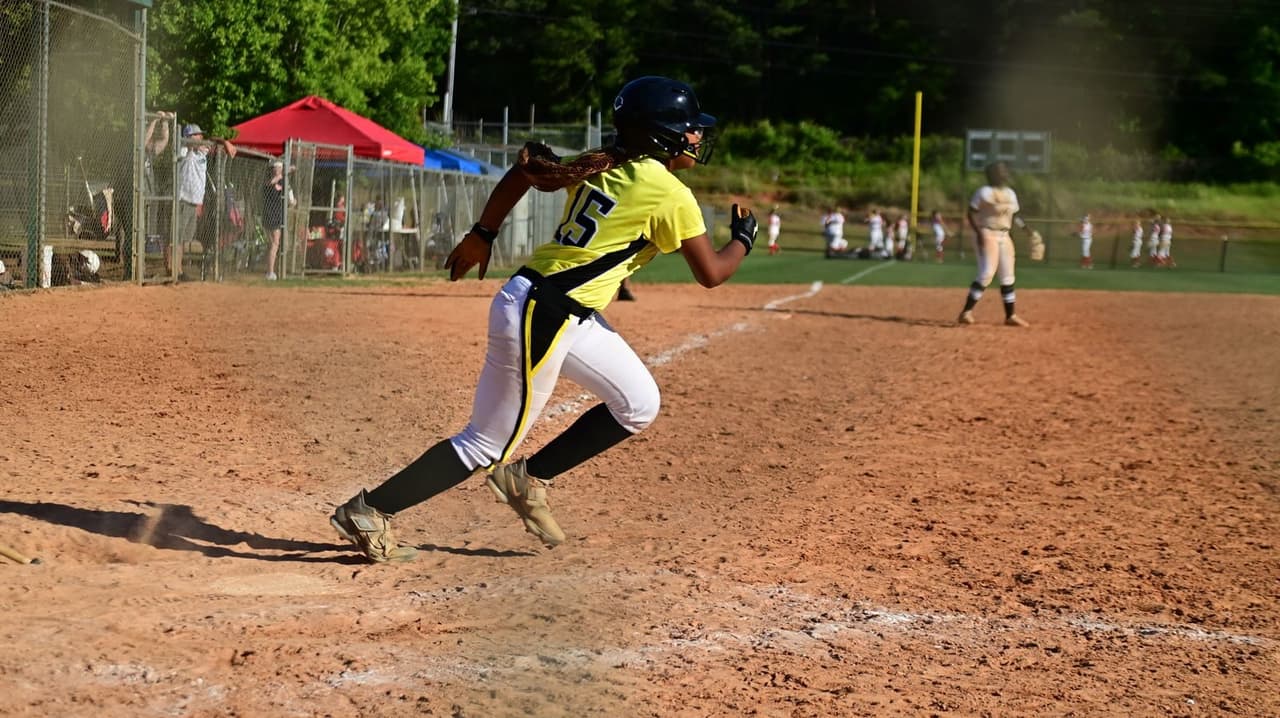
The first ten minutes of practice decide the next ninety. Get the kids moving, loose, and switched on, and everything after runs sharper. Let them wander out, throw hard while their arms are cold, and chase each other around the outfield, and you spend the rest of practice pulling them back. A warm-up is not filler before the real work. It is the real work starting on time.
This is a warm-up you can run today, plus the agility and base running drills that fit right into it. Every drill has a timing and a coaching cue, so you know what good looks like. When you are ready to stop planning practice on a napkin, drop these into a full session with our free practice planner, or pull fresh ideas any time from the drill library.
Quick answer: Run a ten to fifteen minute warm-up in three parts: easy movement, a dynamic sequence (high knees, lunges, leg swings, shuffles), and progressive throwing. Then layer in short agility bursts and a base running rep or two. Keep groups small so nobody stands in line.
A ten-minute dynamic warm-up
Static stretching in a circle does almost nothing to get a young arm ready. A dynamic warm-up does: it raises heart rate, opens the hips and shoulders, and wakes up the fast-twitch movement baseball actually uses. Run this down the outfield line, out and back, in waves so kids are moving the whole time.
| Segment | Time | What it does | Coaching cue |
|---|---|---|---|
| Easy jog, out and back | 2 min | Raises heart rate | "Chatter, not racing. Save it." |
| Arm circles, forward and back | 1 min | Loosens shoulders | "Small to big, control the circle." |
| High knees and butt kicks | 1 min | Wakes up the legs | "Tall posture, quick feet." |
| Walking lunges with a twist | 2 min | Opens hips | "Back knee low, chest up." |
| Leg swings, front and side | 1 min | Loosens hips and hamstrings | "Hold something, controlled swing." |
| Lateral shuffle down the line | 1 min | Preps change of direction | "Low, don't click your heels." |
| Progressive throwing | 2 to 3 min | Readies arms to game distance | "Start short and easy. Build out." |
The throwing progression at the end is the part most youth teams skip and the part that saves arms. Start partners close and easy, then take a step back every few throws until they reach game distance. Nobody airs it out on the first throw.
Agility drills that fit baseball
Baseball is not a distance sport. It is a series of short, hard bursts with a clear start signal: the crack of the bat, the coach's point, the read off the pitcher. Train that, not laps. These take three to five minutes each and work as warm-up finishers or their own short block.
- Shuffle and go. Player shuffles laterally between two cones five feet apart. On the coach's point, they break and sprint through a third cone. Cue: stay low through the shuffle, explode on the read. Trains the first step a fielder makes on a ground ball.
- First-step reaction. Player stands in an athletic ready position facing the coach. The coach points left, right, or back, and the player takes one hard crossover step that direction, then resets. Cue: react with the feet, not the head. Ten fast reps, then rotate.
- Four-cone box. Set four cones in a five-yard square. Player sprints forward, shuffles right, backpedals, shuffles left. Cue: sharp corners, no rounding. Builds the change-of-direction that outfield routes and rundowns demand.
Add a clock or a score the moment energy dips. Beat-your-last-time or first-to-five keeps effort high without you having to nag.
Base running drills
Base running is the cheapest offense in youth baseball. Kids who run the bases well score runs their bats did not earn. Fold a couple of these into the warm-up or run a short dedicated block. Keep groups of three to four so nobody waits.
- Home to first, through the bag. Sprint from the box and run through first, not to it. Cue: hit the front of the bag, break down after. The most common youth mistake is slowing down to step on the base.
- Rounding first. Take a small banana turn into the baseline a few steps before the bag, touch the inside corner, and pick up the ball. Cue: touch with either foot, eyes to the outfield.
- Secondary lead read. Runner on second takes a walking secondary lead as the pitch crosses, then reads a ground ball down or a fly ball up. Cue: shuffle on the pitch, read the ball off the bat. This is the habit that turns a single into a run.
These double as tryout drills when you need a fast read on a new group. A home-to-first sprint and a first-step reaction rep tell you more about a player's baseball speed in two minutes than a stopwatch on a straight sprint ever will.
Fit it into your practice plan
A warm-up you have to remember every time is a warm-up you eventually skip. Build it into the plan once and it runs itself. Drop this whole sequence into a time-blocked session with the practice planner, and pull new drills from the library whenever your kids need a change.
Dugout Edge Practice Planner
Build a Full Practice in 5 Minutes
Time-blocked schedules, 230+ drills, concurrent stations, and a printable PDF, all in one place.
Open the Practice PlannerThe takeaway
The warm-up is not the boring part before practice. It is where you buy back the next ninety minutes: loose arms that throw without pain, quick feet that make the first-step plays, and base runners who take the extra base. Run the ten-minute sequence, add a short agility burst and a base running rep, and build it into your plan so it happens every time without a second thought.
About the Author
Youth and high school baseball coaches focused on player development, fair playing time, and helping coaches run better practices.
Tags
Build Your Practice Plan Now
Use the Dugout Edge Practice Planner to build a time-blocked practice with drills, concurrent stations, and a printable PDF — in about 5 minutes.
Open the Practice Planner