The Youth Pitcher
Development Guide
Safe, Age-Appropriate Pitching Development for Ages 8-14
90+ pages covering when to start pitching, teaching delivery mechanics, pitch types by age, command development, pitch count rules, bullpen structure, common mistakes, and building a staff. 12 drills included.
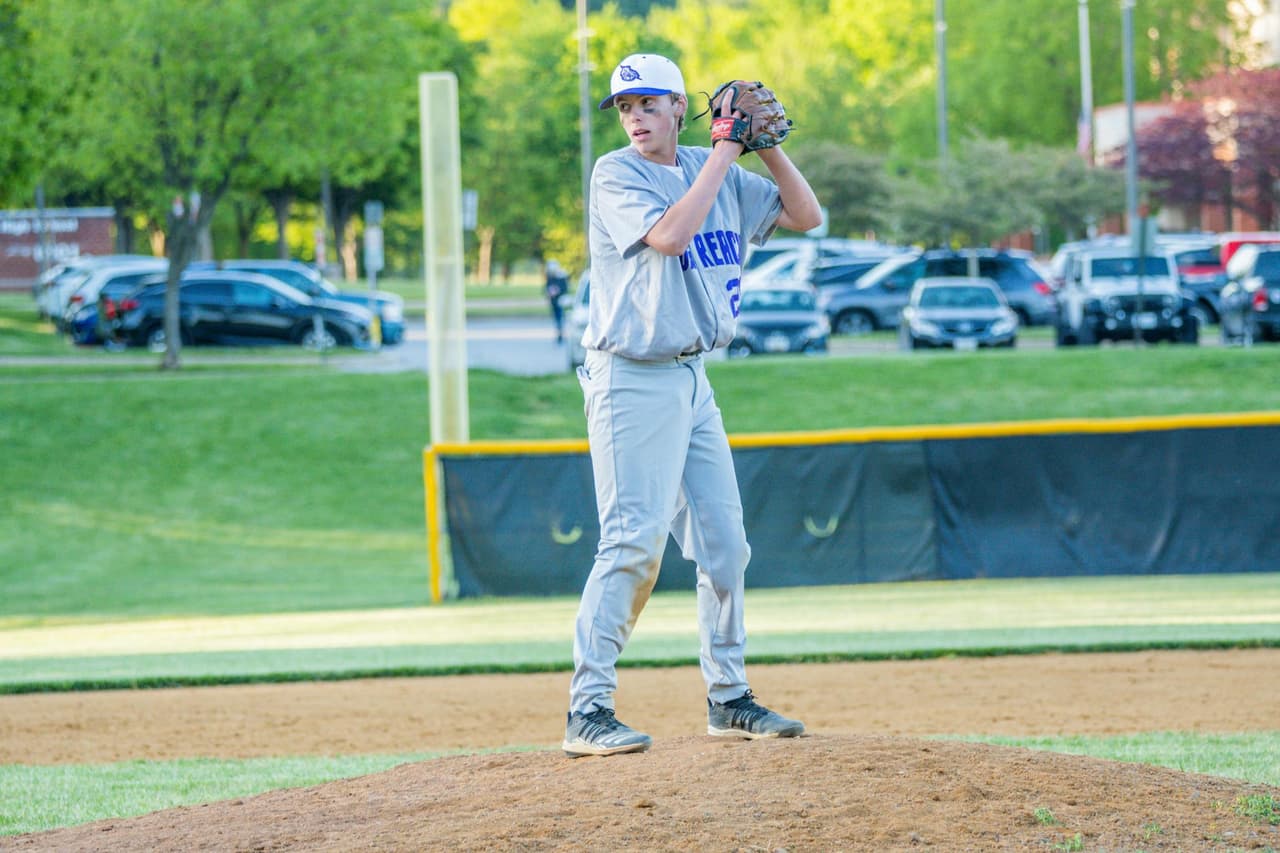

Youth Pitcher
Development
Guide
Ages 8-14
Teaching Mechanics, Arm
Care, and Development
for Young Pitchers
90+ Pages
Why This Guide
What Makes This Guide Different
Safety First Approach
Built on USA Baseball and ASMI guidelines for youth arm safety. Every recommendation prioritizes long-term arm health over short-term wins.
12 Development Drills
Age-appropriate drills for balance, arm path, release point, and command. Each drill includes when to introduce it and what age group it works best for.
Age-Specific Charts
Pitch count limits, rest requirements, and pitch type recommendations by age. Reference charts you can print and keep in the dugout all season.
Preview
Peek Inside the Guide
When to Introduce Each Pitch
- •Never rush pitch introductions for competitive advantage
- •A well-commanded fastball beats a poorly-thrown breaking ball
- •Watch for arm slot changes when new pitches are introduced
Every section follows the same clear format
- Age-by-age pitching development timeline from 8U through 14U
- Pitch count limits and rest charts you can print for the dugout
- Common youth pitching mistakes with visual cues and corrections
- Bullpen session templates for different ages and development stages
- How to build a pitching staff and manage workloads across a season
Full Table of Contents
What Is Inside
8 chapters covering safe, progressive youth pitcher development from the first pitch through building a complete pitching staff. Includes 12 drills and printable reference charts.
Physical and emotional readiness indicators for pitching. Why some 8-year-olds are ready and some 10-year-olds are not. The difference between throwing and pitching. How to introduce pitching without creating bad habits or injury risk.
Breaking the delivery into teachable phases: stance, leg lift, balance point, stride, arm path, release, and follow-through. Age-appropriate cues that kids actually understand. The 3 most important checkpoints for youth mechanics. What to teach first and what to save for later.
The evidence-based timeline for pitch introductions. Why the fastball and changeup should be the only pitches until age 13. How to teach the changeup grip without twisting. When and how to safely introduce a curveball. Why the slider and cutter should wait until high school.
The paradox of youth pitching: the kid who throws 50 with command beats the kid who throws 60 with none. Drills for developing command of the fastball. How to build a gameplan around locating pitches. When velocity development becomes appropriate.
Complete pitch count charts by age with rest requirements. How to track pitch counts during games. Managing workloads across a week and a season. The warning signs of overuse. What to do when a pitcher reaches the limit in a close game.
Bullpen templates for 8-10, 11-12, and 13-14 age groups. How many pitches per session, how often, and what to focus on. Game-week bullpen schedules. Using the bullpen for mechanical work vs. pitch sequencing. When to throw bullpens and when to rest.
Each mistake includes what it looks like, what causes it, why it matters for arm health, and 1-2 drills that fix it. Covers: rushing the delivery, opening early, short-arming, landing across the body, inconsistent release point, and more.
How to identify potential pitchers on your roster. Building a 4-5 pitcher rotation for youth teams. Managing pitch counts across multiple games per week. Developing pitcher confidence and handling bad outings. Long-term development over short-term wins.
Plus Appendices: Pitch Count Reference Charts, Rest Requirement Tables, Bullpen Session Templates, and Pitcher Development Checklist by Age.
Target Audience
Who This Guide Is For
Youth Baseball Coaches
- Responsible for developing pitchers on a youth team
- Want to build a pitching staff that stays healthy all season
- Need clear guidelines on pitch counts, rest, and pitch introductions
Parents of Young Pitchers
- Want to understand safe pitching practices and arm care
- Need to know when curveballs and breaking pitches are safe
- Looking for pitch count guidelines to protect their child
Our Approach
Development First. Arm Health Always.
Every recommendation in this guide follows USA Baseball and ASMI guidelines for youth pitcher safety. We believe in developing pitchers progressively, prioritizing command over velocity, and protecting young arms so they can keep pitching for years to come.
Common Questions
Frequently Asked Questions
What are the most important pitching mechanics to teach youth pitchers first?
The foundation is balance and direction. Before worrying about arm action or hip rotation, a young pitcher needs to be able to maintain a balanced load position and drive consistently toward home plate. Arm action should be simplified to "show the ball to second base" at the top, and landing should happen with a slightly closed front foot. These three cues cover the biggest mechanical issues in youth pitching and provide a base that more advanced instruction can layer onto.
How do I manage a youth pitching staff across a full season?
Track pitch counts for every outing, not just starts, and enforce mandatory rest days even when it is inconvenient. Rotate two or three pitchers across a week rather than overusing one arm. Build in a buffer before tournament weekends by resting primary pitchers two days before the event starts. The guide includes a seasonal workload management template designed for a typical 12-15 game youth season with 2-3 games per week at peak.
What causes youth pitchers to lose velocity mid-season?
The most common causes are accumulated fatigue from high workload without adequate recovery, mechanical breakdown from poor mechanics early in the season, and growth-related changes in feel and timing for players in growth spurts. Loss of velocity combined with elbow or shoulder pain is always a stop sign and requires medical evaluation. Loss of velocity without pain is usually a recovery issue. The guide includes a mid-season velocity check framework and a recovery protocol.
How do I teach a youth pitcher to throw to contact instead of trying to strikeout everyone?
The mindset shift is from "trick the hitter" to "make them hit it where my fielders are." This requires teaching pitch location as a skill, not just throwing strikes. Work on hitting the catcher glove at specific corners, not just in the zone. Use drills that reward ground balls and weak contact, not just swings and misses. The guide covers how to teach defensive pitching, including a pitch sequencing framework for 10U-12U that builds the habit of pitching to contact early.
Should a youth pitcher ever pitch through arm pain?
No. Arm pain during pitching is a signal to stop, not push through. Youth arms are more vulnerable than adult arms because growth plates are still open, and injuries to the growth plate (UCL, proximal humeral epiphysis) can have long-term consequences if ignored. Any arm pain that occurs during or after throwing should be evaluated by a sports medicine physician before the pitcher returns. The guide includes a clear pain/discomfort decision tree for coaches and parents.
What is the best way to develop command and control for a youth pitcher?
Command develops through target-focused throwing, not high-volume bullpen sessions. Set up a target (a taped zone on a net, a specific spot on the catcher mitt) and make every throw intentional. Reduce the mound distance for young pitchers who are struggling with consistent strikes so they can feel success and build muscle memory from accurate mechanics. The guide includes a command development drill progression from flat ground to game-distance throwing that works for players at every level.
Everything Included
Get the Free Guide
- 90+ pages of youth pitcher development instruction
- 12 age-appropriate pitching drills with full breakdowns
- Pitch count and rest requirement charts by age
- Pitch type introduction timeline (when to teach what)
- Bullpen session templates for different age groups
- Common mistakes with visual cues and corrections
- Pitching staff management strategies for the full season
This guide would cost $40+ as a pitching clinic.
Yours free. Just enter your email.
Download the Pitcher Development Guide
Enter your email and we will send the 90+ page PDF straight to your inbox.