Softball Pitch Speed Calculator
Convert Fastpitch Speeds Across All Mound Distances and Levels
10U (35 ft), 12U (40 ft), 14U / High School / College / Pro (43 ft) — ASA/USA, PGF, Triple Crown, NFHS, NCAA, NPF/WPF
Popular Fastpitch Speed Conversions
These conversions reflect equivalent reaction times for batters. Use the calculator below for any specific scenario.
Comparing fastpitch to MLB? Use the Softball to Baseball Pitch Speed Calculator →
Calculate Equivalent Pitch Speeds
What the Numbers Actually Mean
Reaction time thresholds tell the real story behind pitch speed at any distance.
Hittable with solid mechanics and timing. Batters who track spin well can make consistent contact in this window.
Very hard to hit for most youth batters. At this window, even mechanically sound hitters are reacting more than reading.
A genuine weapon at any level. College and pro hitters face this regularly — a youth pitcher hitting this threshold dominates any field.
Milestone Targets by Level
Using This Calculator to Track Progress
Clock your pitchers at the same mound distance at the start of each month, then run the number through this calculator to get an equivalent speed at the 43 ft standard distance. Tracking that equivalent speed over a season gives you a consistent benchmark even when your pitcher is still throwing from 35 or 40 feet.
When a 10U pitcher goes from 40 mph to 45 mph, that jump does not always land with parents. But showing them the equivalent speed at 43 ft jumped from 49 mph to 55 mph puts the development in a frame that makes sense. Context builds trust.
Track Your Pitcher's Speed
Accurate radar readings are the first step in understanding development. These are the top guns used by softball coaches and teams.
Affiliate links. We earn a commission at no extra cost to you.

Bushnell Velocity Speed Gun
The most popular entry-level radar gun for coaches. Point and shoot simplicity, accurate to +/- 1 mph. Works perfectly from behind the backstop at any mound distance.
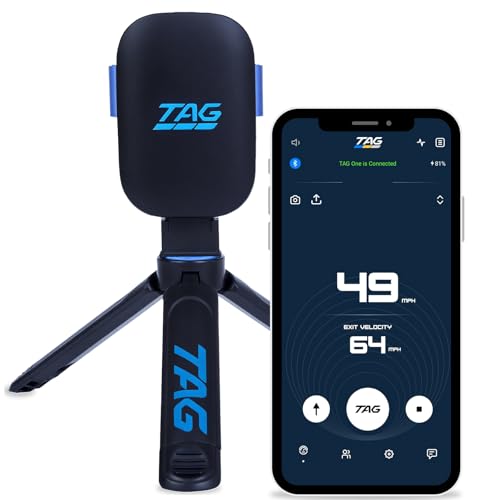
TAG ONE Sports Radar
Rechargeable battery lasts 6 hours. Works for softball and baseball. Compact design with a bright display readable in full sun.
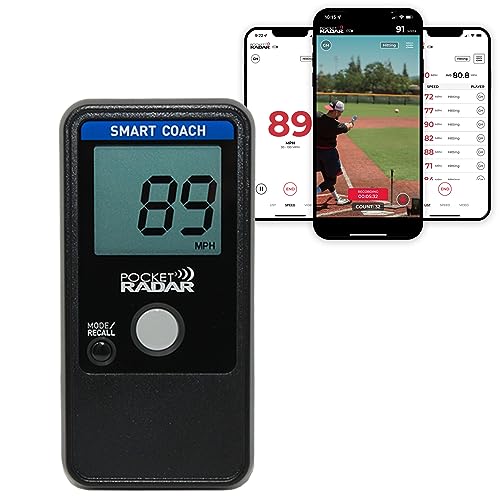
Pocket Radar Smart Coach
Used by college programs and professional scouts. Bluetooth syncs to the Pocket Radar app for session tracking. Fits in a pocket. The gold standard for serious velocity work.
Fastpitch Softball Mound Distances by Organization
Unlike baseball, which settles on a single mound distance (60 ft 6 in) for all levels above 14U, fastpitch softball uses three distances depending on age group. Understanding each one is essential for comparing pitch speeds across divisions and tracking development across levels.
| Organization | Division | Age | Mound Distance |
|---|---|---|---|
| ASA / USA Softball | 10U Fastpitch | 10 and under | 35 feet |
| ASA / USA Softball | 12U Fastpitch | 12 and under | 40 feet |
| ASA / USA Softball | 14U Fastpitch | 14 and under | 43 feet |
| ASA / USA Softball | 16U / 18U Fastpitch | 16-18 | 43 feet |
| PGF (Premier Girls) | Travel Ball | 10-18 | Age-appropriate |
| Triple Crown Sports | Travel Ball | 10-18 | Age-appropriate |
| NFHS | High School Fastpitch | 14-18 | 43 feet |
| NCAA | College Fastpitch (D1/D2/D3) | 18-23 | 43 feet |
| NPF / WPF | Professional Fastpitch | Professional | 43 feet |
The Three Fastpitch Distances
35 feet: The starting distance for 10U fastpitch. Short enough for young pitchers to develop the windmill motion with manageable effort.
40 feet: The 12U distance. The jump from 35 to 40 ft is the single biggest transition most fastpitch pitchers face — same speed reads differently to hitters.
43 feet: The standard distance from 14U through professional play. High school, NCAA, NPF, WPF, NFHS — all pitch from here. A pitcher who dominates at 43 ft has mastered the distance the game is played at for the rest of her career.
Why Softball Is Harder to Hit Than the Numbers Suggest
A 65 mph fastpitch from 43 feet gives a batter roughly 0.45 seconds of reaction time. A baseball pitcher throwing 65 mph from 60 ft 6 in gives a batter about 0.63 seconds. The softball batter has 30 percent less time to decide and swing — from a pitch that the radar gun reads as identical.
The windmill delivery adds another layer. Because the pitcher releases the ball from a low angle with a full arm circle, the movement profile and release point look different from any overhead pitch. Batters have fewer reference points to time their swing, which compounds the already compressed reaction window.
This is why a college softball ace throwing 68 mph is genuinely as difficult to hit as a college baseball pitcher at 90 mph. The reaction times are comparable. Run those numbers through the calculator above and see for yourself.
Frequently Asked Questions
Why is the 12U to 14U jump so hard for pitchers?
Moving from 40 ft (12U) to 43 ft (14U) sounds small — 3 feet. But the reaction time change is significant for batters who have spent two seasons adjusting to the shorter distance. For pitchers, the extra distance means they need to generate more power through their hips and legs to maintain the same equivalent speed. A pitcher who threw 55 mph at 40 ft needs to hit about 59 mph at 43 ft to present the same challenge to hitters.
How does softball pitch speed compare to baseball pitch speed?
The shorter mound distance is the key. A 65 mph pitch from 43 feet gives batters roughly the same reaction time as a 91 mph pitch from 60 ft 6 in. This is why you cannot compare raw radar gun numbers between the two sports. The reaction time calculation — distance divided by speed — is the right way to make the comparison, and the calculator above does exactly that.
What is a good pitch speed for a 10U fastpitch pitcher?
At 10U throwing from 35 ft, the competitive range is 35-45 mph. Clearing 45 mph puts a pitcher in the upper tier for that age group. Focus first on consistent mechanics, strike-throwing, and control over the circle change and rise ball — velocity builds naturally with strength and repetition.
How accurate is this calculator for softball?
The calculator uses basic physics — distance divided by speed equals reaction time — and applies that formula to any two mound distances you enter. It accurately represents the time a batter has to react before the pitch crosses the plate. Real-world hitting involves pitch movement, batter timing, and release point variation, so use it as a comparison tool rather than an absolute measure of difficulty.
Ready to Throw Harder? Get the Free Guide.
The Fastpitch Pitcher Development Guide covers windmill mechanics, spin rate, off-speed development, and a complete training plan for pitchers at every level.
More Tools for Softball Coaches
Use our other free tools to run your team more efficiently.
This page contains affiliate links. We may earn a commission at no extra cost to you.